leave a message

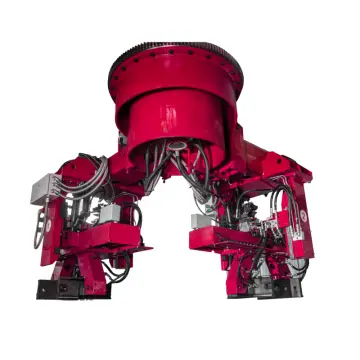
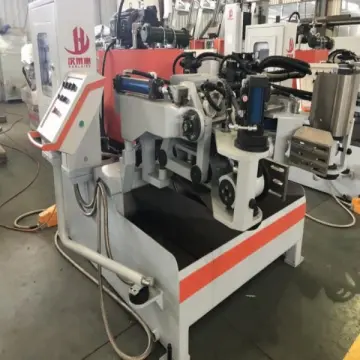
Automated Polishing System For Faucet Casting Grinding Polishing Solution

Precision Engineering & Robotic Excellence for High-Volume Sanitary Ware and Brass Casting Manufacturing

The Global Industry Shift to Automated Polishing Systems for Faucet Castings

In the modern sanitary ware manufacturing landscape, the quality of surface finishing is the ultimate differentiator. Faucets, bathroom mixers, and shower valves are high-touch, highly visible luxury items that demand a flawless, mirror-like finish. Historically, achieving this level of perfection relied heavily on manual grinding and polishing. However, the industry is undergoing a massive transformation. Driven by labor shortages, rising operational costs, strict environmental regulations, and the need for absolute product consistency, manufacturers are rapidly adopting the Automated Polishing System For Faucet Casting Grinding Polishing Solution.

Faucet castings, typically made from brass, zinc alloys, or stainless steel, present unique challenges during the post-casting phase. Gravity die casting and low-pressure die casting processes inevitably leave behind parting lines, gates, risers, and surface roughness. Removing these defects and preparing the surface for electroplating or PVD coating requires highly precise and repetitive processing. Robotic automation has emerged as the definitive solution, offering unmatched precision, safety, and productivity.

Why Manual Faucet Grinding is No Longer Sustainable

For decades, sanitary ware factories relied on skilled workers holding heavy brass castings against high-speed grinding belts and buffing wheels. This manual approach has severe limitations:

  • Occupational Hazards: Faucet grinding generates heavy metal dust (such as brass and zinc) and fine fibers from buffing wheels. Prolonged exposure leads to severe respiratory illnesses like pneumoconiosis. Additionally, the vibration and repetitive motions cause long-term musculoskeletal disorders in workers.
  • Inconsistent Quality: Human fatigue is inevitable. A worker's performance at the end of an 8-hour shift is vastly different from the start. This leads to high rejection rates prior to electroplating, wasting raw materials and energy.
  • High Labor Turnover: Younger generations are increasingly unwilling to work in hot, dusty, and physically demanding foundry environments. Recruiting and retaining skilled polishers is now one of the biggest bottlenecks for global faucet manufacturers.

Comprehensive Analysis of the Automated Faucet Grinding and Polishing Solution

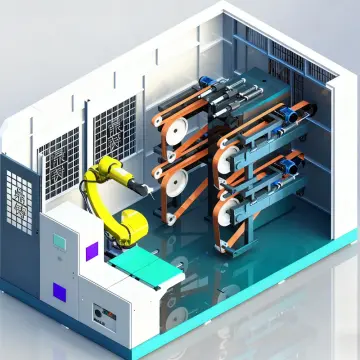
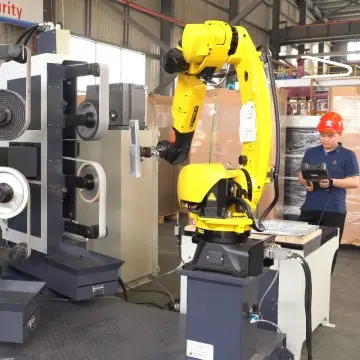
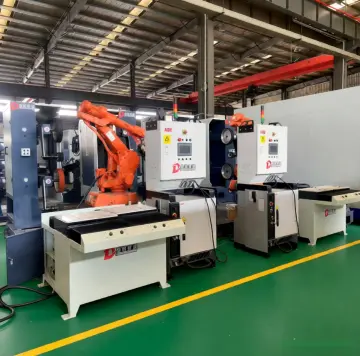
An advanced Automated Polishing System replaces manual labor with high-speed, multi-axis robotic cells or CNC machinery. These systems are engineered to handle the complex, organic curves of modern faucet designs, ensuring that every contour is processed with uniform pressure and contact time.

1. Multi-Axis Robotic Flexibility

Modern faucets feature complex shapes, from classical curved spouts to sharp, minimalist geometric designs. Standard 3-axis machinery cannot reach all the recessed areas and complex profiles. A 6-axis industrial robot, often mounted on an additional linear axis or paired with rotary tables, provides the necessary degrees of freedom. This multi-axis flexibility allows the system to manipulate the faucet casting against various grinding and polishing heads at optimal angles.

2. Active Force Control Technology

Unlike steel components, brass castings are relatively soft and easily damaged by excessive force. If a robot applies too much pressure, it can deform the faucet or grind away critical design details. Advanced automated polishing systems utilize active force-feedback sensors. This technology allows the robotic arm to detect surface resistance in real-time and adjust its pressure dynamically. Even if the raw casting has slight dimensional variations, the system maintains a consistent contact force, guaranteeing a uniform finish without flat spots or excessive material removal.

3. Integrated Belt Grinding and Buffing Wheels

The transition from a raw casting to a mirror-polished faucet involves multiple steps. The automated cell typically includes:

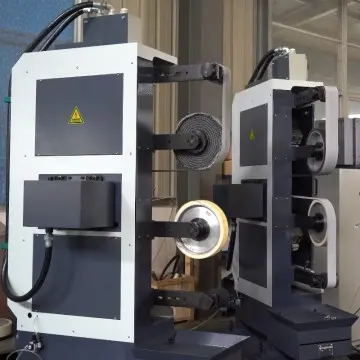
  • Coarse Grinding: Heavy-grit abrasive belts remove the casting gates, parting lines, and surface scale.
  • Fine Grinding: Medium to fine-grit belts smooth out the surface scratches left by the coarse step.
  • Sisal Buffing: Heavy-duty sisal wheels combined with abrasive compounds remove fine lines and prepare the metal for high gloss.
  • Cotton Buffing: Soft cotton wheels with fine compounds produce the final mirror finish required for high-quality electroplating.

The automated system manages the transition between these stages seamlessly, automatically applying polishing compound at precise intervals to optimize wheel performance and longevity.

4. Smart Vision Systems and 3D Scanning

One of the key innovations in AI-driven automation is the integration of 3D vision systems. Before the grinding process begins, a 3D scanner can map the incoming casting. The system compares the scan to the reference CAD model, identifies the exact locations of flashings, gates, and surface irregularities, and automatically modifies the robotic path. This ensures that variations in the casting process do not lead to defects during polishing.

Environmental and Safety Integration in Modern Polishing Solutions

A modern automated polishing system is not just about the robot; it is a complete, enclosed ecosystem designed for safety and environmental compliance. Industrial dust collectors are integrated directly into the polishing cells. These systems capture brass dust at the source, preventing it from escaping into the factory atmosphere. Explosion-proof wet dust collectors are commonly employed to safely handle flammable metal dust, ensuring compliance with strict global environmental and safety standards.
About

A Global Leader in Casting, Grinding, and Polishing Solutions

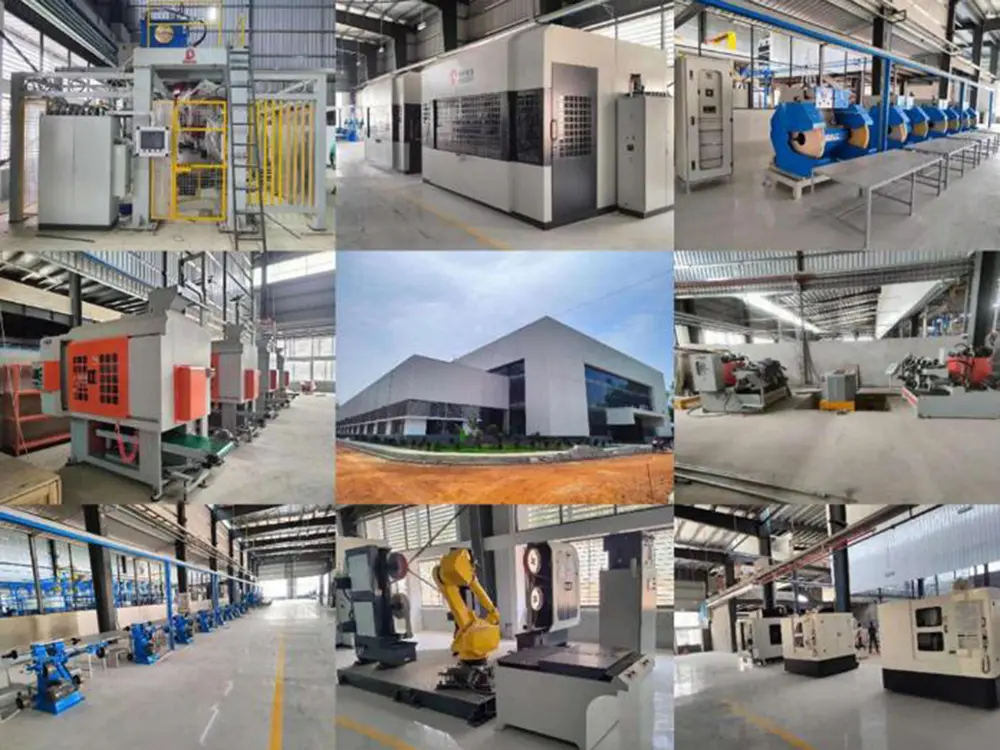
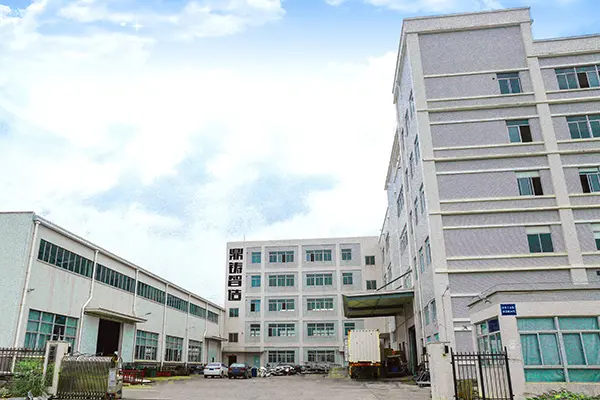
Xiamen Dingzhu factory

We are a comprehensive enterprise intelligent equipment manufacturing, processing, sales, maintenance and technology research and development. Leading in design and manufacture of automatically equipment for faucet production equipment, sanitary ware, bathroom fixtures and metal steel products industries, hardware accessories auto parts industry, door lock industry parts, new energy industry and other products casting, deburring, grinding, machining and polishing automation equipment.

We provide automatic Low Pressure Die Casting Machine (LPDC), Robotic Cell Grinding And Polishing machines, Robotic Deburring Solution, CNC Polishing Machine, Sand Core Shooting Machine, Gravity Die Casting Machine, Industry Furnace, Automatic CNC Sprue Cutting Machine.

Dingzhu serves the manufacturing industries with total solutions of intelligent production management system, innovative production technologies and the eco-friendly renovation plan. We know how to transfer the technology to end users.

Dingzhu’s young and professional engineers focus on innovative technology research and development, strive to create the Dingzhu be a famous brand in worldwide. We have obtained patents of innovation and practical application in products for the Low Pressure Die Casting Machine, Auto Grinding and Polishing Equipment. The company’s strong scientific and technological strength and rich professional experience, from design to installation operations, are constantly improving, with good reputation and quality service by the majority of users and well-known enterprises.

Our Advantages

Why leading sanitary ware manufacturers choose Dingzhu as their automation partner.

Expert Team

Expert Team

Core members possess 20 years of experience in faucet production equipment R&D, having served over 100 global manufacturing enterprises;

Technological Advantages

Technological Advantages

50 patents in self-developed technologies such as dynamic pressure control for low-pressure casting and multi-axis robotic flexible deburring algorithms;

Turnkey Services

Turnkey Services

Comprehensive technical support, from mold design (CAE simulation supported), factory layout planning (lean production layout), to personnel training, ensuring rapid production startup.

Global Service

Global Service

Global Service Network: 24/7 Rapid Response. Localized Support: Direct service centers in India, Turkey, Egypt, and Iran, staffed with 10+ professional engineers;

After-Sales Commitment

After-Sales Commitment

2-hour response to equipment failures, on-site support within 48 hours; global spare parts inventory for key components to ensure zero production downtime;

Upgrade Services

Upgrade Services

Provide equipment intelligent upgrades and process iteration solutions to continuously enhance customer competitiveness.

What we do

What we do?

Xiamen Dingzhu Intelligent Equipment Co., Ltd. specializes in the research and development, production, sales and service of automatic low pressure casting machine (LPDC), robotic cell grinding and polishing machine, furnace, gravity die casting machine, automatic sand core shooting machine, cnc polishing machine ect. A number of national patents have been obtained. The range of equipment covers a wide range of fields and applications including: sanitary ware industry, hardware industry, auto parts industry, new energy industry, electronics industry and many other industries.

Looking to the future, Dingzhu intelligent equipment will adhere to the industry breakthrough as the leading development strategy, and constantly strengthen technological innovation, management innovation and marketing innovation as the core of the innovation system, and strive to become the leader in the field of intelligent, automated equipment application solutions.

Market Distribution

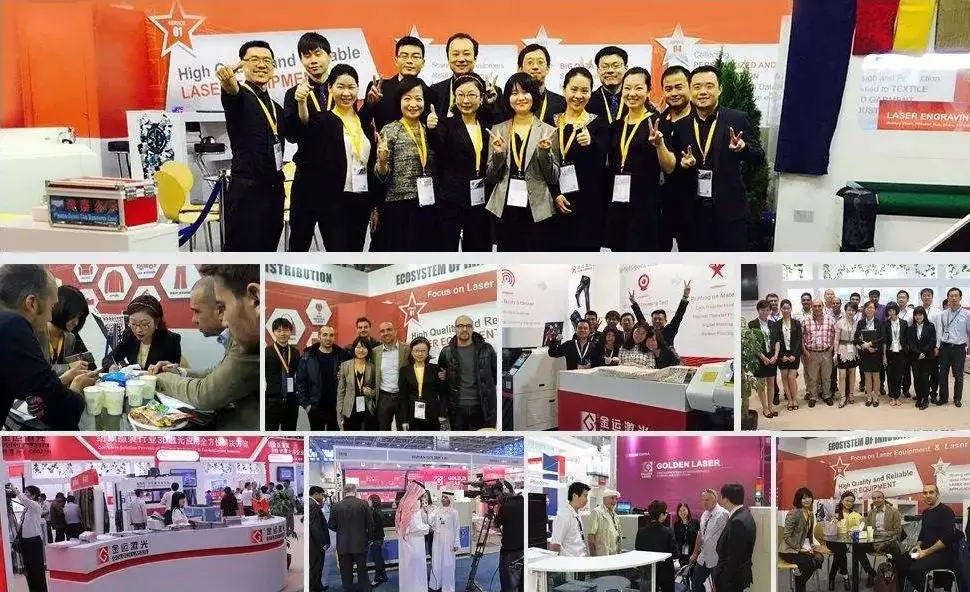
We are trying to open foreign markets for our range of products. We have exported machines to Southeast Asia, Middle East, Africa, South Asia, Europe etc.

Dingzhu is looking forward to working with you, let’s be part of you in the path of development.

Contact us
Market Map
line leftline rightcenter

Deep Application Analysis: The Automated Polishing Process in Faucet Manufacturing

To fully appreciate the impact of an Automated Polishing System For Faucet Casting Grinding Polishing Solution, it is helpful to dissect the exact stages a raw cast faucet undergoes within a robotic cell. The entire workflow is designed to achieve maximum surface compliance with zero manual intervention.

Stage 1: Gate and Sprue Removal (Robotic Cutting & Deburring)

When a brass faucet is cast using gravity die casting, it emerges with a heavy metal channel known as the gate or sprue. This excess material must be cut off cleanly. An automated CNC sprue cutting machine or a robotic arm equipped with a high-torque cutting saw performs this rough cut. Following the cut, a heavy deburring wheel grinds the remaining stub flush with the faucet body. The robot's force sensors ensure that the cut does not gouge into the actual faucet wall.

Stage 2: Parting Line and Flashing Grinding

Every cast component has a parting line where the two halves of the mold met. This line is often raised and sharp. Using a sequence of medium-grit abrasive belts, the robot moves the faucet along the belt, maintaining a perfect tangential contact angle. The robot's control system path planning ensures that the parting line is completely blended into the surrounding surface, leaving no visible trace of the casting joint.

Stage 3: Multi-Stage Buffing and Polishing

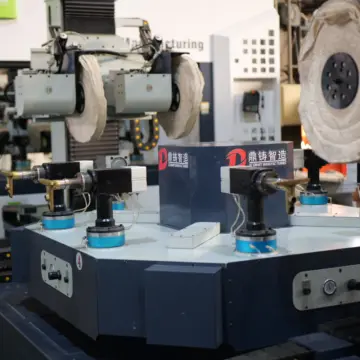
Once the surface is flat and free of casting defects, the polishing phase begins. The robot transfers the faucet to a series of buffing stations. Each station is equipped with different wheels (sisal, cloth, or flannel) and automatically dispenses specific abrasive compounds. The robot adjusts its path and pressure dynamically to prevent heat buildup, which can cause surface discoloration or micro-cracking in brass alloys.

Stage 4: Quality Inspection and PVD Preparation

After the final buffing stage, the faucet surface is inspected. In advanced smart factories, high-resolution cameras check for any remaining surface scratches or imperfections. Once cleared, the faucets are clean, smooth, and ready for ultrasonic cleaning, followed by electroplating (chrome, nickel) or Physical Vapor Deposition (PVD) coating (gold, matte black, gunmetal).

Future Trends in Automated Faucet Polishing Systems

The technology behind automated polishing is advancing rapidly. We are seeing several key trends that will define the next generation of sanitary ware manufacturing:

  • Artificial Intelligence and Machine Learning: AI algorithms are being developed to predict tool wear. The system can automatically adjust the robot's coordinates to compensate for the gradual reduction in buffing wheel diameter, ensuring consistent quality over thousands of cycles.
  • Digital Twin Simulation: Before a robot is deployed on the factory floor, engineers can simulate the entire grinding and polishing process in a virtual environment. This reduces setup times from weeks to days and prevents costly collisions during program testing.
  • Green Manufacturing: Energy-efficient motors, regenerative braking on robotic arms, and closed-loop water filtration systems for wet dust collectors are reducing the carbon footprint of the casting and polishing process.

Company Culture & Features

Founded in 2016, leading the industry through innovation, technology, and human-centric values.

System of Thought

Company Vision: Be an industry leader to create a world famous brand

Company Mission: Free the hands of workers and make production safer, greener, and more efficient

Core Values: People Oriented, Customer First, Continuous Innovation, Pursuit for Excellence

Main Features

Dare to innovate, Continuous optimization, Emphasis on technology and service.

People-oriented is the core feature of Dingzhu intelligent equipment.

We invest in staff training every year and provide free lunch to our staff.

We have a great vision, demand high standard of work, and pursue "let all the work become a fine product".

Xiamen Dingzhu Intelligent Equipment Co., Ltd, since its establishment in 2016, our R & D team has developed into 60 + numbers, the plant's floor space has been expanded to 2,525 square meters, the turnover in 2022 is a one-off to reach 100 million U.S. dollars, and now we have become a company with a certain scale of business, which is closely related to our company's corporate culture.

Main featuresCompany culture