The Industrial Revolution in Motorcycle Parts Surface Finishing
The motorcycle and non-motor vehicle manufacturing sector has historically depended on manual grinding and polishing — a process fraught with inconsistency, occupational health risks, and scalability limitations. Workers exposed to abrasive dust, heat, and repetitive high-force motions over long shifts produce surface finishes that vary in Ra (roughness average) values, creating rework bottlenecks that undermine production efficiency. The emergence of automated polishing systems addresses all of these challenges simultaneously, transforming surface finishing from a labor-intensive craft into a programmable, data-driven industrial process.
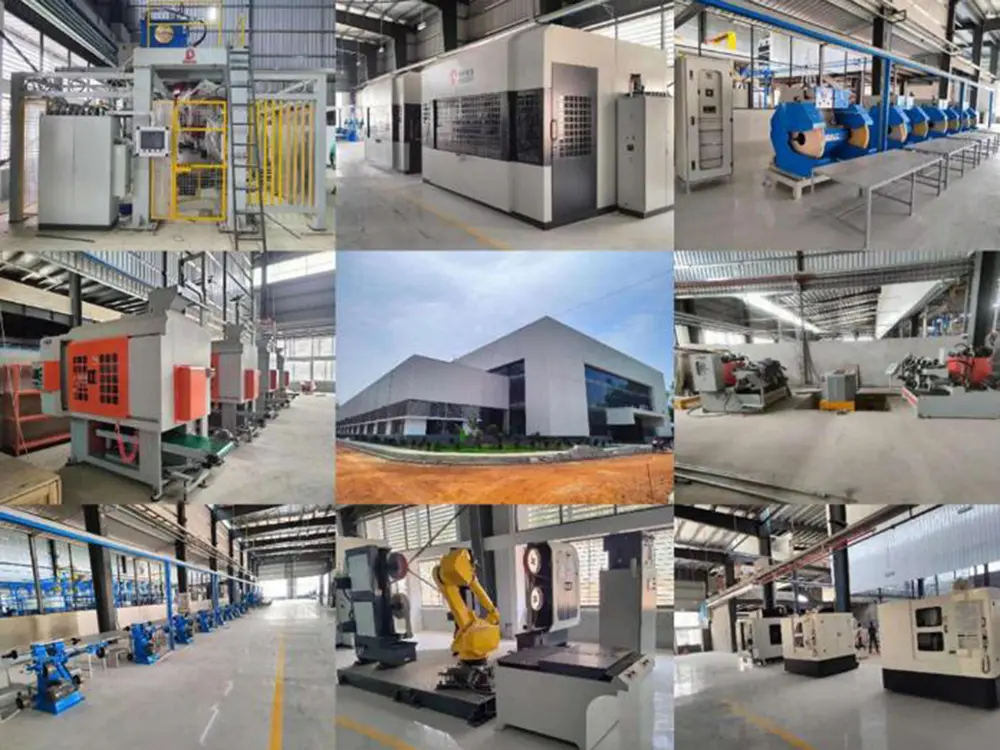
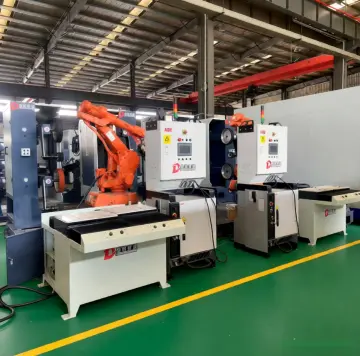
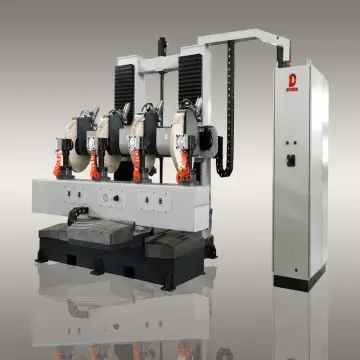
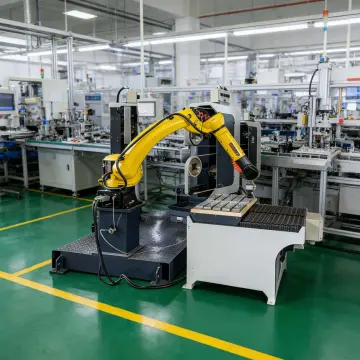
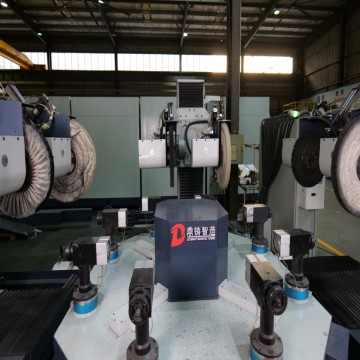
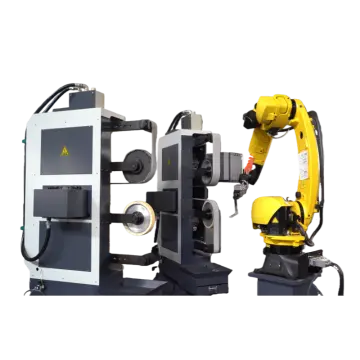
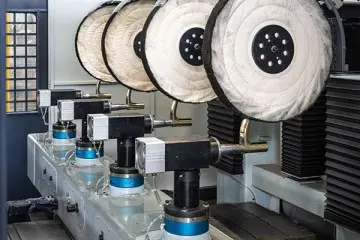
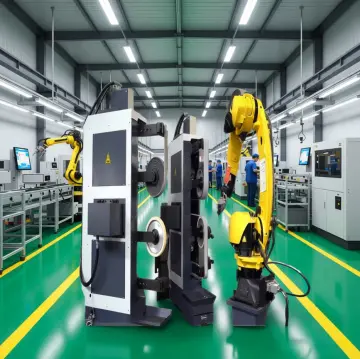
Modern automated polishing systems for motorcycle parts integrate multi-axis robotic arms, force-controlled spindle units, adaptive abrasive management, and real-time vision inspection into a single cohesive manufacturing cell. These systems are engineered to handle the geometric complexity inherent to motorcycle components — from the compound curves of engine covers and fuel tank shells to the precision bore finishes required on cylinder heads and transmission housings. Whether processing aluminum alloy die castings, zinc alloy pressure castings, or stainless steel structural elements, an advanced automated polishing system delivers repeatable Ra values as low as 0.1μm at production speeds impossible to match by human operators.
Commercial & Industrial Landscape: Why Automated Polishing Is Now Mission-Critical
The commercial case for deploying automated polishing systems in motorcycle component manufacturing has never been stronger. Three converging forces are driving adoption at an accelerating pace:
1. Rising Consumer Quality Expectations
Modern motorcycle buyers — particularly in premium and mid-market segments — evaluate surface finish quality as a direct proxy for overall build quality and brand value. Chrome-plated engine covers, mirror-polished exhaust pipes, and brushed aluminum wheel hubs that achieve perfect, blemish-free surfaces are no longer optional. OEM supply chain agreements increasingly mandate surface finish specifications that are impossible to guarantee at scale without automated polishing solutions. Brands that invest in automated grinding and polishing systems gain a measurable competitive advantage in OEM qualification audits and after-market component supply contracts.
2. The Labor Crisis in Manufacturing Regions
Skilled manual polishing operators are among the most difficult manufacturing positions to fill and retain globally. In Southeast Asia, South Asia, and Eastern Europe — regions that collectively account for the majority of global motorcycle component production — labor attrition rates in manual finishing departments often exceed 35% annually. Automated polishing systems provide manufacturers with a reliable, scalable alternative that eliminates dependency on scarce skilled labor while simultaneously improving throughput predictability and shift-to-shift consistency.
3. Environmental and Occupational Safety Compliance
Regulatory frameworks governing grinding dust exposure, abrasive waste disposal, and noise levels in manufacturing environments are tightening across all major manufacturing jurisdictions. Automated polishing systems, when equipped with integrated dust extraction, coolant recycling, and enclosed work cells, make it substantially easier for manufacturers to comply with ISO 45001 occupational health standards and evolving environmental regulations — reducing liability exposure and facility certification costs.