How to Choose the Right Brass Faucet Casting Machine for Your Needs?
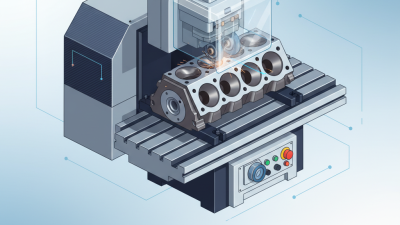
Choosing the right Brass Faucet Casting Machine is essential for manufacturers aiming to enhance production efficiency. The market for brass fittings is projected to reach $5.4 billion by 2025, with increasing demand for high-quality fixtures. Advanced casting machines can significantly impact product quality and overall operational costs.
During the 139th Canton Fair, attendees will notice innovations in manufacturing technology. With AI-assisted navigation, buyers can quickly locate suppliers who meet certifications like ISO and CE. The fair's focus on advanced machinery underscores the importance of selecting the right equipment. A suitable casting machine not only ensures efficiency but also improves the precision of finished products.
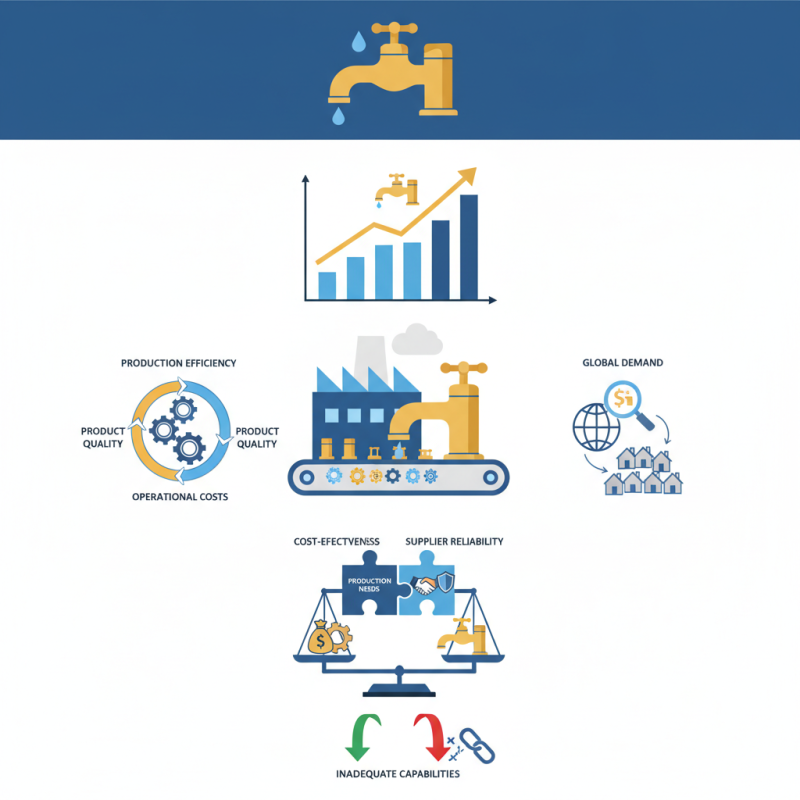
Investing in a Brass Faucet Casting Machine requires careful consideration. Manufacturers must reflect on their production needs and supplier reliability. Balancing cost-effectiveness and quality is crucial. Ignoring these factors may lead to inadequate production capabilities.
Understanding the Types of Brass Faucet Casting Machines Available
Choosing the right brass faucet casting machine involves understanding the available types. Three primary categories exist: gravity casting machines, low-pressure casting machines, and investment casting machines. Each type has distinct advantages and drawbacks.
Gravity casting machines are often preferred for their simplicity. They use gravitational force to fill the mold with molten brass. Data indicates that this method typically yields cost-effective production. However, the surface finish may not always meet high-end standards. This means you might need additional finishing processes, which can increase overall costs.
Low-pressure casting machines, on the other hand, utilize controlled pressure to fill molds. This results in a finer finish and more detailed castings. Reports show that these machines can reduce porosity, enhancing the durability of the faucets. However, the initial investment is higher, which could be a barrier for smaller operations. Investment casting machines provide the highest precision. Yet, they require extensive setup and are often slower. Thus, evaluating your volume needs is vital. It’s a balance of precision versus production speed.
Evaluating Key Specifications: Capacity, Speed, and Efficiency Factors
Choosing the right brass faucet casting machine is essential for your production needs. When evaluating specifications, it's crucial to consider capacity, speed, and efficiency. Capacity refers to how much material can be processed at once. If the volume is too low, production can slow down.
Speed is also vital. A faster machine might improve output but may compromise quality. Sometimes, operations become too rushed, leading to defects. Assessing the right balance is critical. Efficiency factors go beyond just output; they include energy consumption and maintenance needs. Machines that consume more energy may not be sustainable long-term.
Consider the space you have available. Some machines require significant floor space, limiting your setup options. Are you prepared for additional costs? Maintenance can be more expensive for high-capacity models. Reflecting on these aspects will guide your decision-making process.
Brass Faucet Casting Machine Specifications Comparison
Analyzing Cost-Effectiveness: Budget vs. Long-Term Investment
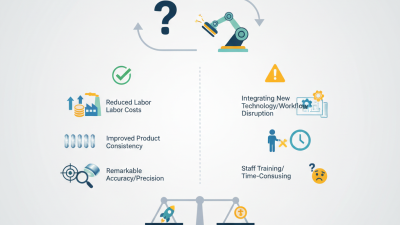
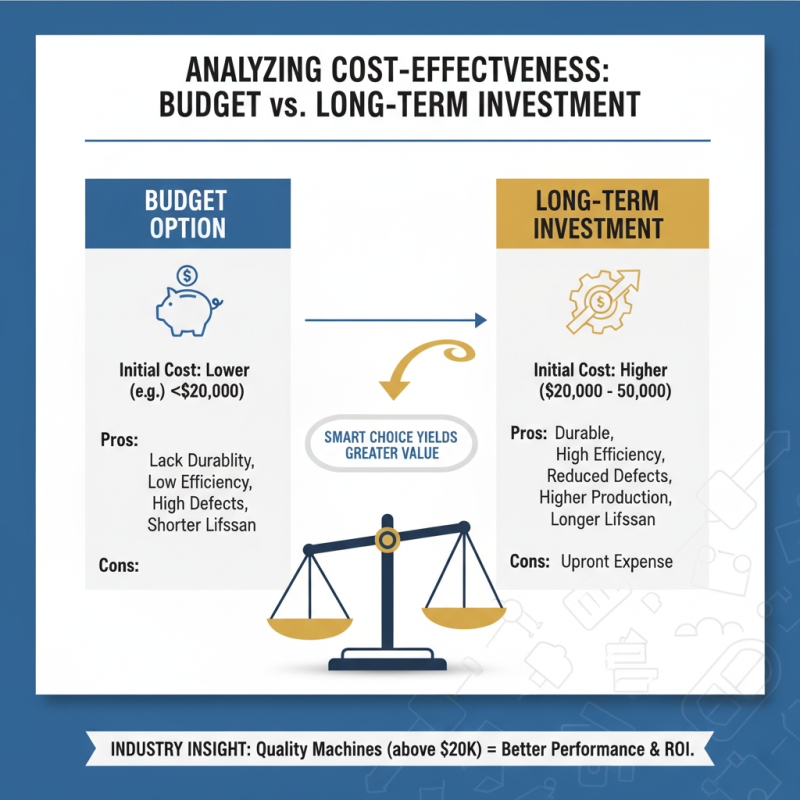
When selecting a brass faucet casting machine, cost-effectiveness is crucial. You might consider initial costs versus long-term value. Often, cheaper models seem attractive at first. However, they may lack durability and efficiency. According to industry studies, machines that range from $20,000 to $50,000 generally offer better performance. They yield higher production rates and reduced defects.
Investing in a quality machine usually results in lower maintenance costs. Research indicates that a high-quality casting machine can lower your defect rate by up to 30%. This reduction means fewer reworks and increased customer satisfaction. However, the upfront cost is a barrier for many. Some manufacturers find it hard to justify such expenses without data to support potential savings.
Padding initial budgets can be difficult. Small businesses must weigh immediate financial constraints against potential long-term benefits. Sometimes, the decision hinges on cash flow. Less expensive machines might stretch budgets, but they can be a gamble. Thus, understanding your unique needs is critical before making a choice. The right decision today could lead to significant savings in the future.
Assessing Quality Control Features in Brass Casting Machines
When selecting a brass faucet casting machine, quality control features play a crucial role. These machines require precision to ensure uniformity and durability in cast products. Check if the machine provides consistent temperature control. An even temperature is essential for quality casting. Inadequate temperature may lead to defects, like air pockets or weak points in the brass.
Another feature to consider is the machine's inspection capabilities. Does it have built-in sensors for detecting flaws? Automated inspection can minimize human error. Regular checks are necessary, even with advanced machines. Sometimes, an overlooked detail can result in significant production issues.
Think about the feedback mechanism as well. Some machines offer data analytics to track performance over time. This can help you understand recurring issues. Reflection on past mistakes can guide future improvements. Choosing a machine with strong quality control features will ultimately save time and costs in the long run.
How to Choose the Right Brass Faucet Casting Machine for Your Needs? - Assessing Quality Control Features in Brass Casting Machines
| Feature |
Description |
Importance |
Typical Range |
| Casting Accuracy |
Measures how close the produced parts are to the desired dimensions. |
Critical for ensuring product quality and reducing waste. |
±0.01mm |
| Cycle Time |
Time taken to complete one casting process. |
Affects production efficiency and overall throughput. |
30-60 seconds |
| Material Compatibility |
Ability to work with various brass alloys. |
Essential for versatility in production. |
Brass, Bronze |
| Quality Control Systems |
Integrated mechanisms to monitor and ensure quality. |
Important for maintaining production standards. |
Automated sensors, visual inspection |
| Energy Efficiency |
How much energy the machine consumes per cycle. |
Lower costs and environmentally friendly. |
1-5 kWh/cycle |
| Maintenance Requirements |
Frequency and complexity of necessary upkeep. |
Affects long-term costs and operational downtime. |
Monthly/Quarterly |
Reviewing Manufacturer Reputation and Customer Support in the Industry
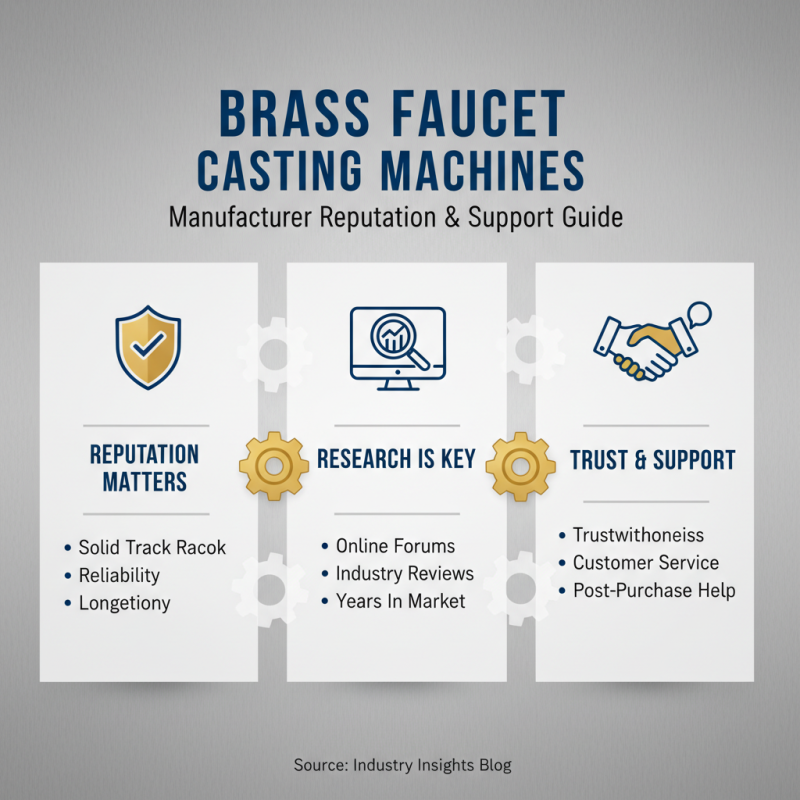
When selecting a brass faucet casting machine, the manufacturer's reputation truly matters. A company with a solid track record often implies reliability. Customers should review online forums and industry reviews. Look for manufacturers who have served the market for years. Longevity often signals trustworthiness.
Customer support is another critical factor. A responsive support team can make a significant difference. Imagine needing immediate assistance, yet no one answers your call. Frustrating! Support should also be knowledgeable. Complex machines require careful guidance, especially during installation. Check if the manufacturer offers training sessions, manuals, or online resources.
Additionally, reflect on warranty and service options. A good warranty can save costs later on. If a machine breaks down, will they be there to help? Delays in support can halt production. Assess these factors carefully. Relying solely on price can be misleading and might lead to bigger problems down the line.