Why Choose a CNC Polishing Machine for Your Manufacturing Needs?
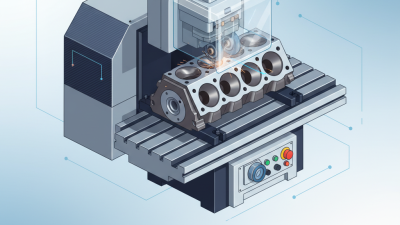
In the modern manufacturing industry, precision and efficiency are paramount. A CNC Polishing Machine stands out as an essential tool for achieving high-quality finishes. These machines utilize advanced technology to ensure consistent results. By automating the polishing process, manufacturers can save time and reduce labor costs, making them a smart investment.
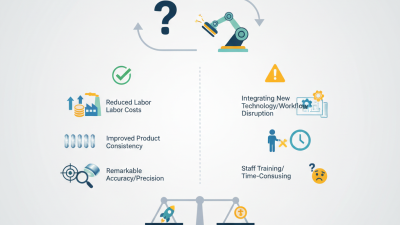
The use of a CNC Polishing Machine also enhances the accuracy of polished surfaces. Operators can program specific parameters, allowing for tailored adjustments based on material type. However, this level of sophistication requires skilled personnel for optimal results. Inadequate training could lead to improper use or subpar finishes, highlighting the importance of expertise in operation.
Choosing a CNC Polishing Machine can transform production lines, but it is not without challenges. Regular maintenance is critical to avoid breakdowns. Additionally, selecting the right machine for specific needs requires careful evaluation. While these machines offer numerous benefits, manufacturers should consider potential drawbacks to ensure high standards in their operations.
Benefits of Using CNC Polishing Machines in Manufacturing
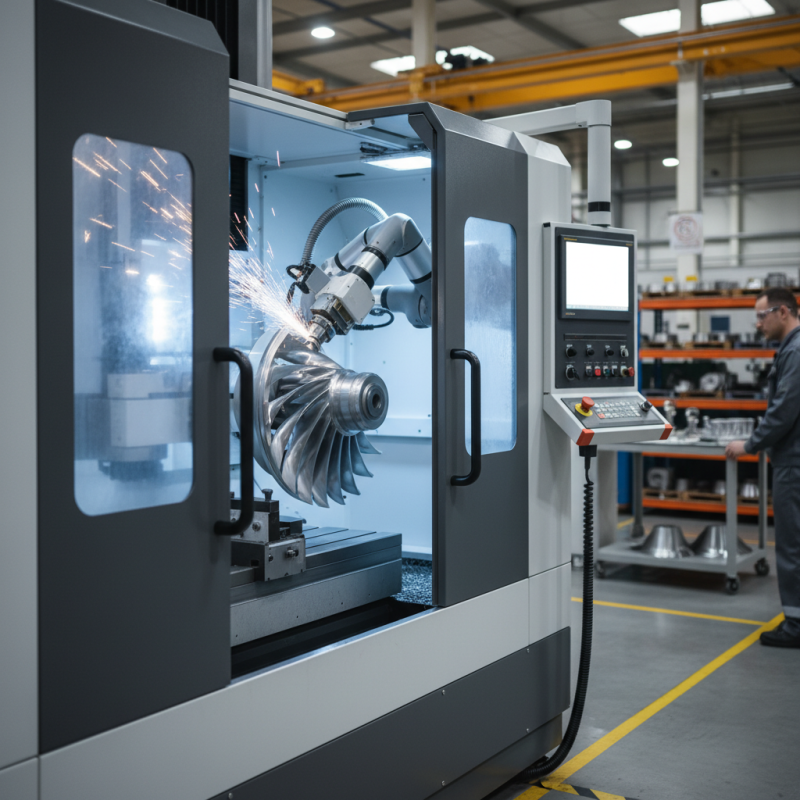
CNC polishing machines play a vital role in modern manufacturing. These machines offer numerous benefits that enhance product quality and efficiency. One significant advantage is precision. CNC machines ensure consistent results, which reduces the chances of human error. When manufacturing intricate parts, the precision offered by CNC polishing can make a remarkable difference.
Another benefit is speed. CNC polishing machines operate faster than manual processes. This efficiency allows manufacturers to increase productivity. The combination of speed and precision means that high-quality products can be produced in less time, leading to better profitability.
Tip: Invest time in training operators on CNC technology. This knowledge improves machine utilization and reduces costly mistakes.
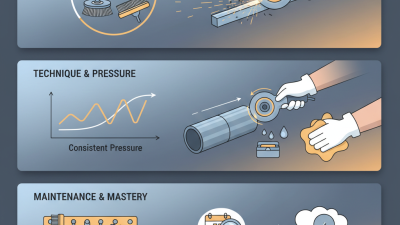
Additionally, CNC polishing machines provide uniform finishes. This uniformity is crucial for parts that require a specific surface quality. However, manufacturers must regularly maintain these machines to ensure they operate at their best. Neglecting maintenance can lead to unexpected downtime and defects in finished products.
Tip: Schedule routine check-ups to avoid costly repairs later. Keeping a maintenance log can help track potential issues before they escalate.
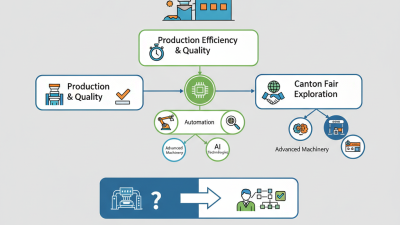
Choosing CNC polishing machines for manufacturing enhances efficiency and product quality. Embracing this technology is a step toward innovation in the manufacturing industry.
Key Features to Look for in a CNC Polishing Machine
When selecting a CNC polishing machine, several key features can impact your
manufacturing efficiency.
Precision is one of the most critical aspects. According to industry reports,
machines with high accuracy can enhance the quality of polished surfaces significantly.
A deviation as small as 0.01 mm
can lead to noticeable defects in the final product. Therefore, seek machines that
emphasize tight tolerances.
Speed is another essential factor.
CNC polishing machines with adaptive speed settings can optimize the polishing process
based on material type. This adaptability not only improves efficiency but also reduces
wear on tools, prolonging their lifespan. In fact, recent studies show that using variable
speed controls can increase productivity by up to 30%.
Tips: Always consider the ease of use. A user-friendly interface minimizes
training time for operators. Furthermore, look for machines with robust software for
enhanced programming capabilities. This ensures seamless integration into your existing
manufacturing processes, which can be a game changer in production timelines. Balancing
these features can lead to better outcomes but requires careful evaluation of each
machine's capabilities.
Comparing CNC Polishing Machines with Traditional Polishing Methods
CNC polishing machines offer significant advantages over traditional polishing methods. These machines automate processes, resulting in greater precision and uniformity. According to a report by the International Journal of Advanced Manufacturing Technology, CNC polishing can reduce production time by up to 30% when compared to manual methods. This efficiency translates to lower labor costs and increased output.
Traditional polishing techniques often rely on skilled labor, which can introduce variability in quality. The American Society for Precision Engineering notes that human error can account for up to 15% of defects in manual polishing. In contrast, CNC machines provide consistent results with minimal oversight. The technology allows for programmable parameters, ensuring that every piece meets desired specifications without constant supervision.
However, there are challenges to consider. CNC machines require a higher initial investment. Companies may hesitate due to the upfront costs. Additionally, operators need training to maximize machine capabilities. As noted by the Manufacturing Institute, a skills gap remains in the industry. Investing in training could offset these hurdles, ultimately improving production efficiency.
Why Choose a CNC Polishing Machine for Your Manufacturing Needs?
| Feature |
CNC Polishing Machines |
Traditional Polishing Methods |
| Precision |
High precision with tolerances up to ±0.005 mm |
Lower precision, typically ±0.1 mm |
| Efficiency |
Faster processing times |
Slower, more labor-intensive processes |
| Setup Time |
Short setup times, easily programmable |
Longer setup times, manual adjustments required |
| Consistency |
Consistent results across batches |
Variability in results based on operator skill |
| Material Versatility |
Can handle a wide range of materials |
Limited to certain material types and sizes |
| Labor Costs |
Reduced labor costs with automation |
Higher labor costs due to manual work |
| Skill Level Required |
Lower skill level needed for operation |
Higher skill level required for proficient operation |
Applications of CNC Polishing Machines Across Various Industries
CNC polishing machines are vital in numerous industries, providing precision finishing solutions.
In the automotive sector, they enhance the surface quality of components like engine parts and wheels. This polishing process not only improves aesthetics but also reduces friction, prolonging the lifespan of parts. High standards of surface finish are crucial for car safety.
In the aerospace industry, these machines play a significant role. They polish critical components such as turbine blades and fuselage panels. A flawless surface finish is essential to meet stringent safety regulations. Additionally, pharmaceutical equipment requires polished surfaces to ensure cleanliness. Any imperfection could compromise product integrity. Even small scratches can harbor bacteria, leading to serious consequences.
Electronics manufacturers also benefit from CNC polishing. They use it on circuit boards and housings, ensuring high conductivity and reliability. However, achieving uniformity can be challenging. Inconsistent polishing can lead to device malfunctions. This highlights the importance of precision in the polishing process. Every industry has its unique challenges and standards, making the right CNC polishing machine indispensable.
Understanding the Cost-Effectiveness of CNC Polishing Machines
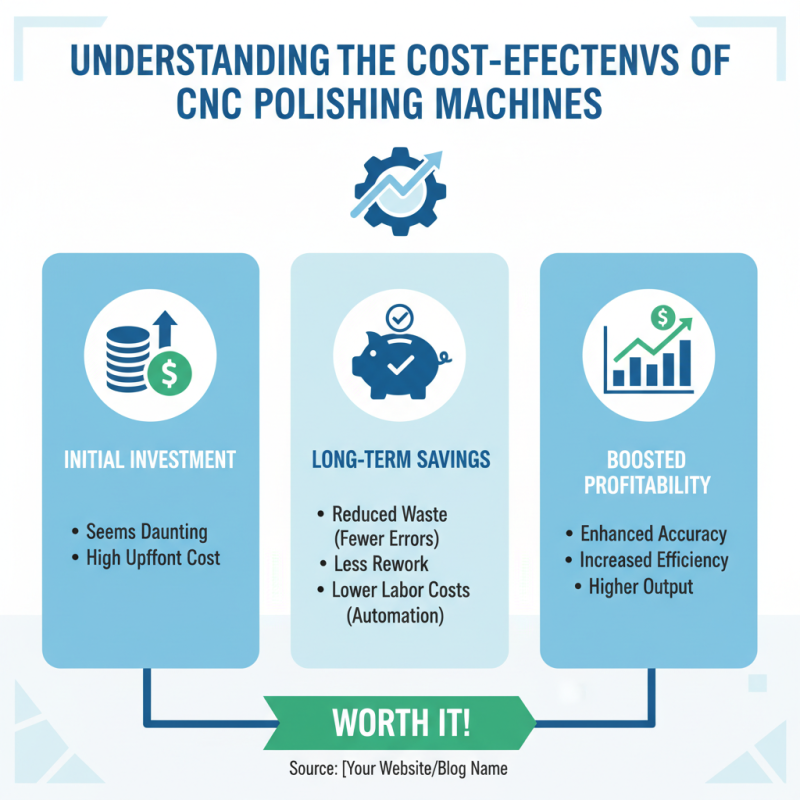
Investing in CNC polishing machines can significantly boost your manufacturing processes. These machines are designed to enhance accuracy and efficiency, offering benefits not just in output but also in cost savings. The initial investment might seem daunting, yet the long-term savings they provide are worth considering. Enhanced automation means fewer manual errors, leading to reduced waste and rework.
When you analyze the total cost of ownership, CNC machines often prove more economical over time. They require less labor and reduce material waste. Some manufacturers have reported up to 30% savings in operational costs after switching. The ability to produce complex parts consistently ensures high-quality standards, which can lead to increased customer satisfaction.
However, the transition to CNC technology isn't always seamless. There are learning curves involved. Staff may require training, and initial setup can be time-consuming. Remaining aware of these challenges is crucial. Reflecting on potential hurdles enables businesses to strategize effectively. While the benefits are clear, navigating the complexities of this technology requires careful planning and a commitment to continuous improvement.