How to Use a Faucet Buffing Machine for Optimal Results?
Using a Faucet Buffing Machine can greatly enhance the finish of your faucets. This machine simplifies the polishing process, bringing a professional look to your fixtures. However, effectively using it requires understanding specific techniques for optimal results.
The key to success lies in mastering the machine's settings. Variations in speed and buffing materials can drastically change outcomes. Therefore, experimenting with these settings is essential. A poorly adjusted machine may lead to uneven surfaces, resulting in subpar finishes.
In addition to technical proficiency, attention to detail is crucial. Each faucet has unique features that may require different approaches. Not every buffing technique works for all faucets. This realization can prevent frustrating errors. Embracing the learning curve associated with the Faucet Buffing Machine is vital for improvement. Investing time in practice leads to more consistent, reliable results.

Understanding the Basics of Faucet Buffing Machines
Understanding the Basics of Faucet Buffing Machines
Faucet buffing machines play a crucial role in achieving a polished finish on faucets. This equipment efficiently removes scratches and oxidation. The process enhances aesthetic appeal while improving durability. However, using these machines effectively requires a fundamental understanding of their components and functions.
One essential tip is to choose the right buffing wheel. Different wheels serve various purposes, such as polishing or cutting. Selecting the appropriate wheel can significantly impact the final result.
Another key point is to maintain consistent pressure while buffing. Pressing too hard can lead to uneven surfaces, while too little pressure may not yield satisfactory results.
Experimentation is part of learning. It’s beneficial to practice on scrap materials. This helps refine your technique before working on actual faucets. Watching the speed of the machine is equally important. An incorrect speed can burn the surface or fail to polish it properly. Stay mindful of these aspects, and your faucet buffing skills will improve over time.
Preparing Your Workspace for Efficient Buffing
Preparing your workspace for using a faucet buffing machine is crucial for achieving optimal results. Start by clearing your work area. Ensure that the space is well-lit and free from clutter. A clean workspace allows you to focus on buffing without distractions. Make sure you have all necessary tools within reach. This includes the buffer, appropriate buffing pads, and polishing compounds.
Organizing your materials helps streamline the process. Lay out the buffing machine, pads, and compounds in a logical order. Clearly label each item for easy access. Pay attention to safety; wear gloves and goggles to protect yourself from contaminants. You want to minimize any risks while working.
Consider the surface you are buffing. It should be clean and dry before starting. Inspect it for any defects. Sometimes, users overlook small scratches that can affect the final result. Taking time to prepare adequately can save you from disappointing outcomes. A well-prepared workspace sets the stage for a successful buffing experience, increasing your efficiency.
How to Use a Faucet Buffing Machine for Optimal Results? - Preparing Your Workspace for Efficient Buffing
| Preparation Steps |
Description |
Time Required |
Tips |
| Clear Workspace |
Remove any clutter or unnecessary items from the area. |
10 minutes |
Ensure ample space for movement. |
| Gather Materials |
Collect all necessary tools and materials needed for buffing. |
5 minutes |
Double-check against your checklist. |
| Safety Gear |
Wear appropriate safety gear including goggles and gloves. |
2 minutes |
Ensure gear fits properly for maximum protection. |
| Machine Setup |
Setup and check the functioning of the buffing machine. |
15 minutes |
Consult the manual for proper setup instructions. |
| Test Buffing |
Perform a test buff on a small area to ensure settings are correct. |
5 minutes |
Adjust settings if needed before full application. |
Step-by-Step Guide to Operating a Faucet Buffing Machine
Operating a faucet buffing machine can greatly enhance the quality of your products. Start by setting up the machine in a clean, dry space. Ensure that all safety gear is worn, including gloves and goggles. Proper alignment of the faucet is crucial. Any misalignment can lead to uneven buffing.
Once the machine is ready, load the faucet securely. Check the speed settings based on the material type. Slower speeds often work better for delicate finishes. Observe how the buffing compound interacts with the faucet surface. If you notice excess residue, consider adjusting the application.
Tips: Regularly inspect the buffing wheel for wear. A worn wheel won't produce optimal results, leading to frustration. Keep a log of your buffing settings and results. Reflect on what works and what doesn’t. This helps hone your process over time. Consistency is key; varying your technique may yield unexpected issues.
Faucet Buffing Machine Performance Metrics
This bar chart displays the performance metrics for optimal usage of a faucet buffing machine. Key parameters include speed in RPM, the time taken for buffing in minutes, and the resulting surface finish measured in RA (Roughness Average).
Common Mistakes to Avoid for Optimal Buffing Results
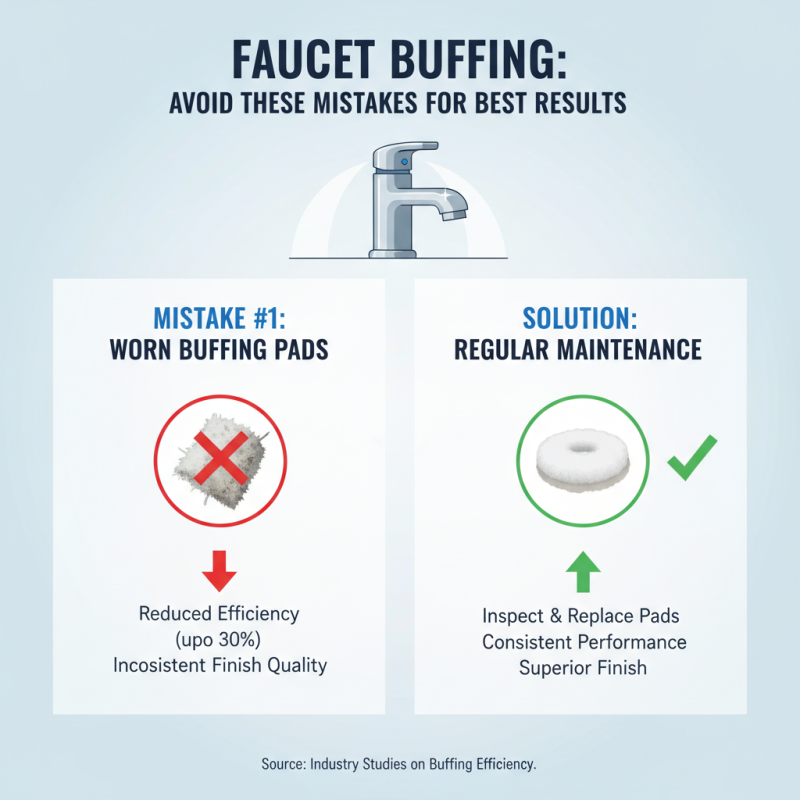
When using a faucet buffing machine, avoiding common mistakes is crucial for achieving optimal results. One frequent error is neglecting the maintenance of buffing pads. Studies reveal that worn pads can reduce efficiency by up to 30%. Regularly inspecting and replacing pads ensures consistent performance and quality finish.
Another pitfall is improper speed settings. Many operators underestimate the significance of speed control. Running the machine too fast can lead to uneven surfaces and increased heat, resulting in potential damage. Aligning the speed with the material type is essential. For instance, faster speeds may work well for softer metals, while harder materials often require a slower approach.
Attention to detail cannot be overstated. A rushed process might seem efficient, but numerous reports highlight the correlation between thoroughness and finished quality. Taking time to properly position the faucet during the buffing process can enhance overall aesthetics. Integrating these insights into your workflow will likely lead to exceptional results.
Maintenance Tips for Longevity of Your Buffing Machine
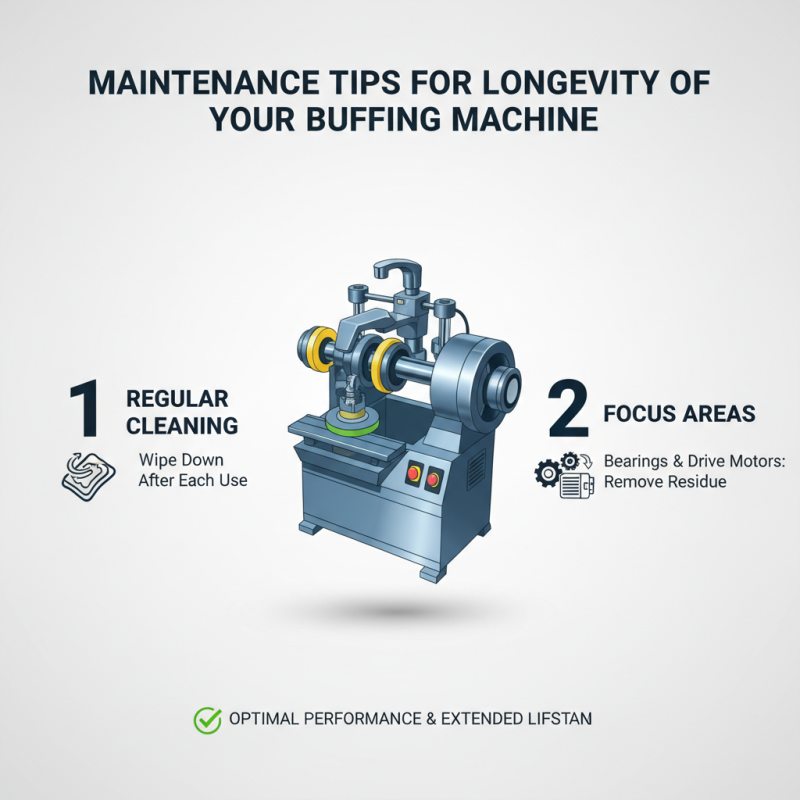
Maintaining a faucet buffing machine is crucial for achieving optimal results. Regular cleaning can significantly enhance its performance. After each use, wipe the machine down with a soft cloth to remove debris and dust. Pay special attention to the bearings and drive motors, as they can accumulate residue that affects efficiency.
Inspect the belts and pads regularly for wear and tear. Replace them if they show signs of damage. This simple check can prevent major breakdowns later. Make sure to lubricate moving parts every few months. This creates smoother operation and extends the machine’s lifespan. Keep a maintenance log. Jot down any issues and repairs to track your machine’s performance.
However, even with proper care, problems may arise. Sudden noises or vibrations can indicate internal issues. Address these problems promptly. Ignoring them may lead to complicated repairs. A proactive approach prevents costly downtime. Remember, attention to detail today leads to reliable performance tomorrow.