
News

Brass Dust Hazards
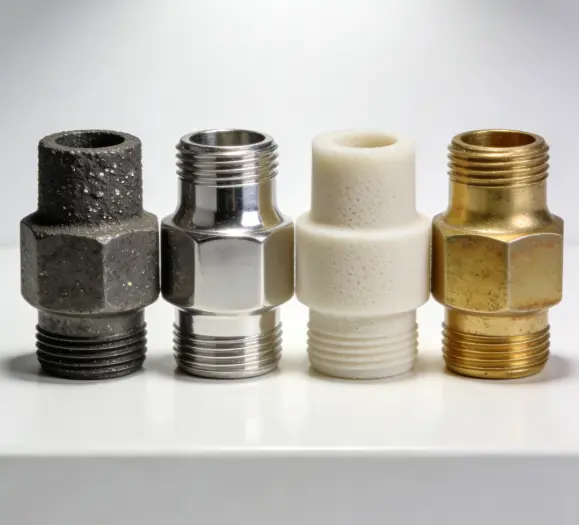
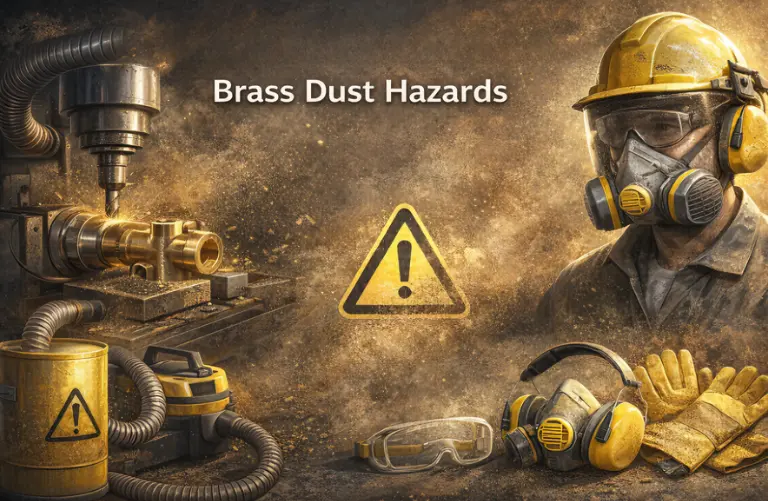
Brass is an alloy composed primarily of copper and zinc. During turning, drilling, milling, grinding, and polishing processes, fine metallic particles are generated. These airborne particles are referred to as brass dust.
Because these particles are extremely fine—sometimes microscopic—they can be easily inhaled and pose potential health risks.
Common Casting Defects
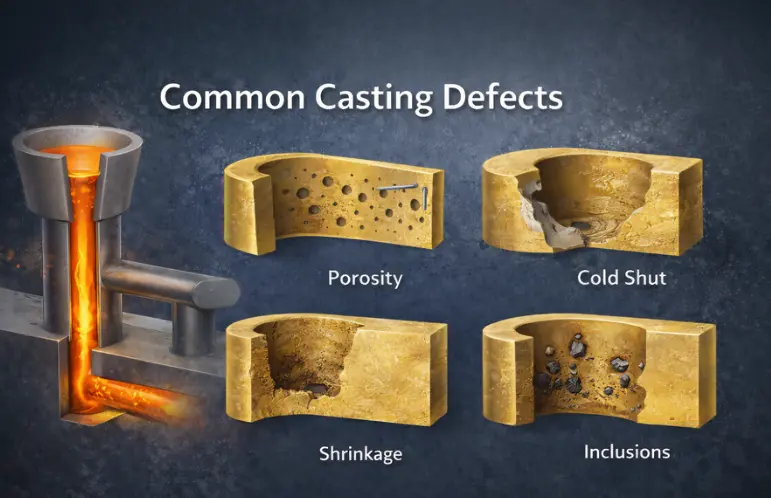
In casting production, even with advanced equipment and mature processes, quality defects may still occur.
Understanding defect types, root causes, and preventive measures is essential for improving quality and reducing rejection rates.
Gating System Explained
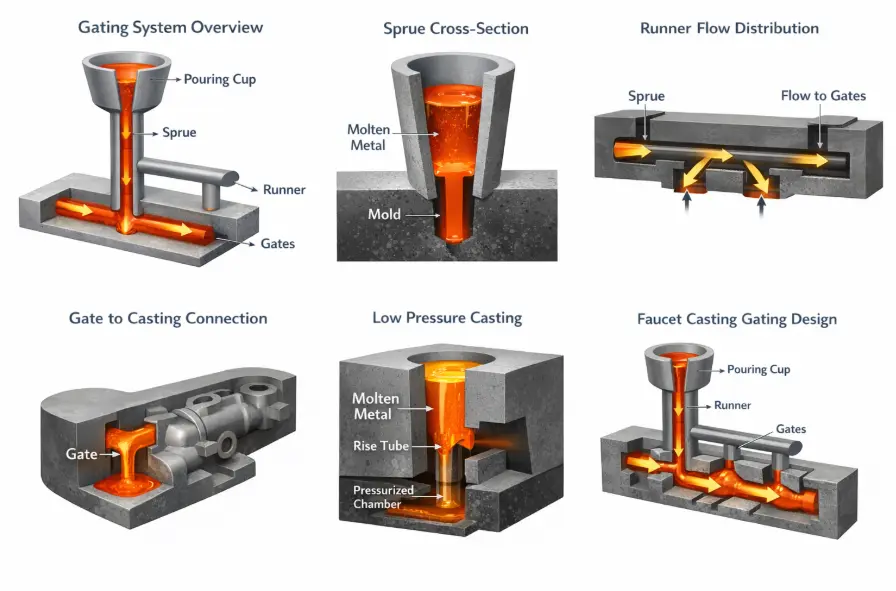
In casting processes, how molten metal flows into the mold directly determines casting quality.
The structure responsible for guiding this flow is called the gating system.
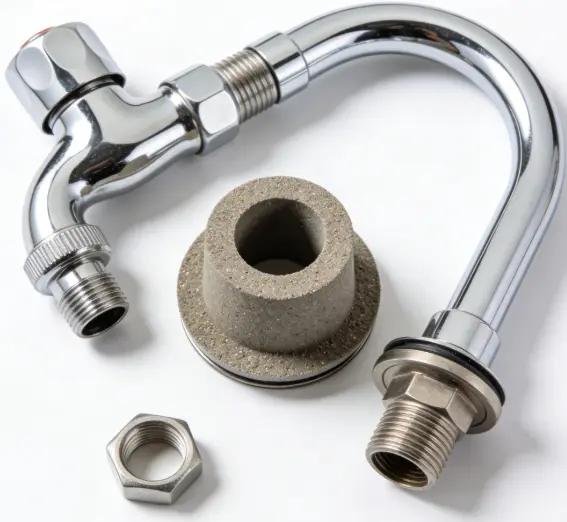
Especially for complex brass castings such as faucets and water meter housings, proper gating system design is critical.

Strengthening Team Spirit: Xiamen DingZhu Intelligent Equipment New Year Team Building & Annual Dinner
Xiamen DingZhu Intelligent Equipment successfully held a New Year team building and annual dinner event, featuring team games, a buffet dinner, and award ceremonies to showcase strong teamwork and people-oriented company culture.
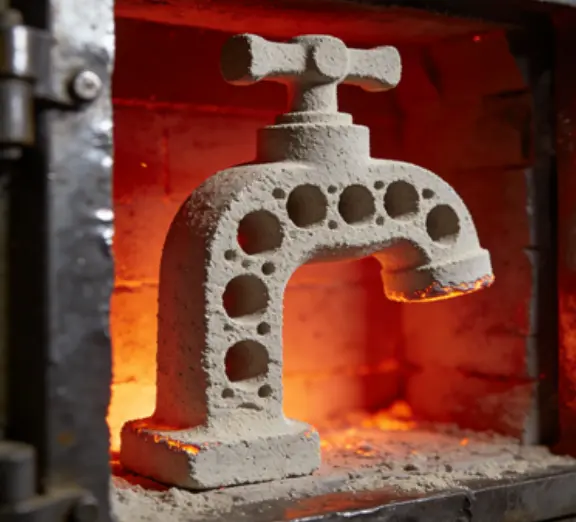
Sand Core Sintering
In casting processes, sand cores must not only have accurate shapes and dimensions but also maintain sufficient strength and stability under high-temperature molten metal.
Sand core sintering is the critical process that makes this possible.
Especially in high-temperature brass castings such as faucets and water meter housings, the quality of sand core sintering directly affects internal structures and yield rates.