Discover the Benefits of Automated Polishing Systems for Optimal Efficiency?
In today's fast-paced manufacturing environment, the need for efficiency is paramount. The Automated Polishing System stands out as a revolutionary solution for enhancing workflow and productivity. By integrating advanced technology, these systems streamline the polishing process, reducing manual labor and minimizing errors.
These automated solutions not only improve accuracy but also ensure consistency in product quality. Traditional polishing methods can lead to uneven results, leaving much to be desired. In contrast, an Automated Polishing System can consistently achieve high standards, fostering trust in the final products.
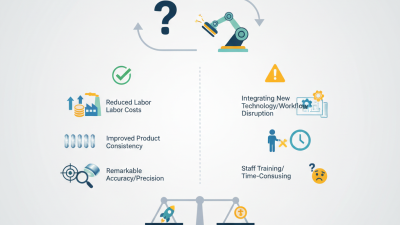
However, implementing such systems requires careful consideration. While they offer numerous advantages, the initial investment can be daunting. Businesses must weigh the long-term benefits against upfront costs. Investing wisely in these automated systems can lead to significant gains in efficiency and reliability, proving their worth over time.
Overview of Automated Polishing Systems and Their Functionality
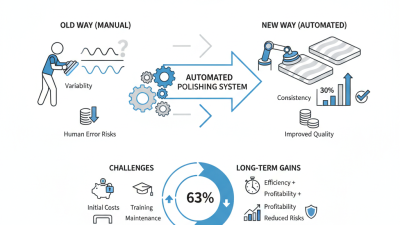
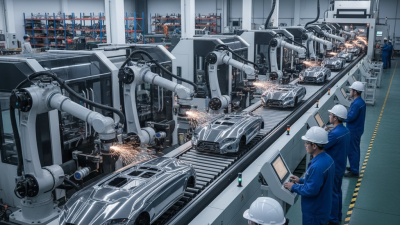
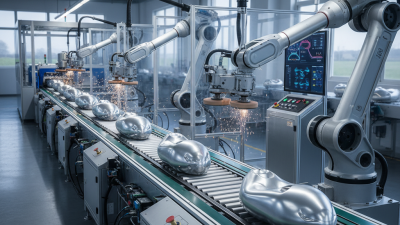
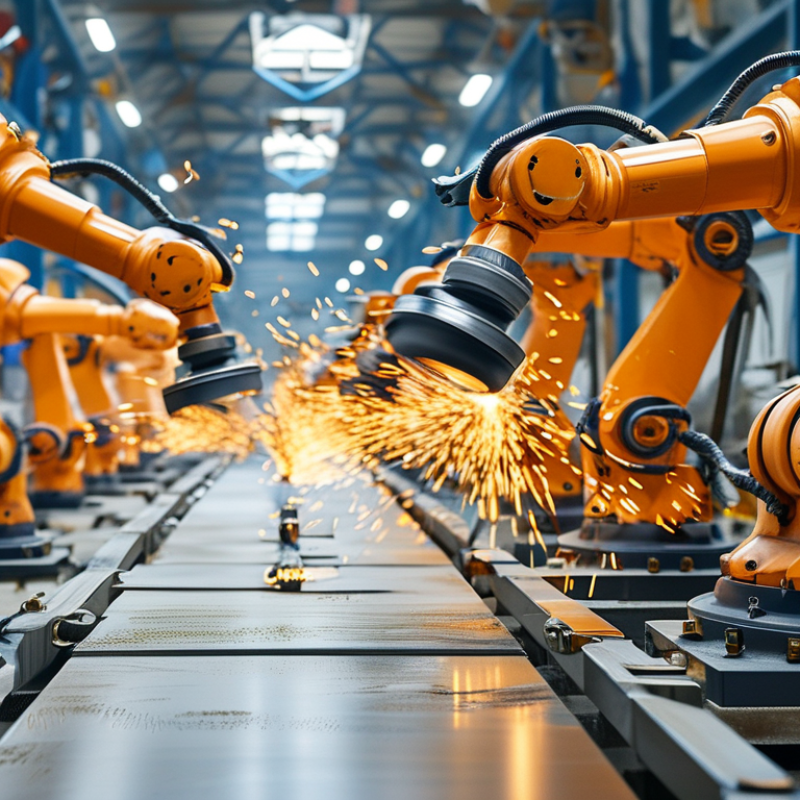
Automated polishing systems are becoming essential in various manufacturing processes. These systems enhance productivity and precision. They use advanced robotics and precision tools to ensure consistent results. Automated polishing can significantly reduce labor costs and increase output. With less manual intervention, the risk of human error is minimized.
Tip: Regular maintenance of automated systems is crucial. It may seem tedious, but it prevents unexpected downtimes and costly repairs. Operators should also be trained thoroughly. Their understanding of the systems can improve efficiency.
These technologies are not without challenges. Initial setup costs can be high. Integration into existing workflows may require strategic planning. It’s important to assess the long-term benefits against these initial hurdles. Additionally, employees must adapt to a new environment, which can be daunting at first. Continuous evaluation of the system’s performance and employee feedback will ensure optimal use.
Key Benefits of Implementing Automated Polishing Systems in Industries
Automated polishing systems bring significant advantages to various industries. These systems not only enhance efficiency but also improve the overall quality of the polishing process. By minimizing human error, they ensure a consistent finish on products. This consistency is crucial in industries where precision is key, such as automotive and aerospace.
Furthermore, automated systems reduce labor costs. With machines handling the bulk of polishing tasks, workers are free to focus on more complex operations. This shift not only optimizes productivity but also boosts workplace morale. Employees may find their roles more engaging as they tackle skilled tasks rather than repetitive actions.
However, adopting automated systems isn't without challenges. Initial setup costs can be steep, and integration into existing workflows may be complex. Companies must invest time and resources for proper training and maintenance. Reflecting on these aspects is essential. While such systems promise efficiency, they require thoughtful implementation to truly reap their benefits.
Discover the Benefits of Automated Polishing Systems for Optimal Efficiency
| Benefit |
Description |
Impact on Efficiency |
| Consistency |
Automated polishing systems ensure uniform results across batches, reducing variability. |
Increases throughput by minimizing rework and scrap. |
| Speed |
Faster operation compared to manual polishing methods. |
Significantly reduces processing time for polishing tasks. |
| Labor Cost Reduction |
Less manual intervention required, leading to lower labor costs. |
Allows reallocation of workforce to higher-value tasks. |
| Quality Control |
Integrated sensors and controls maintain quality standards throughout operations. |
Minimizes defects and enhances product quality. |
| Scalability |
Easily adjustable for varying production volumes and different parts. |
Facilitates adaptability to market demand. |
Comparison of Automated vs. Manual Polishing Methods: Efficiency Insights
Automated polishing systems are revolutionizing efficiency in various industries. According to a report by the International Journal of Advanced Manufacturing Technology, automation can enhance production speed by up to 40%. This shift not only streamlines the polishing process but also reduces labor costs.
Conversely, manual polishing methods often fall short in consistency. A survey from the Polishing Industry Association reported that 70% of manual polishers admit to variations in quality. Human errors, fatigue, and skill disparities contribute to this inconsistency. While manual methods allow for intricate detailing, they require extensive training and experience. These factors can lead to longer production times and increased waste.
However, it’s important to note that not all polishing tasks are suitable for automation. Some intricate designs still benefit from the human touch. Balancing automation with skilled craftsmanship is crucial. As industries evolve, continually assessing the right approach will foster both efficiency and quality. Identifying areas where automation excels and where manual techniques shine will define the future of polishing processes.
Impact of Automated Polishing on Quality Control and Consistency
Automated polishing systems greatly enhance quality control and consistency in manufacturing processes. These systems utilize precise algorithms to ensure that every surface receives uniform treatment. The capability to replicate the same results across numerous products leads to an impressive level of consistency. In industries where aesthetics are critical, this technology makes a significant difference.
However, there are challenges that must be confronted. While automation reduces human error, it can also overlook subtle imperfections. For example, an automated system might not detect slight variations in material texture that a skilled operator would notice. Regular monitoring and adjustments are essential to maintain the desired quality levels. This requires a thoughtful balance between human oversight and machine efficiency.
Despite these challenges, the benefits often outweigh the drawbacks. Manufacturers can rely on these systems for enhanced productivity. Automated polishing also minimizes the time spent on inspections and corrections. Yet, ongoing training for staff is vital. It ensures that human expertise complements machine precision, leading to optimal results in quality and efficiency.
Cost-Effectiveness and ROI of Adopting Automated Polishing Solutions
Automated polishing systems have transformed the manufacturing landscape by enhancing cost-effectiveness. Industry reports indicate that businesses adopting these solutions can see a return on investment (ROI) of up to 50% within the first year. This figure stems from reduced labor costs and minimized material waste. The efficiency gained through automation leads to less downtime and a higher throughput in production processes.
Moreover, automated systems ensure consistent quality in polishing processes. A study from the American Society of Manufacturing Engineers shows that manual polishing can result in variability, often leading to increased rejection rates. By utilizing automation, companies reduce the risk of human error, ensuring uniform results every time. However, initial investment costs can pose challenges. Companies need to analyze their budgets carefully to avoid financial strain. Exploring leasing options or gradual integration can mitigate these concerns.
In terms of maintenance, automated systems require less frequent intervention. However, regular training is crucial for staff to maximize system capabilities. Companies may face hesitation due to the perceived learning curve. Proper training and incremental implementation can address these concerns, steering businesses toward a smoother transition. Investing in automated polishing systems ultimately leads to enhanced productivity, provided companies remain mindful of their unique operational challenges.