How to Choose the Best Automated Polishing Machine for Your Needs?
Choosing the right Automated Polishing Machine can significantly impact your production line. According to David Chen, an industry expert with over 20 years of experience, “Selecting the right polishing machine is crucial for achieving high-quality finishes.” It's not just about the price; it's about how well the machine meets specific needs.
An effective Automated Polishing Machine should enhance efficiency and product quality. Many machines offer various features that can be overwhelming. Some users may choose based solely on brand reputation, overlooking essential functionalities. It's crucial to evaluate each machine based on precise polishing requirements and materials used.
Customizability and ease of use are other important factors to consider. Machines that adapt to different tasks may provide better value. However, complexity can also lead to operational errors if not managed well. Reflecting on weaknesses in one’s production process can guide better decisions in choosing the right machine. Making a thoughtful choice in selecting an Automated Polishing Machine can save time and resources in the long run.
Understanding Your Polishing Needs and Requirements
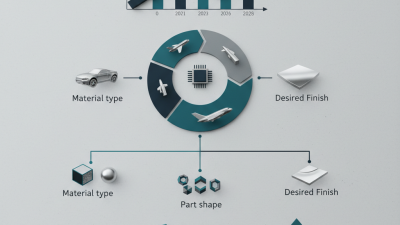
When selecting an automated polishing machine, understanding your specific needs is vital. Different projects require different approaches. For instance, consider the materials you'll be polishing. Metals, plastics, and wood each have distinct finishing requirements. Identifying the type of material ensures that you choose a machine with suitable capabilities.
Additionally, think about the scale of your operations. Small workshops might benefit from compact models, while larger facilities may need heavy-duty machines. Reflect on the frequency of use. If you plan to polish frequently, durability should be a key factor in your decision.
Tips: Always check machine specifications against your material types. Testing machines in real-time settings can reveal their true performance. Don't overlook customer reviews; they often highlight potential flaws and advantages that you might miss.
Types of Automated Polishing Machines Available in the Market
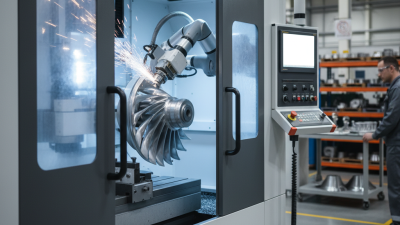
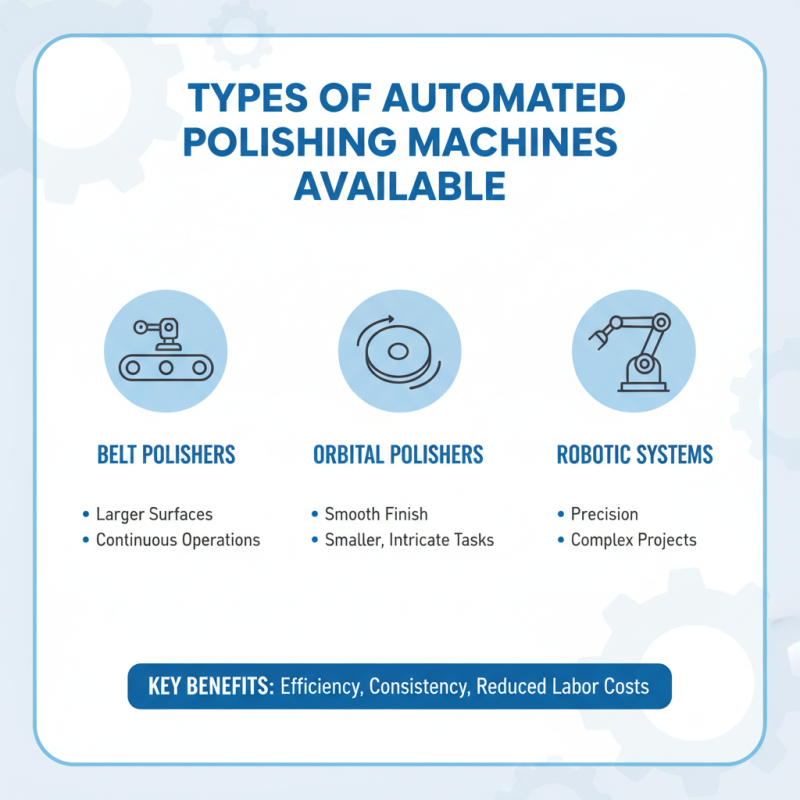
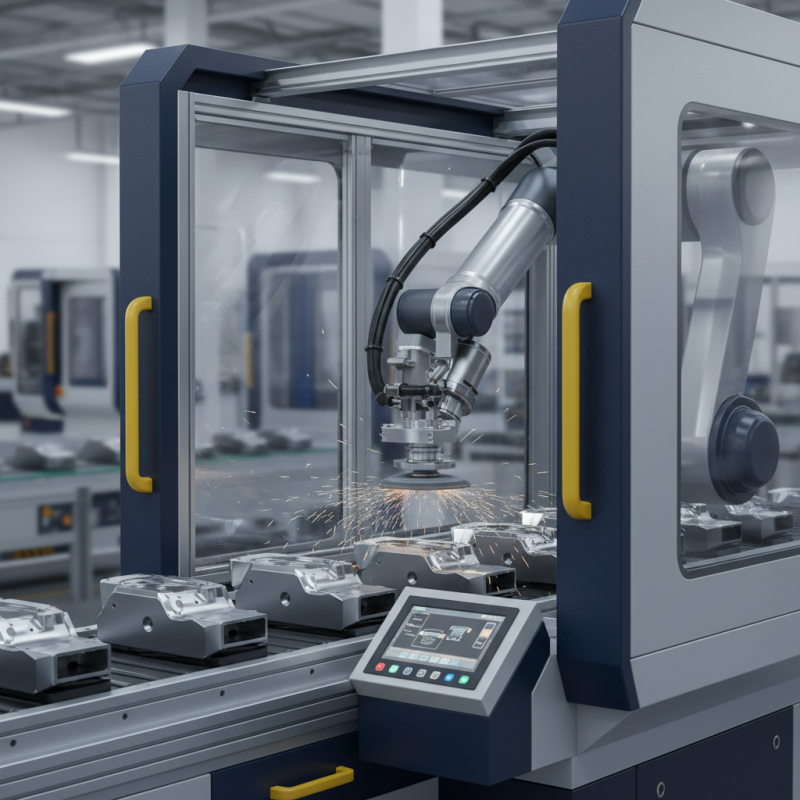
Automated polishing machines come in various types, each suited for different needs. The most common types include belt polishers, orbital polishers, and robotic systems. Belt polishers are great for larger surfaces and continuous operations. Orbital polishers provide a smooth finish and are often used for smaller, intricate tasks. Robotic systems offer precision and can be programmed for specific tasks, making them ideal for complex projects.
When choosing an automated polishing machine, consider the material you will be working with. Different materials require specific polishing techniques. For example, metals may need more aggressive polishing, while wood can require careful handling. It's essential to evaluate the machine's speed and power. A machine that is too powerful might damage delicate surfaces.
Tips: Always test the machine on a small area first. This helps you understand how it interacts with the material. Keep the workspace clean to avoid contamination. Regular maintenance of the machine ensures its longevity and consistent performance. Take time to compare different machines and gather user reviews. This can aid in making a more informed decision.
Key Features to Consider When Selecting a Polishing Machine
When selecting an automated polishing machine, key features should be at the forefront of your decision. Assess the machine's ease of use. User-friendly controls can save training time and reduce errors. A machine that requires complex setups may lead to frustration. Consider the size and weight too, as these affect maneuverability and storage.
Another essential feature is versatility. The best machines can handle various materials and tasks. If you need to switch between tasks, adaptability is crucial. Look for attachments or settings designed for different surfaces. Limited functions might restrict productivity and create workflow bottlenecks.
Tips: Always check for customer reviews and testimonials. Real user experiences can highlight strengths and weaknesses. Also, inquire about maintenance requirements. A machine that seems easy to operate can demand high upkeep, impacting your overall efficiency. Ensure the product fits your long-term operational needs. Reflecting on your specific requirements will guide the best choice.
Expert Tips for Integrating a Polishing Machine into Your Workflow
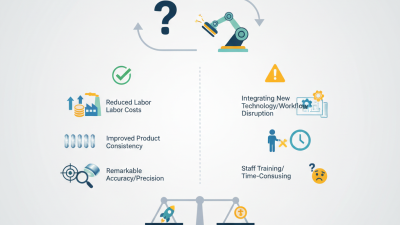
Integrating an automated polishing machine into your workflow can streamline your processes significantly. When considering how to do this effectively, take time to examine your specific needs. Look closely at the materials you work with. Different materials might require different polishing methods and tools. Be honest about your current challenges. A machine that fits your workflow might also have a learning curve.
**Tip:** Identify the types of finishes you require. Consistency is key in producing high-quality work. Choose a machine that can deliver the level of detail you need without compromising efficiency. Sometimes, a high-speed machine can be counterproductive. Slower machines might offer better results for intricate tasks.
Another factor to think about is workforce training. Even the best machine won’t perform well without proper training. Workers must understand how to use it effectively. Investing in training can prevent mistakes that were costly in time and materials. Regular feedback will also help identify any issues early on.
**Tip:** Schedule routine maintenance checks. This keeps the machine in top condition and extends its lifespan. Routinely reviewing performance can reveal areas for improvement, ensuring you adapt to changing demands.
Automated Polishing Machine Features Comparison