Why Choose a Cnc Die Casting Machine for Your Manufacturing Needs?
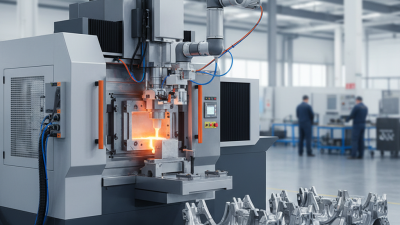
In today's manufacturing landscape, selecting the right tools is crucial for efficiency and quality. A CNC Die Casting Machine stands out in this arena. The global die casting market is projected to grow at a rate of 6.2% CAGR, reaching $90 billion by 2026. This demand reflects the increasing reliance on precision-engineered components across various industries, including automotive and aerospace.
CNC Die Casting Machines offer several advantages. They enhance production speed and minimize waste, leading to cost savings. According to an industry report, companies that adopted CNC technology reported a 30% increase in productivity. However, not all manufacturers take full advantage of these machines. Some still rely on outdated methods, missing out on potential gains.
Investing in a CNC Die Casting Machine requires careful consideration of factors like capacity and material compatibility. While the upfront cost may seem high, long-term benefits often outweigh this. Nonetheless, manufacturers need to evaluate their specific needs and market conditions. An informed decision can lead to significant competitive advantages.
Benefits of CNC Die Casting Machines in Precision Manufacturing
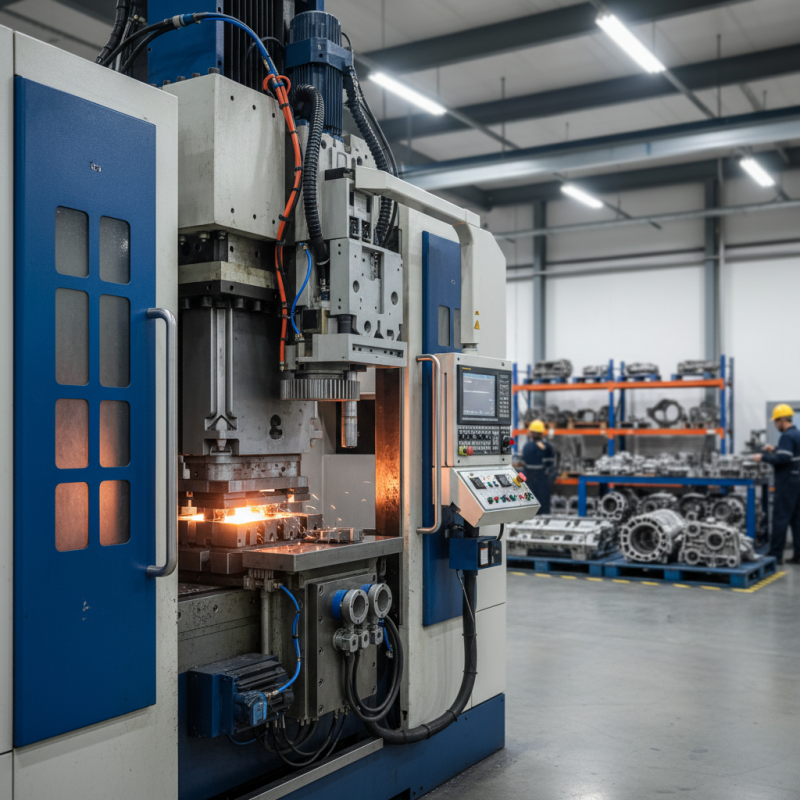
CNC die casting machines offer significant advantages in precision manufacturing. These machines ensure high accuracy and consistency, crucial for industries demanding tightly toleranced parts. Using computer numerical control (CNC) technology allows for intricate designs that traditional methods cannot achieve. The repeatability of CNC processes also minimizes human error, enhancing product reliability.
Precision is not the only benefit. CNC machines can handle a wide range of materials, from aluminum to zinc, catering to diverse manufacturing needs. The automated nature of CNC die casting increases production efficiency. However, companies must maintain the machines properly, as neglect can lead to defects. Regular maintenance schedules can mitigate potential issues, but they require time and resources.
Additionally, the initial investment in CNC die casting can be substantial. Not all businesses might see immediate returns. It’s vital to assess specific manufacturing requirements before committing to CNC technology. Understanding your production volume and part complexity can guide this decision. While CNC die casting presents challenges, its benefits often outweigh the drawbacks when implemented thoughtfully.
Key Features and Specifications of CNC Die Casting Technology
CNC die casting technology has become a crucial player in modern manufacturing. It offers several key features that enhance production efficiency and product quality. One notable advantage is precision. CNC machines can create complex shapes and designs with tight tolerances of less than 0.01 mm. This precision reduces the need for post-processing, saving time and resources.
Another significant feature is automation. Using CNC technology allows manufacturers to produce parts with minimal human intervention. According to a 2022 industry report, automated processes can increase production rates by up to 50%. Such efficiency is critical for meeting high demand in sectors like automotive and electronics.
Durability and material versatility stand out as well. CNC die casting accommodates various alloys, including zinc, aluminum, and magnesium. Each material offers unique benefits, such as lightweight structures or enhanced heat resistance. However, navigating these options can be challenging. Manufacturers must carefully evaluate which material suits their specific applications. The reliance on CNC technology raises questions about potential machine failures. Regular maintenance and skilled operators are needed to ensure optimal performance and avoid costly downtime.
Comparison of CNC Die Casting vs. Traditional Die Casting Methods
CNC die casting machines offer significant advantages over traditional methods. With a precision that can reach within 0.01 mm, these machines provide enhanced accuracy. This is crucial for industries such as aerospace and automotive, where even minor defects can lead to catastrophic failures. Traditional die casting, on the other hand, often struggles with dimensional accuracy, resulting in higher scrap rates.
A recent industry report highlighted that CNC die casting can reduce production time by up to 30%. This efficiency translates into lower operational costs, making it an attractive option. Traditional processes frequently face delays due to manual setup and adjustments. Meanwhile, CNC machines provide consistent quality across batches, reducing variability.
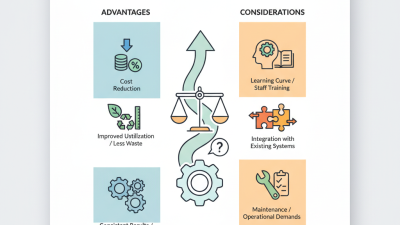
But not everything is perfect. The initial investment for CNC technology is higher, which can deter small manufacturers. There's also a learning curve associated with operating advanced machinery. Maintenance of CNC systems can be demanding. Nonetheless, the long-term benefits often outweigh these initial challenges. Adopting CNC die casting can lead to significant improvements in production efficiency and product quality.
Why Choose a CNC Die Casting Machine for Your Manufacturing Needs? - Comparison of CNC Die Casting vs. Traditional Die Casting Methods
| Feature |
CNC Die Casting |
Traditional Die Casting |
| Production Speed |
High |
Moderate |
| Precision |
High (+/- 0.01mm) |
Lower (+/- 0.1mm) |
| Material Versatility |
Broad |
Limited |
| Tooling Costs |
Higher |
Lower |
| Setup Time |
Low |
High |
| Post-Processing Needs |
Minimal |
Higher |
| Environmental Impact |
Lower |
Higher |
Industry Statistics on Cost Efficiency and Production Speed
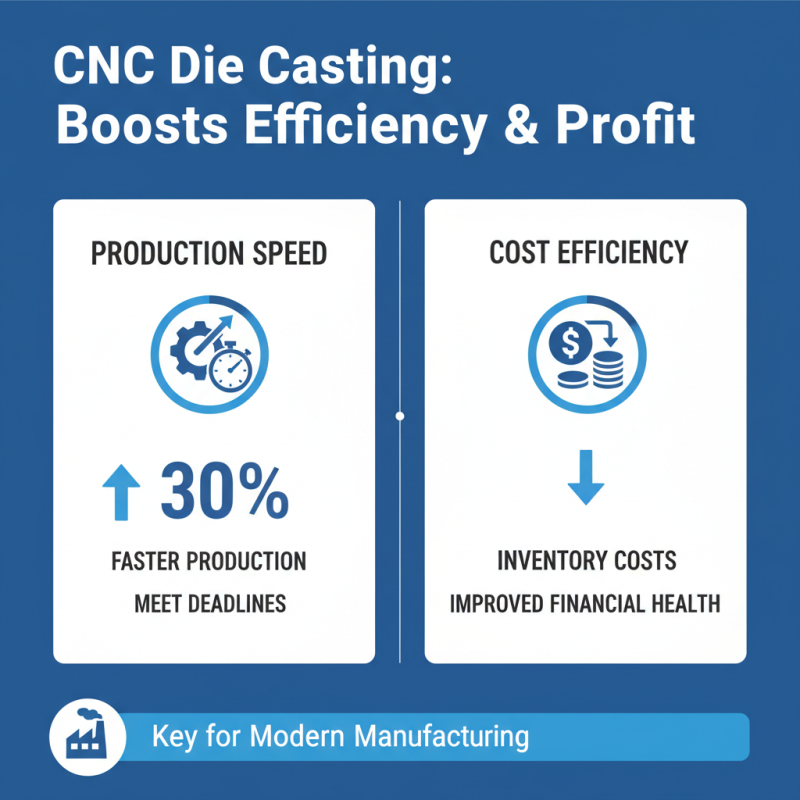
Choosing a CNC die casting machine offers significant advantages for manufacturing. Industry statistics indicate that these machines can improve production speed by up to 30%. This efficiency is crucial for companies aiming to meet tight deadlines. When speed increases, inventory costs often decrease, leading to better overall financial health.
Furthermore, cost efficiency is a key factor in production. CNC die casting can reduce waste material by nearly 10%. This reduction not only cuts costs but also aligns with sustainability goals. Companies are increasingly aware of their environmental impact. Yet, transitioning to new technology can be challenging. Training staff and adjusting workflows may cause initial slowdowns.
It's vital to consider the potential learning curve. There are always unforeseen challenges when implementing advanced machinery. Companies should invest in training to maximize the benefits of CNC die casting. Ultimately, the commitment to advance with technology may lead to remarkable long-term gains.
Application Areas for CNC Die Casting in Modern Manufacturing
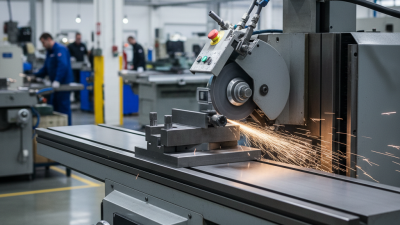
CNC die casting technology is revolutionizing modern manufacturing. This method excels in producing high-precision parts, particularly in automotive and aerospace sectors. For example, the global CNC die casting market is projected to reach $12 billion by 2025, driven largely by the demand for lightweight components in vehicles. Many companies find that the repeatability of CNC die casting leads to reduced scrap rates and lower production costs.
Industries such as electronics also benefit from CNC die casting. These components require exact specifications to ensure functionality and durability. High-performance alignments in die casting allow manufacturers to meet stringent quality standards, contributing to overall product reliability. However, not every project may benefit from CNC die casting. Some think it’s always the best option, but in low-volume scenarios, traditional casting methods might suffice.
Tips: Assess your production volume before choosing a die casting method. Consider potential design complexities which could influence manufacturing costs. Keep in mind that not all materials are suitable for CNC die casting. Evaluate your project for the best match. Your manufacturing needs should guide your decision-making process. Understanding these factors can bridge gaps in your production strategy, ensuring efficiency and quality.
Application Areas for CNC Die Casting in Modern Manufacturing