Why Choose a Gravity Pour Casting Machine for Your Manufacturing Needs?
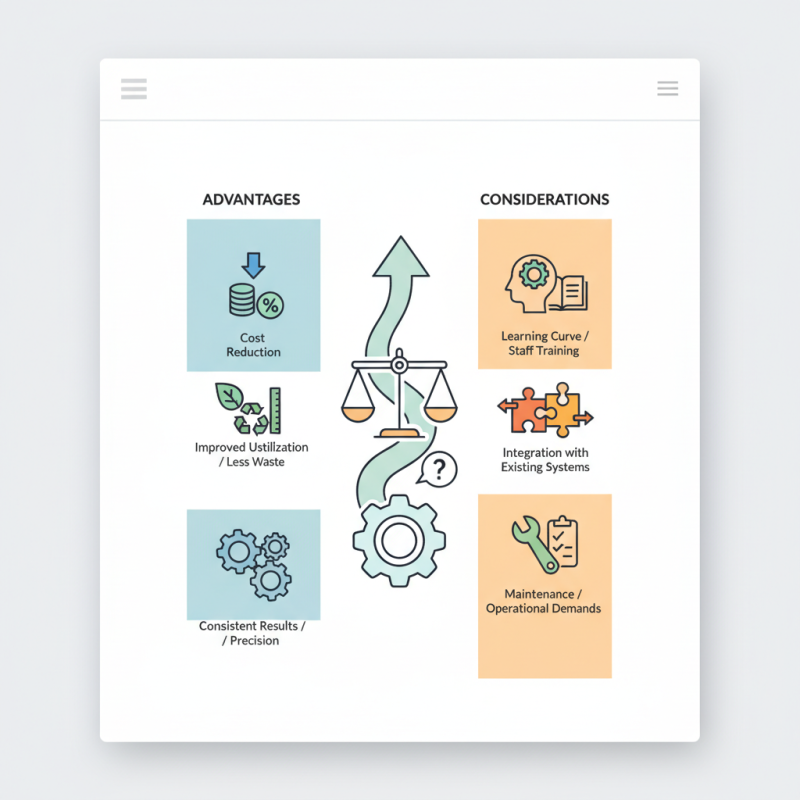
In today’s competitive manufacturing landscape, the choice of production methods significantly impacts quality and efficiency. Many companies are turning to Gravity Pour Casting Machines to enhance their operations. According to industry reports, this method can reduce costs by up to 30%. Additionally, it improves material utilization, leading to less waste.
Gravity Pour Casting Machines offer consistent results, which is critical for high-volume production. The precision in these machines ensures that specifications are met every time. However, it’s essential to consider the learning curve in adopting such technology. Transitioning to new machinery can present challenges. Training staff and integrating with existing systems requires time and resources.
Reliability is a key factor in manufacturing. Gravity Pour Casting Machines, while offering efficiency, demand rigorous maintenance and checks. Businesses must balance the benefits with the operational demands they create. Making an informed decision hinges on understanding both the advantages and potential drawbacks, ensuring that the choice truly aligns with manufacturing needs.
Benefits of Gravity Pour Casting in Precision Manufacturing
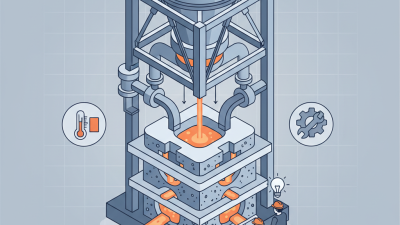
Gravity pour casting is gaining traction in precision manufacturing due to its unique benefits. This method utilizes gravity to drive molten metal into molds, ensuring greater accuracy and finer details. By eliminating the need for pressurized systems, manufacturers reduce costs and complexity. The simplicity of the setup makes it an attractive option for small to medium-sized operations.
Consider the precision offered by gravity pour casting. It excels at producing intricate shapes with smooth finishes. Such quality can elevate the final product. However, achieving this requires careful control of pouring speed and angle. Small mistakes can lead to flaws. It's necessary to monitor these parameters closely, as even minor adjustments can significantly impact results.
Tips: Maintain a consistent pouring temperature. This helps prevent defects. Regularly inspect molds for wear and tear. Over time, mold quality can degrade. Addressing these issues promptly can sustain casting accuracy and prolong equipment life. Always document procedures. This creates a reliable reference for operators and can improve training.
Why Choose a Gravity Pour Casting Machine for Your Manufacturing Needs? - Benefits of Gravity Pour Casting in Precision Manufacturing
| Feature |
Benefit |
Applications |
| Precision Control |
High dimensional accuracy and surface finish. |
Aerospace components, automotive parts. |
| Cost-Effectiveness |
Lower production costs due to reduced scrap rates. |
High-volume production runs, custom components. |
| Material Versatility |
Ability to cast a variety of metals with different properties. |
Industrial machinery, marine applications. |
| Reduced Lead Time |
Faster turnaround time for prototypes and production orders. |
R&D projects, limited series production. |
| Repeatability |
Consistent quality in large batches. |
Mass production of identical parts. |
Key Technological Features of Gravity Pour Casting Machines
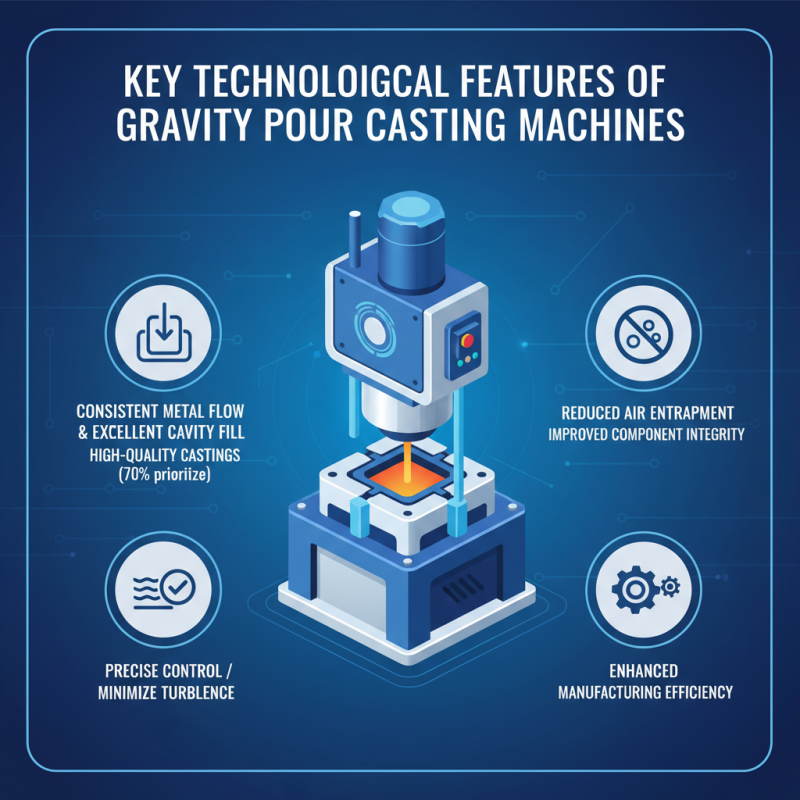
Gravity pour casting machines offer several distinct technological features that enhance manufacturing efficiency. One significant advantage is their ability to provide consistent metal flow and excellent cavity fill. This ensures high-quality castings with fewer defects, an essential factor noted in a recent industry report indicating that 70% of manufacturers prioritize casting quality. The machine's design allows for precise control over the pouring process, minimizing turbulence. This control ultimately leads to a reduction in air entrapment, a frequent issue that can compromise the integrity of cast components.
Another critical feature is the capability to handle a wide range of metal alloys. This flexibility is increasingly relevant, as market research shows a 15% annual increase in demand for diverse materials in casting. Additionally, modern gravity pour systems often incorporate advanced automation features, enhancing production speed. While these machines generally require an upfront investment, the long-term savings from reduced rework can be substantial. Reports suggest that manufacturers can achieve a return on investment within two to three years, depending on the application.
However, the technology is not without its challenges. Operators may need comprehensive training to achieve optimal results. Underestimating the skill required can lead to operational inefficiencies. Monitoring and maintenance are also crucial; neglecting these can diminish performance. Balancing these demands with production goals presents a complex challenge for manufacturers. Thus, while gravity pour casting machines can streamline processes, careful management of their implementation is vital for success.
Industry Statistics: Efficiency Gains with Gravity Pour Casting
Gravity pour casting has gained traction in various manufacturing sectors due to its efficiency. According to a recent industry report, businesses using gravity pour casting machines have reported a 20% increase in production speed. This method allows for precise control over metal flow, reducing the chances of defects. The elimination of pressure aids in creating complex shapes, offering manufacturers more design flexibility.
Additionally, data from a manufacturing survey highlights that companies implementing gravity pour casting experience a significant reduction in material waste. Reports show that waste can be cut by as much as 15%, leading to both cost savings and a smaller environmental footprint. This efficiency is crucial in today's competitive market, where every saved dollar counts.
However, transitioning to gravity pour casting isn't without challenges. Employees may require training to master the technique. Adapting existing processes takes time and careful management. Understanding these potential pitfalls is essential for those considering this approach. Choosing a gravity pour casting machine requires careful analysis, but the rewards can be substantial for manufacturers willing to invest in the transition.
Comparative Analysis: Gravity Pour Casting vs. Other Techniques
When considering gravity pour casting versus other techniques, the efficiency and precision of gravity pour casting stand out. This method uses gravity to fill molds, leading to fewer defects. According to industry reports, the defect rate for gravity pour casting can be as low as 2%, compared to 5-10% with techniques such as pressure die casting. Lower defects mean lower costs in rework and material waste.
Another advantage of gravity pour casting is its versatility. It allows for various metal types without sacrificing quality. Research indicates that foundries employing gravity pour casting see a 20% increase in production efficiency. However, the initial setup may require more time and investment, which some manufacturers find challenging. Transitioning to this technique may also involve a learning curve for staff.
Despite these advantages, gravity pour casting may not be suitable for all applications. For parts requiring extremely tight tolerances, alternative methods such as investment casting may be preferable. Understanding the unique requirements of each project is essential. Balancing the benefits and limitations of gravity pour casting ensures the chosen technique aligns with manufacturing goals.
Cost-Benefit Factors Influencing Gravity Pour Casting Machine Selection
When considering manufacturing solutions, gravity pour casting machines stand out for their cost-effectiveness. These machines utilize gravitational force to fill molds, which reduces energy expenses. The initial investment may seem high, but operational savings often exceed this upfront cost. The materials used in manufacturing are typically affordable, enhancing overall profitability.
Tips: Assess your production volume before purchasing. High-volume operations benefit most from gravity pour machines. Furthermore, consider the long-term costs. Expensive machines may lead to costly repairs or inefficiencies.
Another aspect is maintenance. Gravity pour casting machines require less stringent upkeep than other systems. However, regular checks are essential. Neglecting maintenance can lead to defects in the final product. Consider training staff to enhance reliability. Knowledgeable operators can spot issues early.
In essence, gravity pour casting machines present a viable option for many manufacturers. They offer significant financial advantages over time. While they may not be perfect for every scenario, their efficiency can lead to improved product outcomes and lower overhead.