What is a Gravity Fed Casting Machine and How Does It Work?
The Gravity Fed Casting Machine is an innovation in manufacturing. It allows for efficient production processes in various industries. Understanding how this machine works can greatly enhance the casting process.
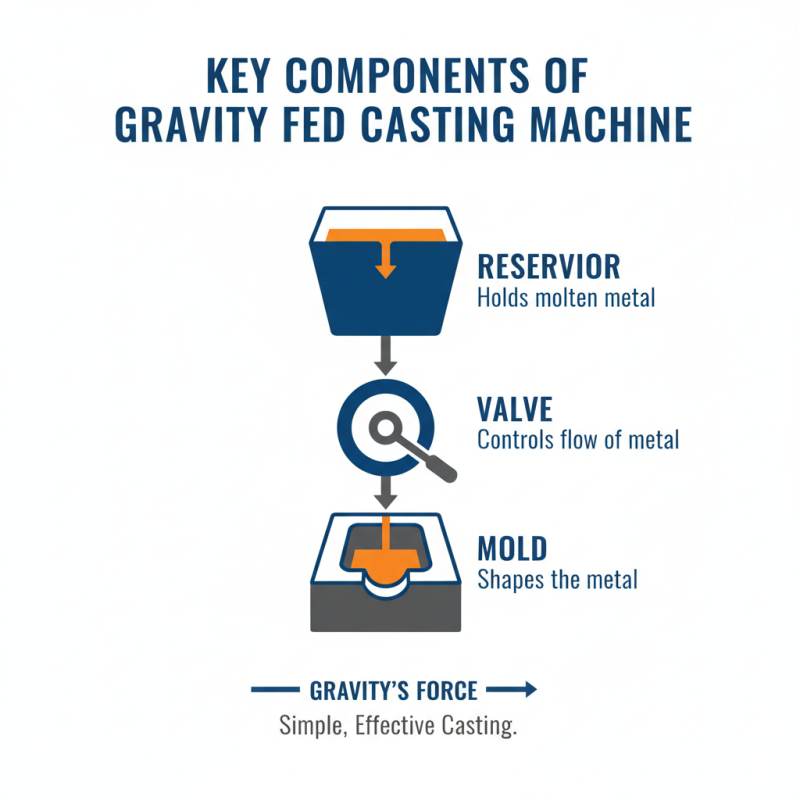
This machine utilizes gravity to feed molten metal into molds. It minimizes waste and maximizes efficiency. Key components include a reservoir for molten metal and a funnel for pouring. The simplicity of the design is one of its significant advantages. However, it requires careful calibration to ensure accuracy.
Operators must have expertise in handling these machines. Proper training ensures safe and effective usage. While the Gravity Fed Casting Machine offers many benefits, it also poses challenges. It can be sensitive to changes in temperature and pressure. Successful operation requires ongoing assessment and adaptation.
What is a Gravity Fed Casting Machine?
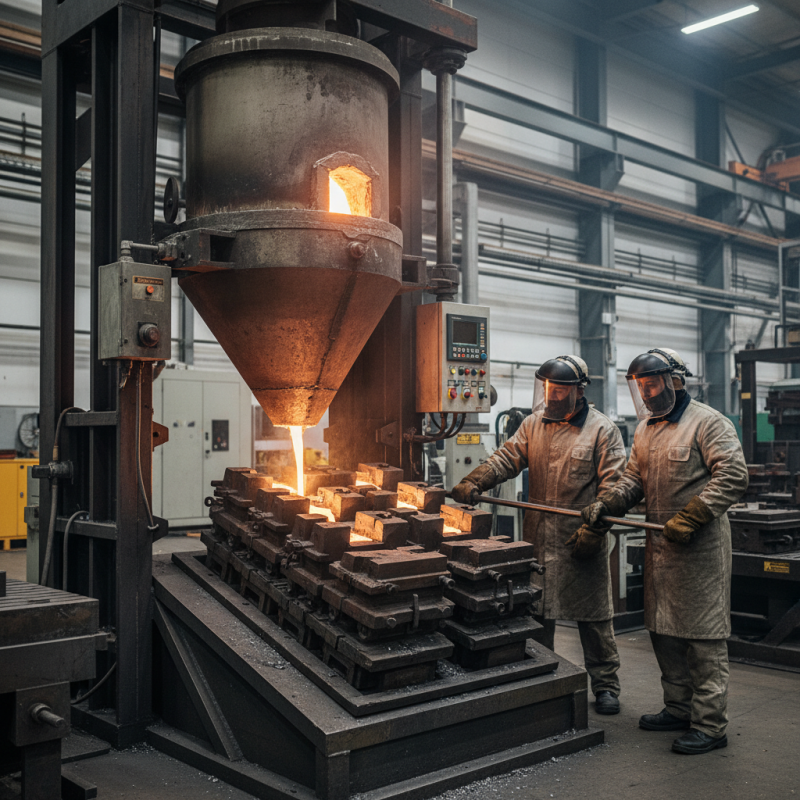
A gravity fed casting machine is a device essential in the metal casting industry. Its design focuses on efficiency and control, allowing molten metal to flow into molds without the need for pumps or external pressure. This method relies solely on gravity, a natural force that ensures a steady and predictable flow. By utilizing gravity, manufacturers can achieve more uniform casts and reduce the likelihood of defects.
In operation, the machine employs a simple hopper system filled with molten metal. Once the desired amount is reached, the metal flows through a channel into pre-prepared molds. This process is often slower than pump-fed systems, yet it provides better detail and reduces turbulence. The design can sometimes lead to challenges. For instance, if the mold isn’t properly aligned, inaccuracies can arise. Adjustments are crucial, highlighting the need for skilled operators who understand the mechanics involved.
Controlling temperature is another critical factor. Too hot, and the metal can flow too quickly, while too cool can cause blockages. Therefore, monitoring is essential throughout the process. Mistakes do happen, and when they do, reflection on these errors can inform future processes. Each casting session serves as a learning opportunity, enhancing overall expertise and precision.
What is a Gravity Fed Casting Machine and How Does It Work?
| Parameter |
Description |
| Material Used |
Common metals such as aluminum, zinc, and magnesium alloys. |
| Principle of Operation |
Relies on gravity to pour liquid metal into a mold. |
| Advantages |
Low energy consumption, high precision, and good surface finish. |
| Applications |
Used in automotive, aviation, and various industrial sectors for producing complex parts. |
| Mold Types |
Metal molds, ceramic molds, or sand molds can be used depending on the application. |
| Cooling Time |
Typically varies from seconds to minutes depending on the material and thickness of the cast. |
How Gravity Works in the Casting Process
Gravity plays a vital role in the casting process, especially in gravity fed casting machines. These machines utilize the natural force of gravity to facilitate the flow of molten material into molds. This method is widely used in industries such as aerospace and automotive, where precision is crucial.
Studies suggest that around 70% of casting defects are due to improper flow of molten metal. Gravity fed systems help mitigate these risks by ensuring a steady flow. The molten metal is poured from a height, allowing it to fill cavities efficiently. This process not only enhances the quality of the final product but also reduces costs associated with defects.
However, challenges still exist. The angle and height of the pouring must be carefully calculated. Too steep an angle can lead to turbulence, while too shallow can cause incomplete filling. Continuous monitoring of temperature is also critical to maintain consistency. Despite advancements, the gravity fed method requires constant evaluation and adjustment.
Gravity Fed Casting Machine Efficiency
This chart illustrates key metrics involved in the gravity fed casting process, including melting temperature, cooling time, pouring time, and defect rate. These factors are crucial for optimizing the efficiency and quality of casting operations.
Step-by-Step Operation of a Gravity Fed Casting Machine
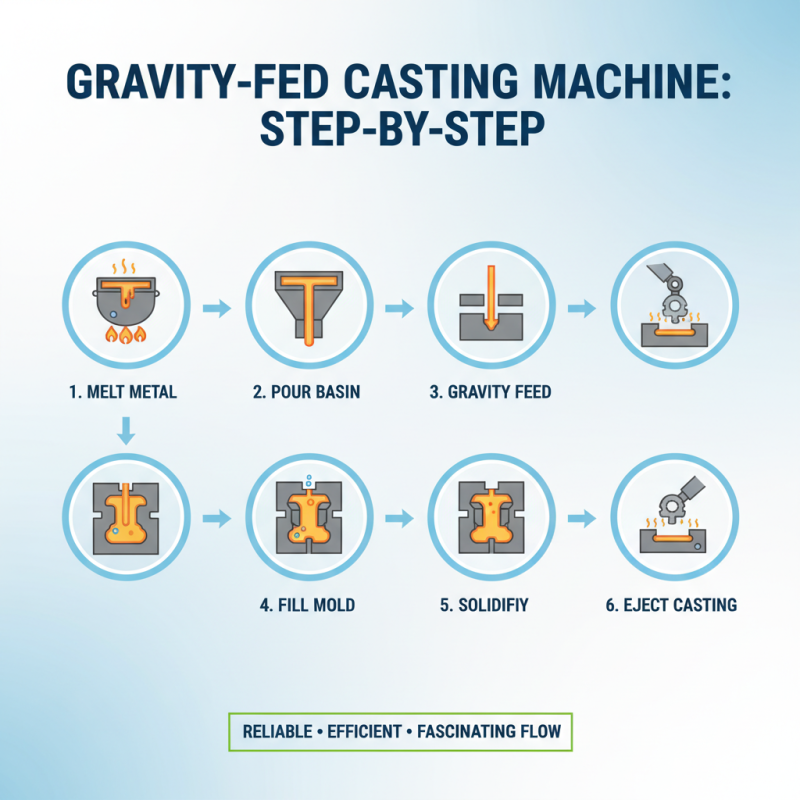
A gravity fed casting machine operates through a simple yet effective design. It utilizes the force of gravity to deliver molten metal into molds. This method is often preferred for its reliability and efficiency. Watching the process can be fascinating as the liquid metal flows smoothly, filling every corner of the mold without excessive pressure.
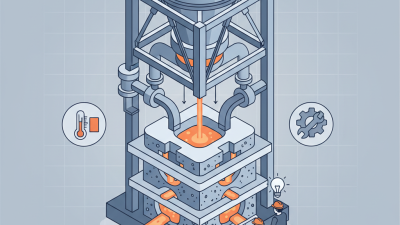
The operation begins with heating the metal until it becomes molten. The molten metal is then poured into a holding chamber. Gravity takes over as the metal flows down through a chute into the mold. Precision is key at this stage; even a slight miscalculation can lead to defects. The cooling process begins as the metal solidifies in the mold, creating the desired shape.
Despite its simplicity, challenges exist. Operators must consistently monitor the temperature and flow rate. Any fluctuations could alter the final product. Additionally, the machine design requires regular maintenance. Over time, wear and tear can affect its precision. Regular checks and adjustments are necessary to ensure accurate, reliable casting. The outcome is rewarding when everything aligns perfectly, highlighting both the machine's functionality and the operator's skill.
Benefits and Applications of Gravity Fed Casting Machines
Gravity Fed Casting Machines offer numerous benefits across various industries. These machines utilize gravity to efficiently feed molten metal into molds. This process reduces energy costs and minimizes manual handling. Workers benefit from enhanced safety due to reduced risk of spills and exposure to heat.
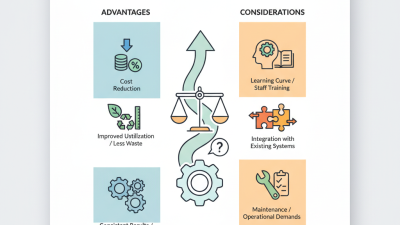
In the automotive and aerospace sectors, these machines ensure consistent production of intricate components. They can produce lightweight yet durable parts, crucial for performance. Additionally, gravity-fed systems can easily adapt to fluctuating production needs. However, implementing these systems may present challenges, such as the need for skilled operators and potential maintenance issues. It's essential to weigh these factors against the advantages for successful integration.