How to Choose the Right Automated Polishing Machine for Your Needs?
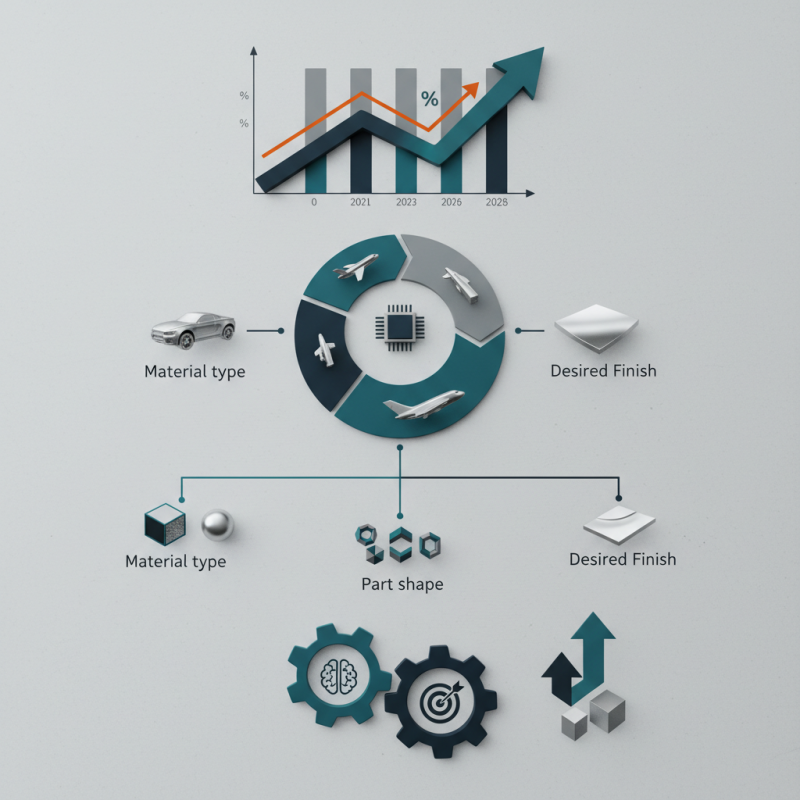
In today’s manufacturing landscape, efficiency is key. Companies are increasingly turning to the Automated Polishing Machine to meet their production needs. A recent report by Market Research Future indicates that the automated polishing equipment market is projected to grow at a compound annual growth rate (CAGR) of 7.5% from 2023 to 2030. This growth reflects the increasing demand for precision and quality in various industries such as automotive, aerospace, and electronics.
Choosing the right Automated Polishing Machine is not merely a matter of cost. It involves understanding specific operational requirements. Factors like material type, part shape, and desired finish greatly influence the decision-making process. Not all machines will deliver optimal results. Feedback from industry experts highlights that selecting the wrong machine can lead to increased operational costs and wasted time.
Investing in an Automated Polishing Machine is significant, yet blindly following trends can be risky. Proper research is essential to align machine capabilities with your production goals. Each company must reflect on its unique requirements and limitations. Embracing a thoughtful approach can optimize performance and ensure that the machine enhances productivity rather than hinders it.
Understanding Your Polishing Needs and Objectives
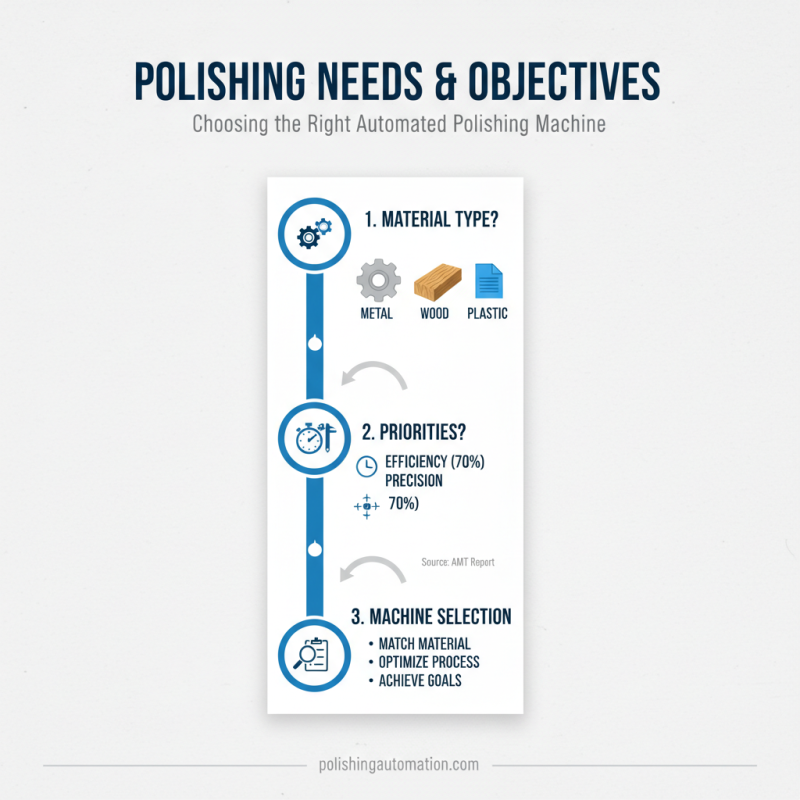
Choosing the right automated polishing machine begins with understanding your specific polishing needs and objectives. Are you polishing metal, wood, or perhaps plastic? Each material has distinct requirements. For instance, a report by the Association for Manufacturing Technology indicates that 70% of manufacturers prioritize efficiency and precision in their polishing processes.
Every type of polishing has its challenges. A machine that works well for one surface may not suffice for another. It's vital to clarify your goals: Are you aiming for high gloss or a satin finish? How crucial is speed versus quality in your operations? These objectives will dictate the type of machine best suited for your needs.
Tips: Assess your production volume and required finish. This helps in selecting a machine with the right speed and polishing capability. Additionally, seek machines that offer flexibility for different polishing tasks; adaptability can be a significant advantage. Always consult with experts or read industry reports. Observing common user experiences can guide you in making a more informed choice. Not every machine is perfect; some may have initial setup issues or require specialized training. Recognizing these potential hurdles early can save you time and money.
Types of Automated Polishing Machines on the Market
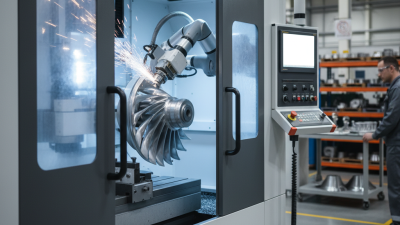
When selecting an automated polishing machine, it's essential to understand the various types available on the market. These machines can be categorized into manual, robotic, and CNC models. Each type has unique features tailored for specific tasks. For instance, robotic polishing machines excel in precision, beneficial for delicate components. According to a recent industry report, the global market for robotic polishing machines is expected to grow by 15% annually.
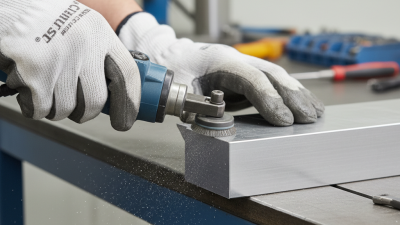
CNC polishing machines are known for their ability to handle complex surfaces with ease. They offer enhanced productivity, as detailed data indicates they can improve output by up to 30%. Manual machines, while less expensive, require more human intervention. Consider factors such as production volume and required finish quality when making a choice. An ideal choice matches your workshop tasks and budget.
Tips: Before purchasing, evaluate your workflow. Testing multiple machine types can reveal unexpected challenges. Regular training for operators is crucial, promoting safety and efficiency. Also, balance initial costs with long-term maintenance expenses. Reflecting on these aspects can lead to better decision-making and improved results.
Key Features to Consider in Automated Polishing Machines
Choosing the right automated polishing machine involves understanding key features. When selecting, consider machine versatility. Look for models that handle different materials effectively. Not all machines excel in polishing metal and plastic equally. Versatile machines can save you time and effort.
Another important feature is processing speed. A faster machine increases productivity, but speed isn’t the only factor. Consistent results matter as well. Some high-speed machines may sacrifice quality. Balance is crucial when evaluating options.
**Tips:** Test machines in real-world scenarios. Performance may differ under load. Evaluate customer reviews for authentic experiences. Don't settle for idealized promises. Features should match your specific needs, not just general trends in the market.
Key Features of Automated Polishing Machines
Evaluating Manufacturer Reputation and Customer Support
When selecting an automated polishing machine, evaluating the manufacturer's reputation is crucial. A strong reputation often correlates with high-quality products. According to a recent industry report, companies with positive customer reviews tend to have 30% higher performance ratings in their machines. This suggests that choosing a reputable manufacturer can significantly affect the efficiency and longevity of your equipment.
Moreover, customer support plays a vital role in the overall experience. A survey revealed that 65% of users prioritize responsive customer service when purchasing machinery. Manufacturers who provide comprehensive support, such as timely responses to inquiries and accessible maintenance resources, foster trust and reliability. High-quality machines from reputable sources may still falter without sufficient support systems in place. Understanding the scope of services offered can be as important as the machine’s technical specifications.
Consider looking for manufacturers with verified testimonials and case studies. These are often indicators of customer satisfaction. Engaging directly with past customers can yield real insights into their experiences. While a strong reputation sets a solid foundation, supportive follow-up services ensure that your operation runs smoothly over time.
Budgeting and Cost Considerations for Your Polishing Machine
When budgeting for an automated polishing machine, several factors play a crucial role. Research indicates that small to medium-sized businesses often allocate between $5,000 to $30,000 for entry-level machines. However, costs can quickly escalate for advanced models, reaching upwards of $100,000. This wide price range reflects differences in features, capacity, and brand reputation, which can complicate decisions.
It's essential to evaluate operational costs alongside the initial investment. A report by the International Association of Machinists suggests that a machine might have a lower upfront cost but incurs higher maintenance and energy expenses. This hidden cost can be up to 20% of the purchase price annually. Moreover, consider the resale value. Machines with advanced automation often retain value better than simpler models.
Selecting a machine based on budget isn't just about numbers. Think about how it will affect production. A cheaper machine might save money upfront but could compromise efficiency. Balancing initial costs and long-term productivity is vital. Ultimately, working closely with industry experts can help identify the most suitable choices for your specific needs.