Explore the Benefits of an Automated Polishing System Today?
In today's fast-paced manufacturing landscape, the need for efficiency is paramount. An Automated Polishing System can transform your production line. This technology streamlines polishing tasks, reducing time and labor costs.
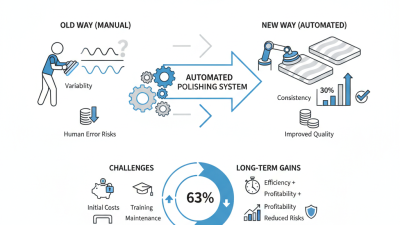
While many companies still rely on manual polishing, this can lead to inconsistencies. An Automated Polishing System ensures uniform results every time. Imagine enhancing product quality seamlessly. The precision of automation allows for an exceptional finish that manual processes often miss.
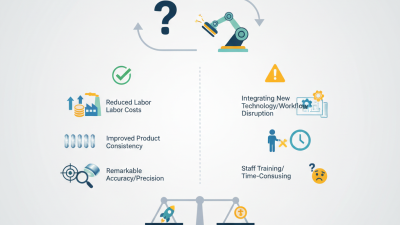
However, investing in an Automated Polishing System requires careful consideration. The initial setup may appear daunting, but the long-term benefits are significant. Reflecting on the shift from manual to automated processes reveals many potential pitfalls. A thoughtful approach can lead to remarkable improvements in productivity and quality.
Benefits of Automated Polishing Systems in Modern Manufacturing
Automated polishing systems are transforming modern manufacturing. These systems enhance efficiency and product quality. According to a report by IndustryWeek, manufacturers who implemented automation saw productivity increases of up to 30%. This boost comes from reducing manual labor and minimizing human error.
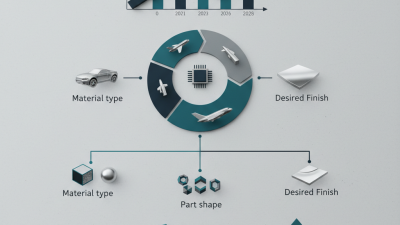
Moreover, automated systems ensure consistent polishing results. This is crucial in industries like aerospace and automotive where precision matters. A study from McKinsey highlights that 70% of manufacturers noticed improved surface finish quality. With specific algorithms, these systems adapt to the material properties effectively.
However, implementing automated systems can present challenges. Transitioning from manual to automated processes often requires significant investment and training. Workers may feel uncertain about job security. Continuous training is vital to integrate these technologies smoothly, ensuring that employees are equipped to handle new systems. Balancing automation with human expertise can create a robust manufacturing environment.
How Automated Polishing Systems Enhance Efficiency and Consistency
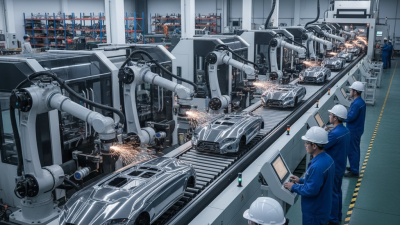
Automated polishing systems are revolutionizing manufacturing processes in various industries. They provide a level of efficiency and consistency that manual methods struggle to achieve. These systems utilize advanced technology to automate the polishing process. As a result, they reduce human error, which can often lead to varying product quality.
On the production floor, the benefits are glaring. Automated systems can work around the clock, leading to
higher output rates. However, it’s important to regularly monitor these machines. Occasionally, they encounter malfunctions or require recalibration. Such issues can disrupt workflow, emphasizing the need for skilled operators to oversee the process.
Moreover, the consistency provided by automation is striking. Each product receives equal treatment, resulting in uniformity essential for brand integrity. Still, there is a risk of over-reliance on these systems. Human intuition and craftsmanship bring value that machines cannot replicate. Balancing automation with human oversight remains critical for achieving the best results.
Key Features of Automated Polishing Machinery You Should Know
Automated polishing machinery has transformed manufacturing processes worldwide. These systems offer precision, efficiency, and consistency, crucial for high-quality finishing. According to a report by Research and Markets, the global polishing machine market is expected to reach $5 billion by 2025. This impressive growth underscores the demand for advanced polishing solutions.
Key features of automated polishing systems include programmable logic controllers (PLCs) and adaptive control systems. These technologies allow for real-time adjustments during the polishing process. This ensures that each piece meets stringent quality standards. Machines equipped with these features can minimize human error and reduce the need for manual oversight. Data indicates that such automation can enhance productivity by up to 30%.
Moreover, these systems often utilize artificial intelligence to analyze and optimize polishing parameters. While this can significantly improve outcomes, it requires ongoing monitoring. Some users report occasional discrepancies in finish quality due to algorithm miscalculations. This calls for periodic evaluation and employee training on machine capabilities. Addressing these challenges can maximize the benefits of automated polishing systems while ensuring reliable operation.
Cost-Effectiveness of Implementing Automated Polishing Solutions
Automated polishing systems are changing the landscape of manufacturing. Embracing these technologies can lead to significant cost savings. According to a report by the International Federation of Robotics, automated solutions can reduce labor costs by up to 30%. This decrease allows companies to redirect funds into areas like research and development.
Additionally, automated polishing systems enhance efficiency. Reports show that these systems can increase production rates by 40%, resulting in faster turnaround times. Companies using automated systems experience less downtime due to consistent performance.
However, the initial investment can be substantial, often making businesses hesitant.
Despite the advantages, adjustments in workflow are sometimes challenging. Employees may need new training programs to work alongside robots. Organizations must evaluate whether the benefits outweigh these initial hurdles. Understanding the financial implications is crucial for long-term success. As technology progresses, the price of automated solutions continues to decline, potentially making them accessible for smaller operations.
Comparison: Automated vs. Traditional Polishing Methods
When comparing automated polishing systems to traditional methods, several key differences emerge. Traditional polishing often relies on manual labor, which can lead to inconsistencies. The results may depend heavily on the skill of the operator. Fatigue and human error are factors that can compromise quality. It is not uncommon for traditional methods to overlook hard-to-reach areas, resulting in less uniform surfaces.
In contrast, automated polishing systems excel in precision and reliability. They utilize advanced technology to deliver consistent results. The process is not only faster but also minimizes waste. An automated system can replicate the same finish repeatedly, ensuring that every item meets set specifications. This is especially beneficial in high-volume production settings. However, transitioning to automation requires an initial investment and thorough training.
Despite their advantages, automated systems are not without their challenges. Maintenance can be complex and sometimes costly. Engineers may need to recalibrate machines to maintain optimal performance. Also, the learning curve for operators can introduce temporary inefficiencies. Each method has its pros and cons, and selecting the right one depends on specific needs and resources. Careful consideration is required to find the perfect balance.
Explore the Benefits of an Automated Polishing System Today? - Comparison: Automated vs. Traditional Polishing Methods
| Feature |
Automated Polishing System |
Traditional Polishing Methods |
| Efficiency |
High - processes large volumes quickly |
Low - time-consuming and labor-intensive |
| Consistency |
Very high - uniform results |
Variable - depends on operator skill |
| Labor Costs |
Lower - less manual input required |
Higher - requires skilled labor |
| Initial Investment |
Higher - capital investment needed |
Lower - minimal equipment required |
| Maintenance |
Moderate - regular servicing needed |
Variable - depends on tools and techniques used |
| Safety |
Higher - reduces direct human contact |
Lower - higher risk of injuries |