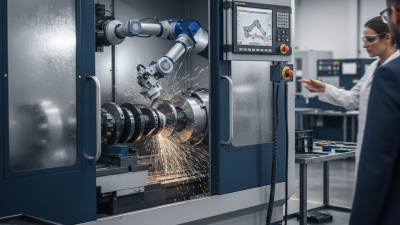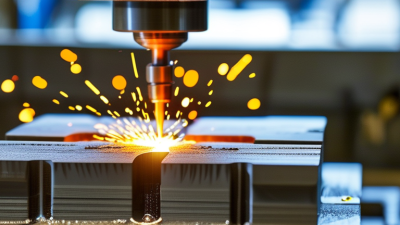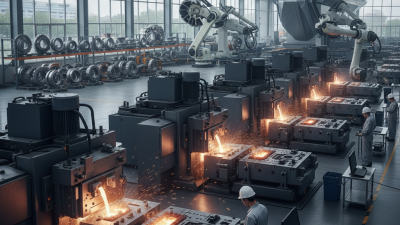
Cnc Castings bring together two processes: casting creates the near-net shape, and CNC machining finishes selected surfaces to tighter dimensions. This combination suits parts that need complex forms, repeatable production, and accurately machined features. Think of a cast aluminum housing with a flat gasket face, drilled mounting holes, and a bore that must align with a bearing. Casting shapes the body; machining establishes those critical interfaces.
The process still depends on sound casting design and controlled production. Wall thickness, alloy choice, shrinkage, and porosity can affect the finished component. Casting authority John Campbell is widely associated with this principle: “The quality of a casting is determined by the quality of the liquid metal.” That reminder matters. CNC machining can improve dimensions and surface finish, but it cannot reliably repair internal defects or poor metal quality. A machined surface may look precise while the underlying casting still needs careful evaluation.
Choosing Cnc Castings can reduce excess material removal and support efficient production, especially when part geometry would be difficult to machine from solid stock. Yet the choice is not automatic. Tool access, tolerances, inspection needs, and production volume all deserve review. There are trade-offs. This article examines where cast-and-machined components perform well, what limits their precision, and which design and quality checks help buyers make a sound decision.
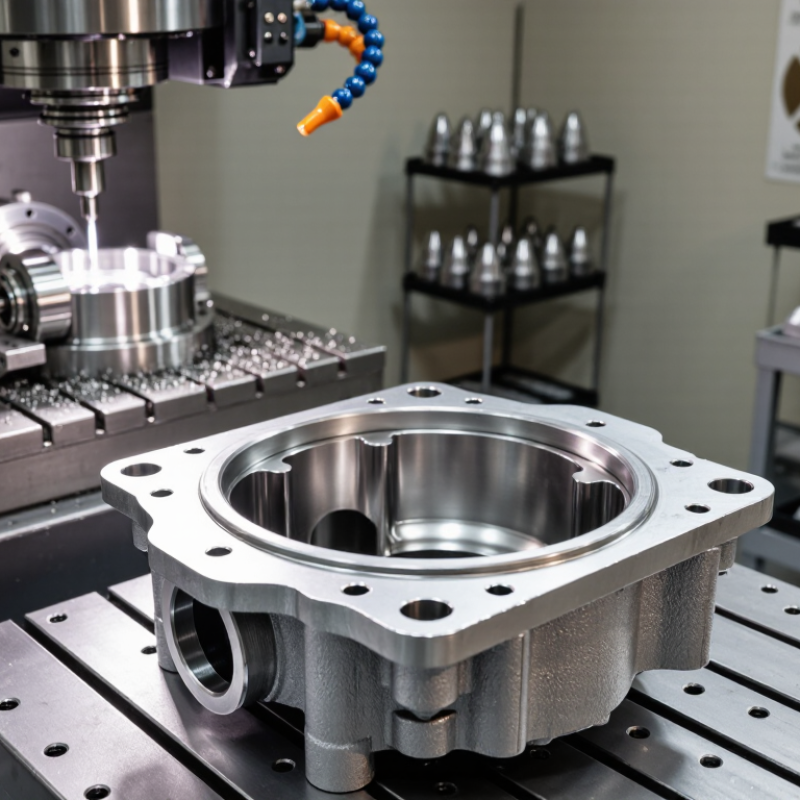
CNC castings are metal parts made by pouring molten metal into a mold, then machining selected surfaces with computer-controlled cutting tools. Casting creates the basic shape; CNC machining brings holes, threads, bores, and mating faces closer to their specified dimensions. The phrase can mislead. CNC does not usually make the casting itself. It finishes areas where a rough cast surface may not provide the fit or accuracy an assembly needs. A machined bore, for example, may seat a bearing while the outer ribs remain as-cast.
The World Foundry Organization’s 2022 global casting census reported worldwide production of roughly 110 million tonnes. That scale shows how widely cast components are used, but it does not guarantee precision in any single part. Accuracy depends on alloy, mold design, shrinkage, machining allowances, and inspection. In practice, engineers establish datums on stable surfaces, then machine only the features that require tighter control. They also check for porosity or distortion, which machining can expose rather than fix. Small details matter. A drawing should state which dimensions are critical and how they will be measured. One limitation is easy to overlook: more machining adds time, cost, and material removal. The best process is not always the one with the most machined surfaces.
Preparation starts with checking the casting against its drawing and material specification. Remove gates, risers, and loose scale, then inspect critical surfaces for porosity, cracks, or distortion. A casting may look sound but still hide a defect beneath the surface. That is why visual checks should be paired with suitable inspection methods for the part and its risks. Identify stable datum faces before machining; poor references can shift every later feature.
Tips: Leave enough machining stock to clean up uneven surfaces, but avoid excess material that adds cutting time. Clamp the part at strong, supported areas. A thin wall can flex under pressure.
Next, plan the machining sequence so each setup exposes the required faces while keeping the workpiece stable. Roughing removes most material; finishing passes create the final dimensions and surface quality. Check tool access, chip clearance, and coolant flow before production. Measure the first machined part against the drawing, especially around bores, flatness, and hole positions. Castings can move slightly as material is removed, so a setup that works on paper may need adjustment after the first cut. That is normal, and it is worth documenting.
Precision in CNC castings depends on more than the machine’s positioning accuracy. The casting itself must provide a stable, consistent starting point. Alloy composition, cooling rate, and mold design affect shrinkage and distortion. Internal porosity can also weaken a part or appear when machining exposes a hidden void. Small shifts matter.
Part geometry and setup are equally important. A broad, flat datum face helps the machinist locate the workpiece repeatably. Thin walls may flex under clamping pressure, while long bores can drift if the part is poorly supported. Tool wear, cutting forces, and temperature changes can gradually alter dimensions. Shops often verify critical features with calibrated bore gauges or coordinate measuring machines.
Inspection plans should match the part’s function, not just its drawing. A tight tolerance on a nonfunctional surface may add cost without improving performance. And CNC machining cannot reliably repair every casting flaw. That point is easy to overlook. Reviewing casting allowances, datum locations, and measurement methods before production can prevent avoidable variation, though real parts may still need adjustment after the first inspection.
CNC castings combine the shape-making flexibility of casting with the controlled accuracy of computer-guided machining. A casting can form ribs, bosses, and curved walls that would be costly to cut from solid stock. CNC operations then finish critical faces, bores, and mounting points to specified dimensions. That matters. A machined datum surface also helps parts locate consistently during assembly. Results still depend on the alloy, casting quality, tooling, and setup.
This approach can reduce machining time because less material needs to be removed than from a solid billet. It can also support repeatable production when fixtures and inspection methods remain consistent. For example, a housing may be cast near its final shape, then have bearing bores machined in one setup. That can limit alignment errors. However, casting variation does not disappear after machining, and tight tolerances may require extra stock, checks, or process adjustments. CNC castings are not automatically the lowest-cost option for every design.
Tips: Specify which surfaces and dimensions truly need tight tolerances. Ask how the casting will be located and inspected. A clear drawing helps, but it may not reveal every manufacturing difficulty; review the first sample before committing to production.
CNC-machined castings serve industries that need complex shapes and accurately finished surfaces. In automotive manufacturing, aluminum or iron castings can form transmission housings, brake components, and engine brackets. CNC machining then brings bearing seats and bolt holes to specified dimensions. Fit matters.
Construction and agricultural equipment use cast housings for hydraulic pumps, gearboxes, and valve bodies. These parts may face vibration, dust, and changing temperatures. Machining critical faces helps components align during assembly, while the casting provides the bulk shape efficiently. A rough casting still needs careful inspection; machining cannot correct every flaw inside the material.
In energy and marine applications, pump and turbine housings often combine internal passages with flat mounting surfaces. CNC tools can finish these features, though access and wall thickness affect the process. Medical equipment makers also use machined castings for stable frames and enclosures, rather than for every precision component. That distinction is easy to miss. The right choice depends on load, material, production volume, and inspection needs. Some designs may be better made another way.
| Industry | Typical Components | Common Casting Materials | Why CNC Machining Is Used | Examples of Machined Features |
|---|---|---|---|---|
| Automotive and commercial vehicles | Transmission housings, pump bodies, brake components, and engine-related housings | Aluminum alloys, cast iron, and selected steel alloys | Creates accurate interfaces and assembly surfaces while retaining the shape and material efficiency of a casting. | Bores, bearing seats, mounting faces, threaded holes, and sealing surfaces |
| Aerospace | Structural brackets, housings, fluid-system components, and equipment supports | Aluminum alloys, magnesium alloys, and selected investment-cast alloys | Finishes critical interfaces and features that require controlled dimensions, subject to the part specification and inspection plan. | Precision bores, datum faces, bolt patterns, and fitted interfaces |
| Industrial machinery | Gearbox cases, valve bodies, pump housings, and machine-tool components | Gray or ductile iron, aluminum alloys, and cast steel | Improves alignment and fit at functional surfaces without machining every surface of the casting. | Shaft bores, flange faces, bearing pockets, and tapped holes |
| Energy and power generation | Valve bodies, turbine-related housings, pump casings, and generator components | Cast steel, stainless steel, ductile iron, and aluminum alloys, selected for service conditions | Produces mating and sealing surfaces needed for assembly and fluid or mechanical systems. | Flanges, seal grooves, bores, and connection features |
| Marine and offshore | Pump and valve housings, propulsion-system components, and equipment brackets | Aluminum alloys, bronze alloys, stainless steel, and cast iron | Allows functional features to be machined into cast shapes; material selection must account for the operating environment. | Mounting faces, threaded ports, bearing seats, and pipe connections |
| Medical and laboratory equipment | Equipment frames, instrument housings, pump components, and support structures | Aluminum alloys and stainless steel; material choice depends on application requirements | Provides repeatable interfaces and accurately located features for equipment assembly. | Mounting holes, flat faces, bores, and alignment features |
CNC castings are cast components that receive subsequent computer-controlled machining. Suitable casting methods, materials, achievable tolerances, and inspection requirements depend on part geometry, alloy, production volume, and the engineering specification.