How to Optimize Automatic Polishing Lines for Maximum Efficiency?
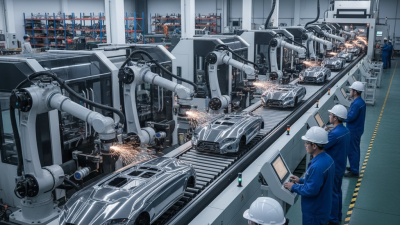
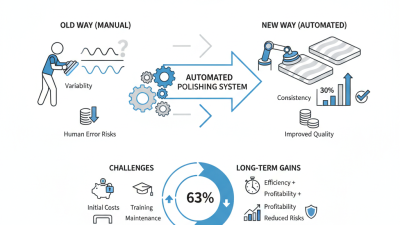
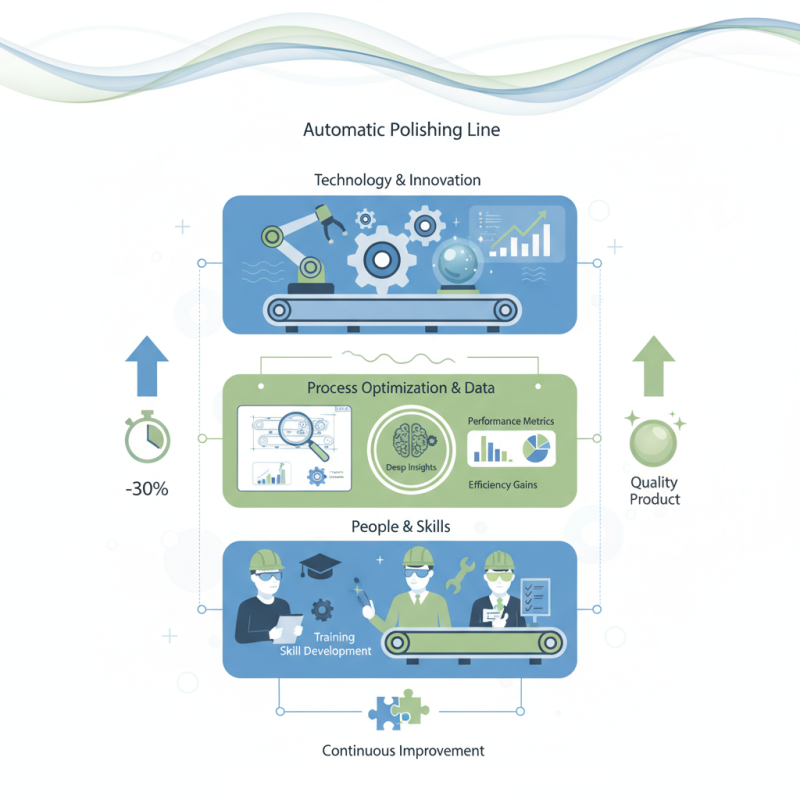
In today's manufacturing landscape, optimizing Automatic Polishing Lines is crucial for maintaining competitive advantage. Industry reports indicate that efficient polishing processes can reduce production time by up to 30%. However, many companies still struggle with inefficiencies in their polishing lines, reflecting a significant opportunity for improvement.
Dr. Emily Zhang, a leading expert in industrial automation, emphasizes, “Continuous refinement of Automatic Polishing Lines can unlock unexpected gains in productivity.” This perspective resonates with firms striving for excellence. Innovations in technology and training can further enhance these lines, yet challenges remain. Not every facility utilizes the latest techniques, which can lead to suboptimal output.
The journey to fully optimized Automatic Polishing Lines demands deep insights and data-driven approaches. Companies must regularly evaluate equipment performance and employee skill levels. Innovations should not only focus on speed but also on the quality of the final product. A thoughtful assessment will reveal areas that need attention, driving the industry toward greater efficiency.
Understanding the Basics of Automatic Polishing Lines and Their Components
Automatic polishing lines play a crucial role in various manufacturing sectors. Understanding their components is key to maximizing efficiency. The main elements include polishing machines, conveyors, and control systems. Each of these parts must work in harmony for optimal performance. For instance, a report from the International Journal of Advanced Manufacturing Technology notes that integrating advanced control systems can enhance overall line efficiency by up to 30%.
The type of polishing machine used can also impact results. Different machines are designed for specific materials and finishes. Each machine's characteristics influence speed and quality. Data indicates that a mismatch between the polishing method and material can lead to over-processing. This not only wastes resources but also time. Companies often overlook this, leading to suboptimal performance.
Regular maintenance is a critical aspect that requires attention. Even minor issues can disrupt the polishing process, causing delays. According to industry reports, failure to perform routine checks can lead to a 15% decrease in production efficiency. Operators need to be trained adequately to identify and address these concerns. Continuous learning is essential in this evolving field.
Optimizing Automatic Polishing Lines for Maximum Efficiency
Assessing Current Efficiency Metrics in Polishing Line Operations
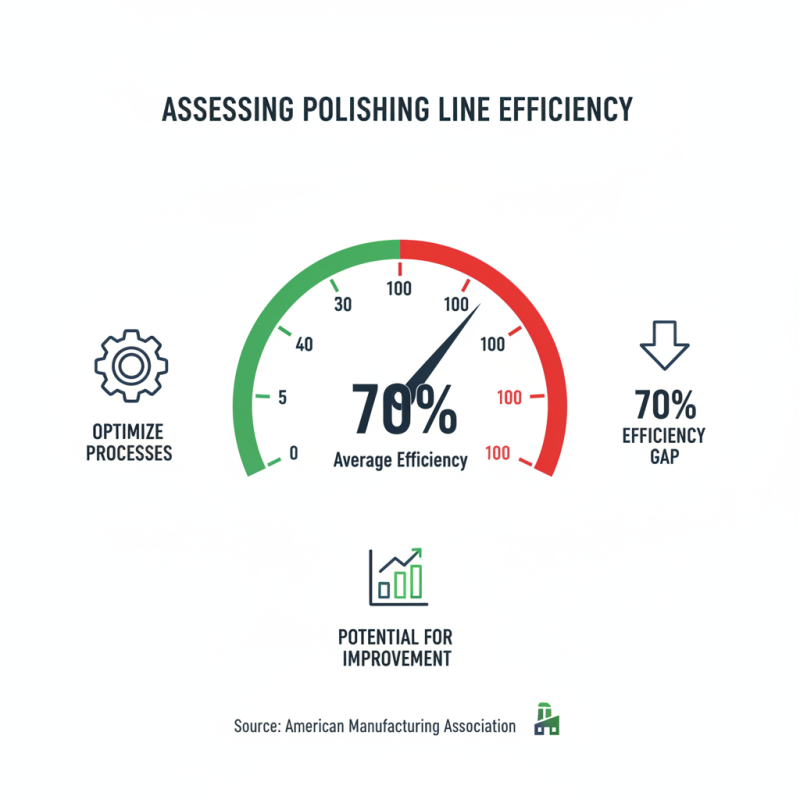
Optimizing automatic polishing lines starts with understanding current efficiency metrics. Assessing these metrics provides insight into potential areas for improvement. According to the American Manufacturing Association, polishing lines often operate at only 70% efficiency due to unoptimized processes. This highlights a significant gap in productivity that can be addressed.
Key performance indicators (KPIs) specific to polishing lines include cycle time, throughput rate, and defect rate. Research shows that reducing cycle time by just 15% can elevate output substantially. However, many facilities overlook the need to balance speed with quality. A focus solely on increasing throughput can lead to a higher defect rate, necessitating rework.
Machine utilization is another critical factor. Data from industry reports indicates that many polishing lines run at only 60% utilization during peak hours. Regular maintenance, operator training, and streamlined workflows can help improve these figures. Yet, companies must be cautious not to over-automate processes, leading to underperformance in adaptability and problem-solving.
Implementing Advanced Technologies for Enhanced Polishing Efficiency
Implementing advanced technologies in automatic polishing lines is crucial for enhancing efficiency.
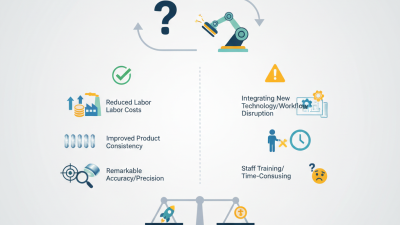
Automation reduces manual labor, speeds up the process, and ensures consistency. However, simply automating is not enough. Regular maintenance and calibration of equipment are essential.
Neglecting this can lead to inconsistent results and decreased quality.
Tips for optimizing your polishing lines include integrating AI-driven monitoring systems.
These systems can track performance and identify bottlenecks in real time. Additionally, using data analytics helps to understand polishing patterns and improve techniques.
Be cautious of over-relying on technology. Human oversight remains vital for quality assurance.
Investing in training programs for staff can significantly enhance operational efficiency.
Employees should understand both machines and materials. A skilled workforce can respond quickly to issues that arise, which technology alone cannot resolve.
Remember that advanced technology is a tool, not a solution. Balancing innovation with skilled labor maximizes polishing efficiency.
Training Staff and Developing Best Practices for Optimal Workflow
To optimize automatic polishing lines, focus on training staff effectively. Employees should understand the machinery and processes involved. A well-trained team can identify issues quickly. It also boosts morale and efficiency. Encourage hands-on experience, as this solidifies knowledge. Regular workshops can help reinforce best practices.
Tips: Implement smaller, focused training sessions. This approach aids retention. Ensure staff understand the importance of quality control. Knowing the machine's limitations creates realistic expectations. Encourage open communication among team members. This fosters a collaborative environment and shares valuable insights.
Reflect on your current training methods. Are they engaging? Do they accommodate different learning styles? It’s vital to adapt training programs over time. Gather feedback regularly. This can pinpoint areas needing improvement, enhancing workflow considerably. Continuous development leads to a more skilled workforce and better overall performance on the polishing lines.
Regular Maintenance and Upgrades: Key to Sustaining Peak Performance
Regular maintenance and upgrades are crucial for optimizing automatic polishing lines. According to a recent industry report, companies that implement scheduled maintenance reduce unscheduled downtime by up to 30%. This not only enhances production efficiency but also extends the lifespan of polishing equipment. Neglecting routine checks, however, can lead to costly repairs and extensive downtime.
An upgrade strategy is equally important. Modernizing machinery can lead to a performance increase of 20%-40%. This is particularly relevant as technologies evolve rapidly. Incorporating advanced automation tools can ensure consistency and greater precision in the polishing process. Yet, many facilities fail to invest adequately in such upgrades, often due to budget constraints or lack of awareness about potential gains.
Data suggests that a well-planned maintenance schedule can yield a return on investment exceeding 150% over five years. However, the industry's tendency to overlook minor issues can result in significant losses. Addressing these imperfections with a proactive mindset is essential for maintaining peak performance and maximizing productivity output.