Top 10 Surface Grinding Machines to Enhance Your Precision Machining?
In the realm of precision machining, Surface Grinding Machines play a pivotal role. These machines are designed to create flat surfaces with remarkable accuracy. Many industries rely on them for high-quality finishes and tight tolerances. Yet, not all surface grinders are the same. Each machine offers unique features and capabilities.
When selecting the right Surface Grinding Machine, one must consider several factors. The intended application, available space, and required precision all come into play. Some machines excel in small batch production, while others are suited for mass production environments.
However, choosing the best surface grinder can be challenging. Many options flood the market, each claiming superior performance. Users often find themselves navigating a sea of specifications and features. It's essential to research and compare. Understanding the strengths and weaknesses of each machine is vital. Ultimately, the right choice enhances productivity and precision.
Overview of Surface Grinding Machines and Their Importance in Machining
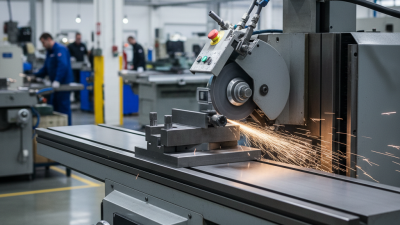
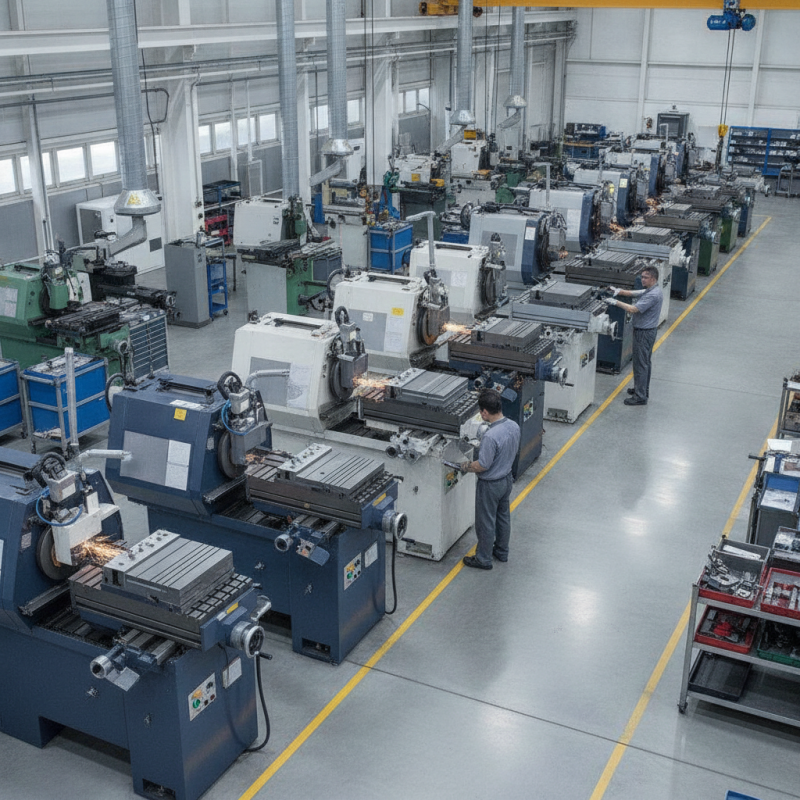
Surface grinding machines are vital in precision machining. They ensure high accuracy and surface quality for a variety of materials. The grinding process removes minute amounts of material, yielding flat and smooth surfaces. Such precision is essential in diverse industries, including automotive, aerospace, and manufacturing. The ability to achieve tight tolerances can elevate production quality.
One crucial aspect to consider is operator skill. Even the best machines require an experienced operator for optimal performance. Misalignment or improper settings can lead to defects. Hence, training and regular maintenance are essential. Additionally, selecting the right abrasives affects the quality of the finish. Each material demands specific tools and techniques, making expertise necessary.
Surface grinding is a time-consuming process but yields exceptional results. The balance between speed and precision can be tricky. Investing in advanced machines can be beneficial but may not always guarantee better outcomes. Reflection on workflow and equipment choice often leads to improvements in production efficiency. Adapting to new technologies while considering traditional methods is a pathway toward exceptional quality in machining.
Key Features to Consider When Choosing a Surface Grinding Machine
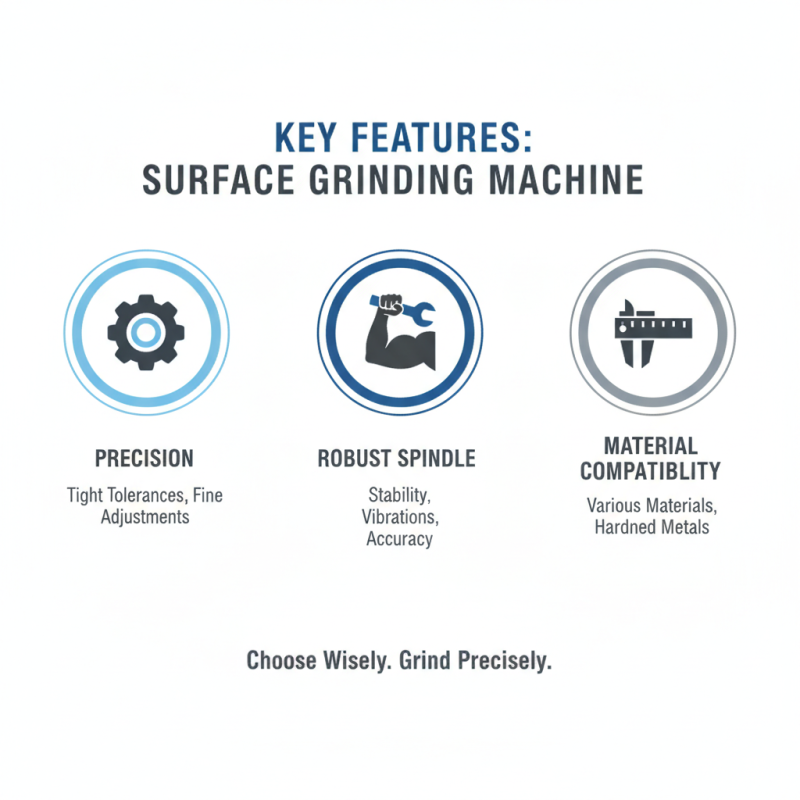
When selecting a surface grinding machine, several key features should guide your decision. Precision is crucial. Machines should maintain tight tolerances for detailed work. Look for models that offer fine adjustments. A robust spindle is essential. It ensures stability and reduces vibrations during operation. A vibrating machine can lead to inaccuracies.
Consider the grinding wheel size and type. Larger wheels can handle bigger projects. However, they might not fit in tight spaces. The material of the wheel affects performance too. Diamond wheels offer longevity, while aluminum oxide works well for softer materials.
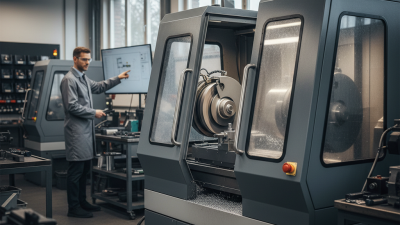
User interface matters significantly. A clear display simplifies control. Controls should be intuitive, reducing the learning curve for operators. Some models come with programmable features. These can enhance efficiency and help in repetitive tasks. However, too many features can complicate operation. Balance is necessary for effective usage.
Top 10 Surface Grinding Machines for Precision and Efficiency
Surface grinding machines play a crucial role in achieving precision and efficiency in machining. These machines are designed to produce a smooth finish on flat surfaces. They work by removing material from a workpiece with a grinding wheel. This process is essential in industries like aerospace, automotive, and manufacturing, where accuracy is vital.
When selecting a surface grinding machine, consider its capabilities and features. Parameters such as the size of the worktable, motor power, and grinding wheel speed are important. Machines with advanced technology can handle tight tolerances. However, it's essential to evaluate your specific needs carefully. Too often, companies invest in machines that don’t fully align with their requirements, leading to wasted resources.
Maintaining these machines is also crucial for sustained performance. Regular checks on the grinding wheel and alignment can prevent errors. Operators need to be trained effectively to ensure they understand how to use the machines properly. Over time, the wear and tear of parts can affect precision. Reflecting on past experiences can help in making better choices moving forward. Consistently monitoring performance will lead to continuous improvement in machining processes.
Top 10 Surface Grinding Machines for Precision and Efficiency
Comparative Analysis of Leading Surface Grinding Brands and Models
When evaluating surface grinding machines, it’s crucial to understand the nuances among leading brands and models. Precision is key in machining, with a report by the International Journal of Advanced Manufacturing Technology indicating that a mere 0.5mm variation can lead to significant issues in part functionality. Many models offer different grinding capacities, from manual to fully automated systems, which can cater to diverse industry requirements.
A comparative analysis highlights that rigidity and thermal stability are vital factors. Poor thermal management can lead to inaccuracies over extended operation. Moreover, data shows that machines integrating advanced cooling systems report a 20% increase in operational accuracy compared to standard models. While some machines excel in speed, others focus on precision. This duality prompts a reflection on the specific needs of each machining environment.
Despite advancements, certain models have been criticized for excessive vibrations under high load, affecting grind quality. Reports suggest regular maintenance plays a crucial role in mitigating these issues. Choosing a surface grinding machine should not only consider technical specs but also the real-world performance and reliability across different projects. Each model has its strengths and weaknesses, necessitating careful consideration.
Maintenance Tips for Optimal Performance of Surface Grinding Machines
Proper maintenance of surface grinding machines is essential for optimal performance. Regular cleaning is crucial. Dust and debris can accumulate on moving parts, impacting accuracy. Use a vacuum or compressed air to keep surfaces clear. Ensure the grinding wheel is free from damage. Inspect it regularly to prevent accidents and ensure a smooth finish.
Lubrication is another critical aspect. Applying the right lubricant to the machine's moving parts reduces friction. This prolongs the machine's lifespan. However, too much lubricant can lead to buildup that affects performance. Finding the right balance is key.
Finally, check the alignment of your machine frequently. Misalignment can lead to uneven surfaces. Use precision measuring tools to ensure everything is in order. Addressing small issues early can prevent larger breakdowns. Regularly scheduled maintenance checks can save time and money in the long run.