Top 10 Benefits of Using Brake Calipers Deburring Machine for Efficiency?
In the rapidly evolving automotive industry, the efficiency of manufacturing processes is critical. One key technology enhancing this aspect is the Brake Calipers Deburring Machine. Industry expert Dr. Emily Hartman, a leading figure in automotive machinery innovation, highlights, “A well-designed deburring process can increase production speed and quality significantly.” This underscores the importance of implementing advanced machinery for optimal performance.
The Brake Calipers Deburring Machine offers numerous advantages. It streamlines operations, minimizes manual labor, and reduces the risk of defects. With its precision engineering, it ensures every brake caliper is deburred effectively, enhancing safety and vehicle performance. Manufacturers are increasingly recognizing that investing in such machines is not just a trend, but a necessity for staying competitive.
Despite the clear benefits, some companies hesitate to adopt this technology. Resistance to change can stem from past experiences with unproven machinery or initial costs. However, the long-term gains in efficiency and product quality often outweigh these concerns. Embracing the Brake Calipers Deburring Machine might require overcoming skepticism, yet the results can redefine operational capabilities.
The Importance of Deburring in Brake Caliper Production Efficiency
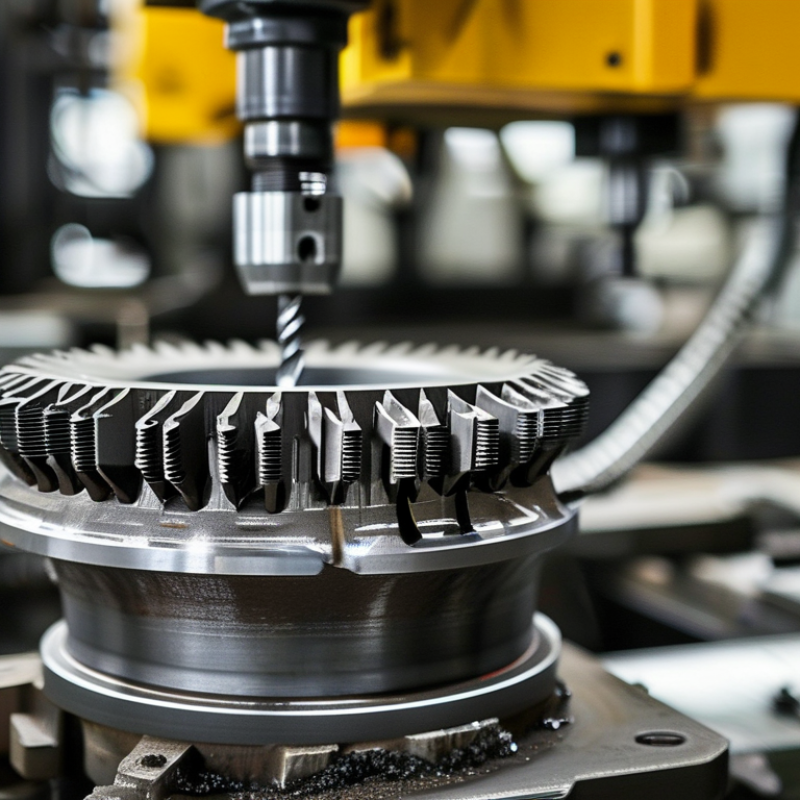
Deburring is a critical process in brake caliper production. It removes sharp edges and imperfections. This step enhances the overall quality and performance of the product. Efficient deburring contributes to better vehicle safety. Any residue can lead to braking issues. Proper deburring extends the lifespan of brake calipers and ensures reliable operation.
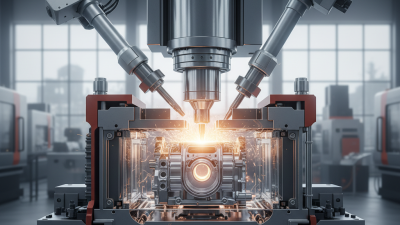
Using a brake calipers deburring machine significantly improves efficiency. These machines streamline the process, reducing manual labor. They provide consistent results with minimal human error. Speed and precision are key benefits. This technology can adapt to various designs, making it versatile.
Tips for improving your deburring process: Monitor your machine regularly. Maintenance is crucial to avoid bottlenecks. Always ensure the correct settings for different materials to optimize results. Train your team on the best practices. Engaging staff in the process can lead to innovative solutions. Continuous evaluation of the production line will highlight areas for improvement. Make time for reflection to enhance your operation's overall efficiency.
Understanding Brake Calipers and Their Manufacturing Process
Brake calipers play a crucial role in vehicle safety. They apply pressure to the brake pads, which then grip the rotor, slowing the car down. Understanding the manufacturing process of brake calipers is essential to ensure their quality and reliability. This process includes casting, machining, and surface finishing. Each step must be meticulously handled to achieve precise dimensions and tolerances.
During manufacturing, imperfections can arise. These might include burrs on the calipers from machining. Burrs can lead to poor contact with brake pads, affecting performance. This is where a brake calipers deburring machine becomes invaluable. It efficiently removes these imperfections, enhancing the overall efficiency of the braking system. However, not all machines are the same. Selecting the right deburring machine requires careful consideration of various factors.
Effective deburring not only improves the product quality but also impacts production speed. Machines designed for this purpose can significantly reduce manual labor and errors. Nonetheless, operators must remain attentive. Over-reliance on automation can lead to oversights. Regular maintenance and proper operation are vital to maximizing the machine’s capabilities. Emphasizing these details ensures safer vehicles and better performance.
Key Features of Deburring Machines for Brake Calipers
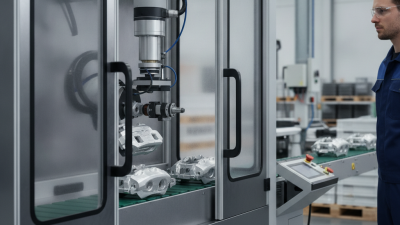
Deburring machines for brake calipers are essential for improving efficiency. These machines streamline the manufacturing process by removing sharp edges and burrs from parts. This enhancement not only increases safety but also boosts the overall quality of the product.
One key feature of these machines is their precision. They offer consistent results, which is vital in a production environment. Automated systems reduce human error. Operators can focus on other critical tasks. Additionally, many machines come with adjustable settings for various brake caliper designs. This versatility allows manufacturers to cater to different client specifications.
While the benefits are clear, some limitations exist. The initial investment in such machines can be high. Maintenance is also necessary to ensure optimal performance. Operators must be trained to handle these machines effectively. This can require additional resources.
Despite these challenges, the reduction in production time and waste justifies the investment. The long-term efficiency gains far surpass the initial hurdles. Embracing these machines can lead to significant improvements in manufacturing processes for brake calipers.
Top Benefits of Using a Deburring Machine for Brake Calipers
Deburring machines are essential for enhancing the efficiency of brake caliper manufacturing. These machines remove sharp edges and burrs, which can otherwise cause problems during assembly and operation. The improved safety and product quality are immediate benefits. Operators find that smooth surfaces reduce friction and increase lifespan. This leads to better performance overall.
Tips: Inspect the deburring machine regularly for wear. This ensures optimal performance. Also, train staff thoroughly to maximize the benefits of the machine.
In a busy manufacturing environment, time is money. A deburring machine can significantly cut down lead times. It allows for faster processing of calipers, making production schedules more manageable. Moreover, automated systems reduce the risk of human error. Workers can focus on other tasks, enhancing productivity across the board.
Tips: Ensure proper calibration of equipment. Frequent checks can keep the machine running smoothly. Also, integrating feedback from operators can highlight areas for improvement.
Impact of Improved Efficiency on Overall Production Costs and Quality
Brake calipers deburring machines play a crucial role in improving production efficiency. When burrs are removed effectively, parts fit better and function as intended. This precise machining increases the overall quality of finished products, leading to higher customer satisfaction. Consequently, businesses can reduce costs associated with rework and warranties.
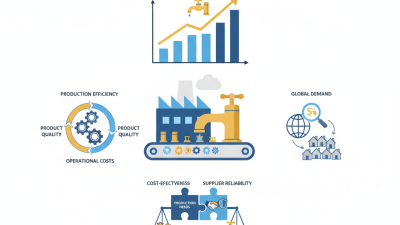
Improved efficiency translates directly into lower overall production costs. Less downtime occurs when machines operate smoothly. Workers can focus on other critical tasks instead of dealing with imperfections in finished components. This shift in focus maximizes labor productivity. However, companies must invest in regular maintenance and operator training. Without these, the benefits of automation may be lost.
Quality assurance also becomes more reliable with deburring machines. As parts undergo consistent processing, production variations decrease. Yet, this does not mean companies should neglect quality inspections. Regular checks help identify potential issues early on. Failing to do so risks damaging the production flow. Continual improvement in processes fosters both quality and cost-effectiveness in manufacturing.