Best CNC Polishing Machine for Precision and Efficiency?
In today's manufacturing landscape, the use of CNC polishing machines is critical for achieving high precision and efficiency. According to a recent industry report by MarketsandMarkets, the global CNC machine market is expected to grow from $61.9 billion in 2020 to $100.5 billion by 2026, indicating a significant demand for advanced machining technology. This growth is fueled by the increasing need for automation and cost-effective production processes.
Implementing a CNC polishing machine can dramatically enhance the quality of finished products while minimizing manual labor and operational costs. Skilled operators can achieve a polish with consistent surface finish in a fraction of the time compared to traditional methods. However, selecting the best CNC polishing machine requires careful consideration. Factors like machine compatibility, tooling options, and after-sales support play an important role in maximizing performance.
As the market advances, it's essential to recognize that not all CNC polishing machines are created equal. Some models may fail to deliver the expected precision or operational efficiency, leading to potential setbacks in production. As manufacturers pursue automated solutions, choosing the right equipment remains a crucial, yet challenging task.
Best CNC Polishing Machines: Overview of Precision Technologies
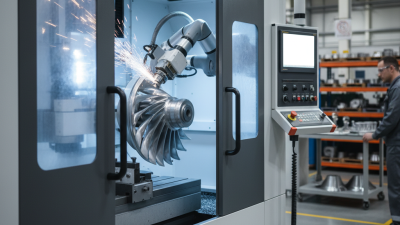
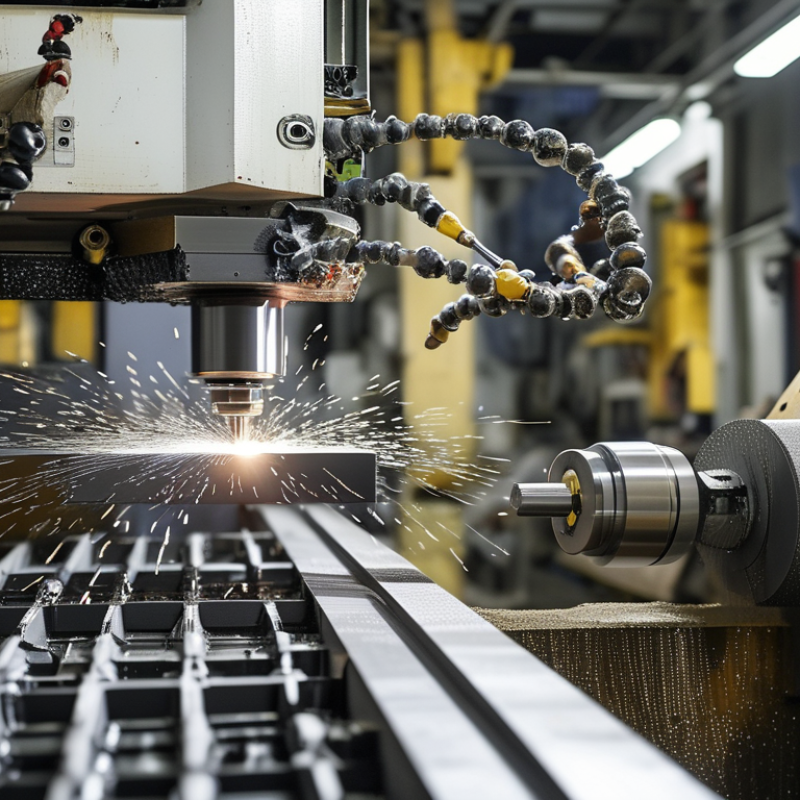
CNC polishing machines are pivotal in modern manufacturing. They enhance precision in surface finishing, catering to various industries. According to a report by Market Research Future, the CNC machinery market is expected to grow significantly. This demand is driven by the need for higher accuracy and efficiency.
Precision technologies in CNC polishing ensure that components meet stringent quality standards. Studies show that machines capable of automated polishing can reduce human error by up to 90%. This increases overall production efficiency. For instance, a well-calibrated CNC machine can achieve surface roughness better than 0.1 microns. However, the initial investment in high-quality machinery can be daunting for many businesses.
Despite advancements, challenges remain. Operators must be skilled to program and maintain these machines effectively. Inconsistent training can lead to costly mistakes. Additionally, the evolution of technology requires continual adjustments and updates. Such variability in operational consistency can affect output quality. A comprehensive understanding of these machines is essential for maximizing their potential.
Key Features to Consider in CNC Polishing Machines for Efficiency
When selecting a CNC polishing machine, efficiency should be a top priority. One key feature to consider is the machine's motor power. A powerful motor ensures that the machine can handle various materials, providing a consistent polish. Look for machines that offer variable speed settings. This flexibility allows operators to adjust the polishing speed based on the specific requirements of each project, enhancing precision.
Another important aspect is the polishing head design. Machines with multiple heads can polish larger surfaces uniformly, reducing production time. Also, consider the machine's ease of use. Intuitive controls and user-friendly interfaces can significantly affect productivity. Even the best machines require practice to master. Operators must train to achieve the optimal results. Regular maintenance is also essential; neglecting this can lead to inconsistent performance, diminishing the machine's lifespan.
Lastly, the machine's footprint plays a role in efficiency. A compact design can save valuable floor space but should not compromise stability. The right choice often comes down to balancing various features. Assessing your specific polishing needs is crucial. This process can reveal whether a machine truly meets efficiency standards. Each feature contributes to the overall performance, but understanding their impact is vital for effective use.
Comparative Analysis of CNC Polishing Machines: Accuracy Metrics
When evaluating CNC polishing machines, accuracy is a crucial metric. Precision impacts the overall quality of polished surfaces. High-accuracy machines ensure that the final product meets specific tolerances. For instance, a slight deviation in dimensions can result in a finished piece that does not fit correctly. Therefore, it's essential to assess how each machine achieves its polishing accuracy.
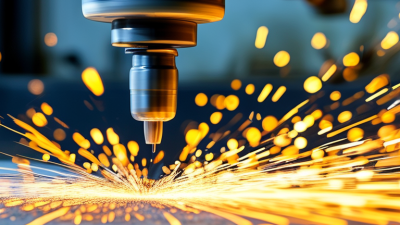
Metrics such as spindle speed and feed rate play vital roles. Higher spindle speeds can enhance the finish but might require careful management. If speeds are too high, it could lead to overheating or tool wear. Similarly, the feed rate must be balanced. An excessively fast feed rate can compromise the polish quality. It's a continuous trade-off that operators must navigate.
Moreover, one must consider the machine's calibration process. Frequent calibration checks can prevent discrepancies in performance. Operators often find that even small adjustments can lead to significant improvements. It's also worth noting that user experience varies. Operators may have different preferences based on their familiarity with specific setups. Testing various configurations can yield insights into optimizing each machine's output.
Industry Applications: How CNC Polishing Machines Enhance Productivity
CNC polishing machines are revolutionizing productivity across various industries. These machines utilize precise computer numerical control to perform polishing tasks efficiently. This technology allows for consistent results, ensuring high-quality finishes on a range of materials, from metals to plastics. The ability to program specific polishing patterns improves accuracy and reduces human error, leading to enhanced productivity.
In automotive and aerospace manufacturing, CNC polishing machines are invaluable. They polish components to exact specifications, contributing greatly to performance and aesthetics. Additionally, in the jewelry industry, these machines offer intricate detailing that hand polishing cannot achieve. However, as with any technology, there are challenges. Operators need thorough training to harness the machine's full potential. A lack of understanding can lead to mistakes and wasted materials.
Implementing CNC polishing machines requires careful consideration. While they enhance efficiency, the initial investment and maintenance can be daunting for some. Regular upkeep is essential to ensure optimal functioning. There’s a learning curve involved in mastering the programming aspects. Thus, continuous education and practice are necessary for maximizing their benefits.
Future Trends in CNC Polishing Technology: Innovations and Developments
CNC polishing technology is evolving rapidly. New innovations focus on enhancing precision and efficiency. One exciting trend is the integration of artificial intelligence. AI algorithms can analyze surface textures and optimize polishing parameters in real time. This leads to better finishes and reduced cycle times.
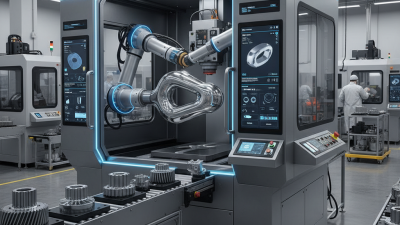
Automation continues to play a crucial role in CNC polishing. Machines are becoming more intuitive. They can adjust settings automatically based on feedback. This minimizes human error and boosts productivity. However, reliance on automation can lead to complacency. Operators must stay engaged to ensure optimal performance.
Here are some tips for operators: Always monitor machine outputs. Regularly inspect the polishing surface to detect any inconsistencies. Consider investing time in training. Developing skills will enhance your ability to troubleshoot issues effectively. Continuous improvement is key in this evolving landscape. Embrace innovations, but never overlook the fundamentals of your craft.