How to Choose the Best Faucet Buffing Machine for Your Needs?
Choosing the right Faucet Buffing Machine can significantly impact your production quality and efficiency. Industry expert John McCarthy states, "Selecting the right machine is crucial for achieving a flawless finish." This highlights the importance of making an informed decision.
When evaluating options, consider the specific needs of your manufacturing process. Different machines come with varying features. Some may excel in speed, while others focus on precision. Think about the materials you frequently buff. A machine that works well with one type of metal may not perform efficiently with another.
Investing time in research can prevent costly mistakes. Read reviews, compare brands, and seek advice from experienced users. Remember, a machine that suits one facility might not be right for yours. Reflect on your unique circumstances before making a purchase. This thoughtful approach will lead you to the perfect Faucet Buffing Machine for your business.
Understanding the Basics of Faucet Buffing Machines
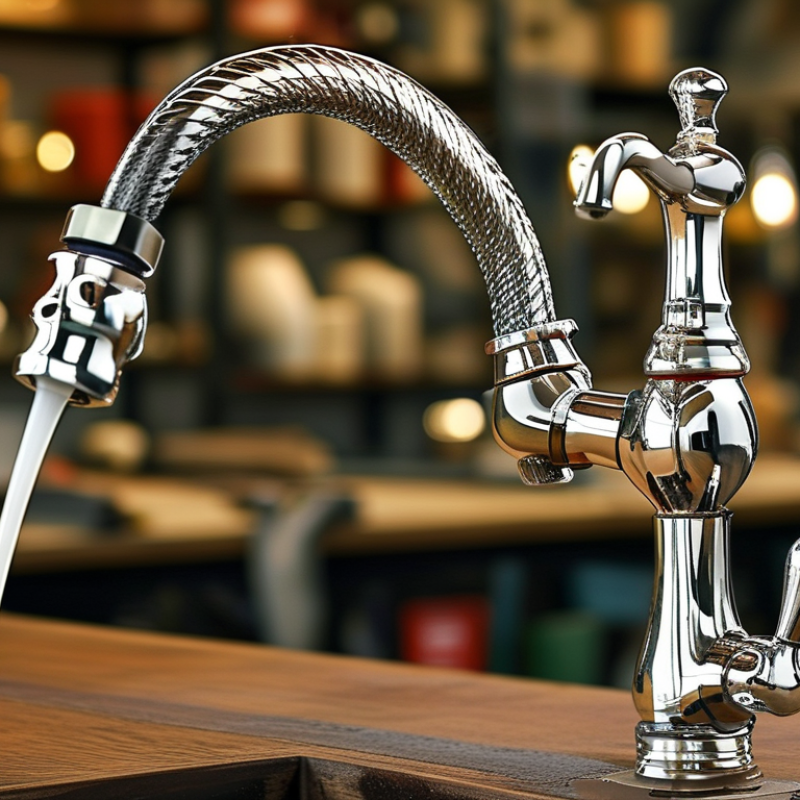
Faucet buffing machines are essential for achieving a polished finish on metal faucets. Understanding how they work can help you make an informed choice. These machines use buffing wheels and polishing compounds to remove surface imperfections. The process may seem simple, but achieving the perfect shine requires practice and skill.
Choosing the right machine involves considering your specific needs. Different machines cater to various scales of operation. Some models are compact for small workshops, while others are industrial-grade. It's also crucial to evaluate the buffing wheels and pads available. Not all wheels will give you the same results. The material and grit level matter immensely.
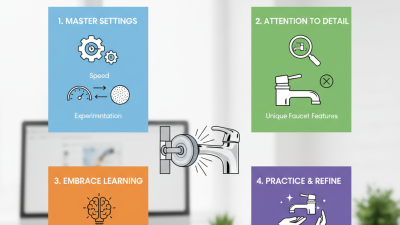
However, even with the best equipment, results can vary. Factors like user technique and material type play significant roles. Sometimes the desired shine may not be achieved on the first try. Experimentation is key. Users should reflect on their methods and be willing to adapt. Learning from mistakes is part of the journey toward mastering buffing techniques.
Key Features to Consider When Choosing a Buffing Machine
When selecting a faucet buffing machine, consider the key features that will best suit your needs. Start with motor strength. A powerful motor can enhance efficiency and deliver a high-quality finish. Look for machines that offer variable speed controls. This allows you to adjust the buffing speed according to the material being polished. Such flexibility is crucial when working with different types of faucets.
Additionally, the design and build quality matter greatly. A machine with a sturdy frame will offer better stability during operation. Check the weight; a heavier machine may absorb vibrations better, leading to smoother results. The ease of use is also significant. Intuitive controls can save time during setup.
Don't overlook the available buffing pads and accessories. Some machines come with a variety of pads designed for specific tasks. However, too many options can be overwhelming. You should also consider the machine's maintenance requirements. A model that requires frequent upkeep may not be ideal for a busy workshop. Reflect on these aspects carefully when making your choice.
Faucet Buffing Machine Key Features Comparison
Assessing the Material Compatibility of Buffing Machines
When choosing a faucet buffing machine, one crucial factor is material compatibility. Different buffing machines handle various materials, such as metals, plastics, and composites. Understanding the specific requirements for each material type is vital. For instance, machines that work well on stainless steel may not be suitable for aluminum.
Each material reacts differently during the buffing process. Stainless steel may require finer pads for a polished finish. Conversely, plastics can melt if the machine generates too much heat. Assessing your materials beforehand will guide your selection process effectively.
Always check the specifications of the machine. Not all machines are designed to handle the same materials. Misalignment in compatibility can lead to poor finishing or even damage. It’s important to reflect on past experiences and not overlook these details. Being thorough in your compatibility checks can save you time and resources in the long run.
Evaluating the Size and Portability of Faucet Buffing Machines
When selecting a faucet buffing machine, size and portability are crucial factors. A compact machine may save space in smaller workshops. However, larger models often provide more powerful motors and better performance. Consider the dimensions of your workspace. A machine that fits comfortably can improve usability and efficiency.
Portability also matters, especially for those who move between jobs. Look for machines with wheels or lightweight designs. This allows easy transport. Some may sacrifice power for portability, leading to mixed results. Assess your priorities. If you're constantly on the go, a smaller machine might be more convenient, even if it means reduced buffing power.
Think about ease of storage. A machine that doesn’t fit well in your space can create clutter. This may hinder the workflow and lead to frustration. Review your usual tasks, too. A versatile machine can adapt to different jobs, but might be bulkier. Balancing size and portability ensures you get the most out of your investment.
Budgeting for Your Faucet Buffing Machine Investment
When budgeting for a faucet buffing machine, you must consider various factors that affect your investment. It's essential to gauge not just the initial cost but also the long-term value. Cheaper machines may attract you, but they can lead to frequent breakdowns, requiring costly repairs. Advancing your production capabilities without overspending is vital.
Consider your production volume. If you operate on a small scale, a less expensive model could suffice. However, if your operation scales up, investing in a more robust machine becomes crucial. This choice often means evaluating features and specifications that align with your needs. Higher-end models may offer durability and efficiency, justifying the initial expense.
Don’t forget maintenance costs. Skimping on quality may lead to higher operational costs over time. Reflect on the total cost of ownership. A wise investment today can yield significant savings and productivity in the long run. Balancing your budget with practicality will guide you toward the right decision.