How to Choose the Right Automotive Parts Grinding Machine for Your Needs?
Choosing the right Automotive Parts Grinding Machine is crucial for manufacturers in the automotive industry. John Smith, a leading expert in manufacturing technology, states, “The right machine can significantly enhance productivity and precision.” This machine is essential for ensuring that parts meet strict quality standards.
Selecting an Automotive Parts Grinding Machine involves considering several factors. These include the machine’s capabilities, precision, and ease of use. Furthermore, the right grinding machine should align with production goals. It should also accommodate your specific component sizes.
Evaluating different machines can be daunting. Each model offers distinct features and benefits. It’s vital to look beyond specifications. Real-world performance and user feedback are equally important. Engaging with experts and peers can provide insights that guide your decision.
Understanding Your Automotive Parts Grinding Needs
When selecting the right automotive parts grinding machine, understanding your specific needs is crucial. The automotive industry is undergoing rapid changes. A report from the Precision Grinding Association noted that precision grinding is projected to grow by 4.5% annually. This growth reflects the increasing demand for high-quality automotive components.
Begin by assessing the type of materials you will be grinding. High-strength steel and alloys may require different grinding setups than softer metals. Additionally, consider your production volume. If you're focusing on small batch production, a compact, versatile machine might suffice. However, high-volume production demands robust machines that can endure continuous operation. Data suggests that the right machine can enhance efficiency by up to 30%, significantly reducing downtime.
Another factor is the machine's technology. Some manufacturers prioritize traditional grinding processes. Others embrace advancements like CNC technology, which can deliver consistent results. Balancing cost with capabilities is paramount. Some machines may seem cheaper upfront but could incur higher maintenance costs over time. Reflecting on these elements can guide you toward making an informed decision that aligns with your operational goals.
How to Choose the Right Automotive Parts Grinding Machine for Your Needs?
| Machine Type |
Motor Power (HP) |
Max Grinding Diameter (mm) |
Table Size (mm) |
Price Range (USD) |
| Surface Grinder |
10 |
300 |
600 x 300 |
$5,000 - $10,000 |
| Cylindrical Grinder |
15 |
400 |
800 x 400 |
$8,000 - $15,000 |
| Centerless Grinder |
20 |
250 |
500 x 250 |
$7,000 - $12,000 |
| Tool and Cutter Grinder |
5 |
150 |
400 x 300 |
$3,000 - $8,000 |
| Vertical Grinder |
25 |
500 |
1000 x 500 |
$15,000 - $30,000 |
Assessing Different Types of Grinding Machines Available
When selecting an automotive parts grinding machine, it's essential to understand the different types available. A surface grinder is ideal for creating flat surfaces on various automotive components. Surface grinders typically vary in size and power, which influences their efficiency. A cylindrical grinder, on the other hand, specializes in producing precise cylindrical shapes. This type is crucial for components like bearings and shafts.
Consider the specific requirements of your project. For instance, a bench grinder is a compact and more affordable option suitable for smaller tasks. However, if you're handling larger parts, you may need a vertical spindle grinder for better productivity. Pay attention to the machine's usage frequency and the type of material you will be grinding. Mistakes often happen when users overlook the specifications, leading to poor performance.
Equally important is understanding the machine's maintenance needs. Some grinding machines require more frequent adjustments and replacements. This can impact long-term reliability. Investing in a machine with a reputation for durability may save costs over time. Always weigh the pros and cons of each type against your manufacturing goals. Thorough research will build confidence in your decision-making process.
Comparison of Different Types of Automotive Parts Grinding Machines
Key Features to Look for in a Grinding Machine
When selecting an automotive parts grinding machine, identifying key features is crucial. Precision is paramount in this industry. A good grinding machine should offer high accuracy in machining tolerances, often within ±0.001 inches. According to industry reports, machines achieving this level of precision enhance part performance significantly. This tight tolerance can lead to better fitting parts and reduced wear over time.
Another feature to consider is the power capacity. Higher horsepower ratings typically translate to better material removal rates. Having a machine with at least 15 horsepower can help in processing various materials effectively. However, excessive power may lead to overheating or increased operational costs. It's essential to balance power without compromising efficiency.
Moreover, automation features can improve productivity. Machines with CNC capabilities allow for consistent operations and reduced human error. A study shows that automating grinding processes can improve efficiency by up to 30%. Still, the complexity of these systems can be a barrier for some operations. It's vital to evaluate whether such features align with your specific needs and the skill level of your operators.
Evaluating Machine Performance and Specifications
When selecting an automotive parts grinding machine, understanding performance metrics is crucial. Key specifications to evaluate include spindle speed, feed rate, and grinding wheel diameter. Machines with higher spindle speeds often enhance productivity but may require advanced cooling systems to prevent overheating. A recent industry report by Research and Markets indicates that machines operating at optimal spindle speeds improve output by 30%.
Consider the type of materials you will grind. For aluminum parts, a machine with a fine grit wheel is essential. For harder materials like steel, a robust grinding wheel is recommended. The report also highlighted that machines designed for versatility tend to have lower maintenance costs in the long run.
Tips: Always check for user reviews and performance ratings. Look for machines with consistent accuracy of under 0.001 inches. Balance your choice between price and reliability. Machines that require frequent calibration may cost you more over time. Efficiency isn't just about speed; consider energy consumption as well. A machine that draws less power while maintaining performance can save considerable costs annually.
Budget Considerations for Purchasing Grinding Equipment
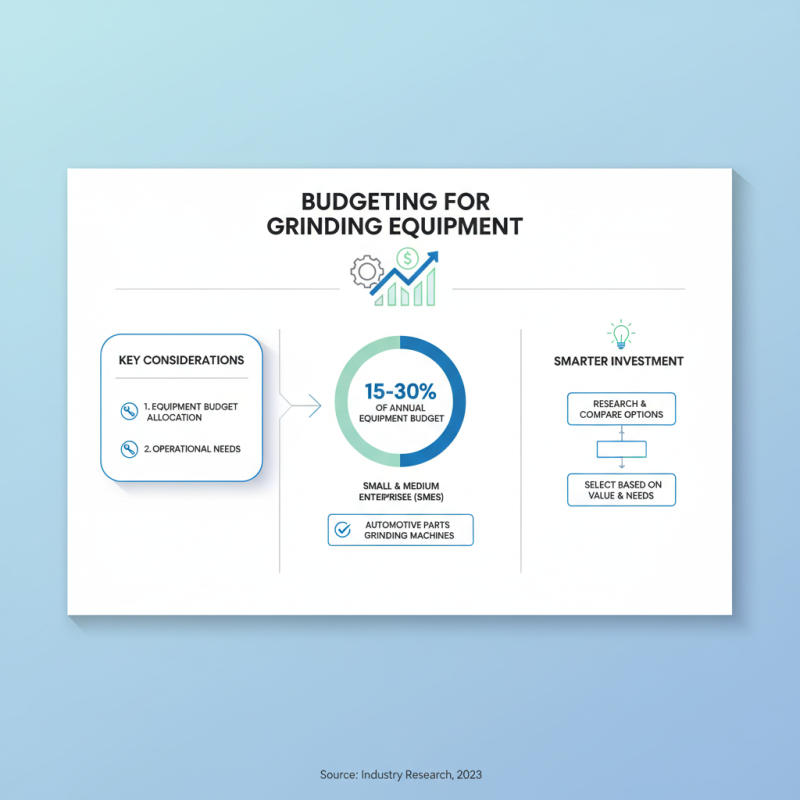
When considering the purchase of automotive parts grinding machines, budget plays a crucial role. Research shows that small to medium-sized enterprises often allocate about 15-30% of their annual equipment budget on grinding machines. This percentage reflects the importance of selecting the right machine without overspending. Understanding the specific needs of your operations allows for smarter investments.
Analyzing market trends, reports indicate that high-efficiency machines can reduce operational costs. These machines often lead to savings of about 20% on energy consumption. However, initial costs may be higher. These machines often justify their price by sustaining longer operational lifespans and requiring fewer replacements. A 2019 industry survey revealed that manufacturers regretted purchasing low-cost machines due to higher maintenance expenses.
While it's tempting to focus solely on price, consider total cost of ownership. Maintenance, part availability, and operational efficiency also matter. The average lifespan of a well-chosen grinding machine ranges from 5-10 years, but many companies overlook this when budgeting. Balancing upfront costs against long-term benefits is essential. Remember, a cheaper option today might lead to greater expenses down the road.