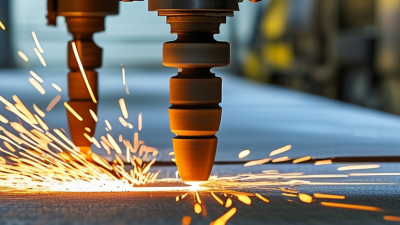
What is Surface Grinding Machines and How They Work?
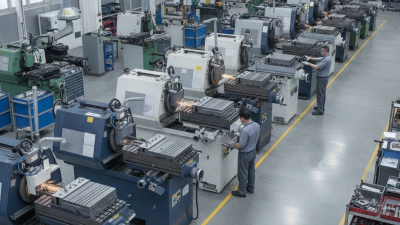
Surface Grinding Machines play a crucial role in modern manufacturing. These machines are essential for producing flat surfaces on various materials. They operate by using a rotating abrasive wheel to remove material from a workpiece. Precision is key in this process, ensuring the workpiece meets exact specifications.
Understanding how Surface Grinding Machines work can enhance productivity in workshops. They are vital in industries like automotive and aerospace. However, novice users might find it challenging to achieve optimal results. Some common issues include uneven surfaces or incorrect settings. These errors highlight the need for proper training and knowledge.
Efficiency and effectiveness depend on machine selection and operator skill. Each component, from the abrasive wheel to the feed rate, affects the final outcome. By refining techniques and understanding materials, users can improve their grinding practices. Thus, mastery of Surface Grinding Machines is essential for achieving high-quality results.
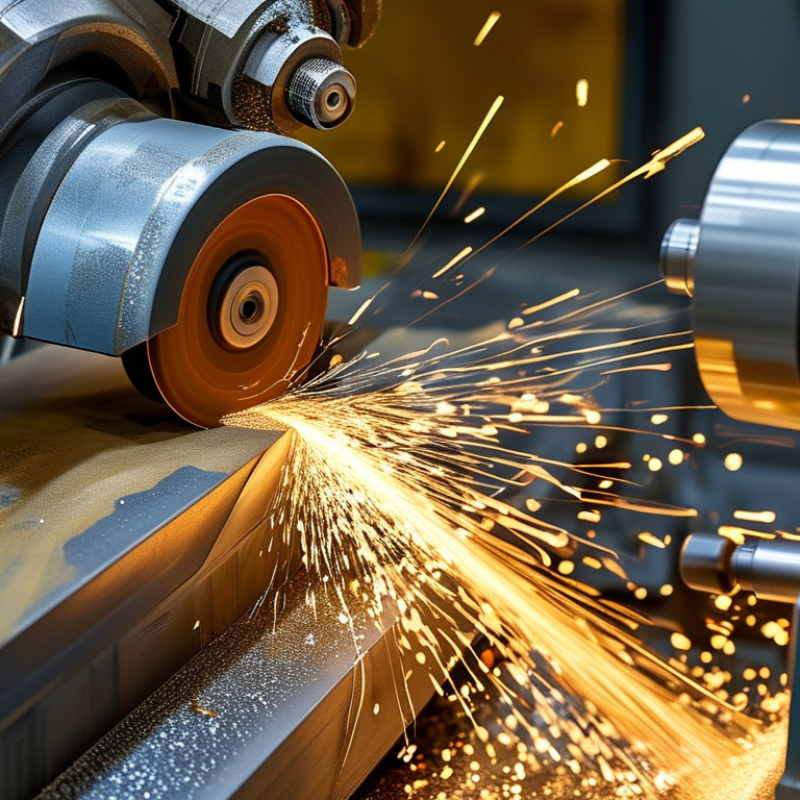
Understanding Surface Grinding Machines: An Overview
Surface grinding machines are essential in the metalworking industry. They provide precision and efficiency in finishing flat surfaces. According to a recent industry report, the demand for surface grinding machines is expected to grow by 5.2% annually over the next five years. This growth highlights their importance in various sectors.
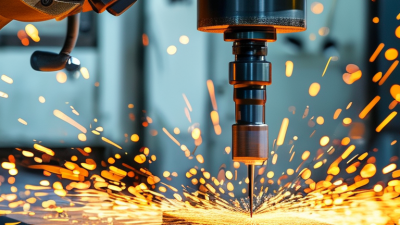
Understanding how these machines work is crucial. They use a rotating abrasive wheel to grind away material. This process ensures a smooth and flat surface. Operators must ensure proper alignment and setup for optimal performance. However, achieving consistent results can be challenging. Even experienced operators may encounter issues such as uneven wear on grinding wheels or vibrations during operation.
Regular maintenance is vital for maximizing machine lifespan and performance. Frequent inspections can prevent breakdowns and costly downtime. Yet, many facilities still overlook these practices. The lack of attention to detail can lead to significant production losses. Training operators on best practices can enhance reliability. The collective knowledge in the industry can foster better results and innovations.
Components of Surface Grinding Machines and Their Functions
Surface grinding machines are essential tools in the machining world. They are designed to produce a flat surface on workpieces. These machines utilize a rotating wheel with a rough surface to remove material and generate smooth finishes. Understanding the components is crucial to grasping how they operate effectively.
The main component is the grinding wheel. It spins rapidly and has abrasive particles. The machine's motor drives this wheel. The wheel must be chosen carefully based on the material being worked on. The worktable holds the workpiece in place. It can move in multiple directions, ensuring precision. A coolant system is often integrated to dissipate heat and lubricate the wheel.
Another vital part is the spindle, which supports the grinding wheel. It must maintain stable speeds for accurate grinding. The machine may also have a feed mechanism to control the depth of the cut. Each component plays a role in achieving desired surface finishes. Misalignments or wear in any part can lead to defects. Regular checks and maintenance enhance reliability but can be easy to overlook.
Surface Grinding Machines Components and Their Functions
Types of Surface Grinding Machines and Their Applications
Surface grinding machines are essential in manufacturing. They offer precision for flat surfaces. Each type of machine serves a unique purpose in different industries.
The most common type is the horizontal spindle grinding machine. It uses a rotating wheel aligned horizontally. This machine excels at producing flat surfaces on materials like steel. It’s widely used in automotive and aerospace sectors. Another type is the vertical spindle grinder. This version is better for irregularly shaped parts. It can grind grooves and slots effectively, making it valuable in tool and die shops.
However, operating these machines requires skill. Even small mistakes can lead to surface errors. Operators need to monitor the process closely. Understanding the material and wheel type is crucial. Inexperienced operators might face challenges, leading to inconsistent results. This highlights the importance of training and experience in achieving high-quality finishes.
The Operating Principles of Surface Grinding Machines
Surface grinding machines are essential tools in machining processes. They are used to produce a smooth finish on flat surfaces. Understanding their operating principles can enhance your machining skills and produce better results.
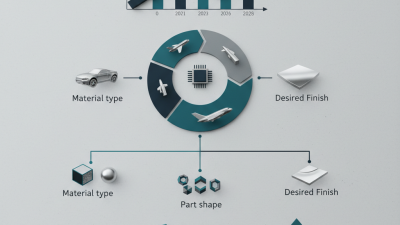
A key component is the grinding wheel. It rotates at high speed, removing material from the workpiece. The workpiece moves back and forth underneath this wheel. Correct wheel selection is crucial for efficiency. Not all wheels work for every material. You might find that choosing the right grit size can significantly affect your results.
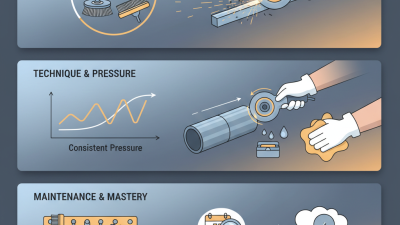
Tips: Always ensure the workpiece is secured properly before starting. A loose workpiece can lead to inaccuracies and safety hazards. Regularly inspect the grinding wheel for wear. A worn wheel can compromise the finished surface quality. Adjustments often need reflection and testing to gauge their effectiveness. Sometimes, small changes lead to notable improvements.
Maintenance and Safety Practices for Surface Grinding Machines
Proper maintenance and safety practices for surface grinding machines are vital in ensuring their longevity and performance. Operators should always inspect machines before use. Checking for any signs of wear or damage can prevent accidents. Keeping the work area tidy also helps maintain focus and safety.
Tips: Always wear appropriate personal protective equipment (PPE). This includes goggles and gloves. Never overlook the importance of hearing protection. Loud noises during grinding can lead to long-term damage to hearing.
Regular cleaning is essential after each use. Accumulated debris can affect the machine's performance and lead to potential hazards. Use a brush or vacuum to remove grinding dust. Additionally, ensure that the grinding wheel is properly dressed. An uneven wheel can cause vibrations and compromise safety.
Maintaining lubrication in moving parts is crucial for seamless operation. Dry components can lead to increased friction, causing wear and tear. While these machines are robust, they’re not invincible. Reflecting on past maintenance practices can unveil areas needing improvement. Always document any issues and resolutions for future reference.