Top 10 Tips for Choosing an Engine Blocks Deburring Machine?
Choosing the right Engine Blocks Deburring Machine can significantly impact your manufacturing process. This decision requires careful consideration of various factors. The right equipment not only improves efficiency but also enhances the quality of your engine blocks.
When selecting an Engine Blocks Deburring Machine, one must evaluate features such as speed, durability, and maintenance requirements. It's essential to look for machines that can handle the specific materials used in engine blocks. Some models might excel in speed but fall short on durability. Balancing these aspects is vital in achieving long-term reliability.
Additionally, be mindful of the machine's footprint and ease of integration into your existing workflow. Sometimes, the perfect machine may not fit seamlessly into your operation, requiring adjustments. It's important to reflect on what truly meets your needs. Mistakes in selecting equipment can lead to increased costs and inefficiencies. Aim for a well-informed choice by considering both immediate and future requirements.
Understanding the Importance of Deburring in Engine Block Manufacturing
Deburring is a crucial process in engine block manufacturing. It ensures that all edges and surfaces are smooth, eliminating any sharp or rough spots. According to industry reports, around 30% of engine failures can be traced back to improper deburring. This statistic highlights the significance of investing in effective deburring solutions.
Rough edges can lead to friction and wear during operation. In turn, this increases maintenance costs and reduces engine lifespan. Manufacturers must be aware that not all deburring machines deliver the same results. The effectiveness largely depends on the technology and design of the machine. Some devices may create additional issues, such as surface damage. Understanding these factors can help in making informed decisions.
When selecting a deburring machine, consider the specific needs of your production line. Pay attention to the machine's material compatibility, size, and speed. Aim for machines that can handle different types of engine materials. This versatility can enhance production efficiency. It's also wise to read user reviews and seek expert opinions. This approach can provide insights that data alone may not reveal. Balancing quality with cost is essential for long-term success in this competitive industry.
Types of Deburring Machines for Engine Blocks and Their Functions
Deburring machines for engine blocks come in various types, each serving specific functions. One common type is the rotary deburring machine. This machine utilizes abrasive wheels for efficient edge smoothing and removal of burrs. Industry data suggests that rotary machines can reduce deburring time by up to 40%, significantly increasing productivity for automotive manufacturers.
Another popular option is the vibratory deburring machine. This machine employs vibrational energy to agitate parts in a media-filled chamber. This process gently removes burrs without damaging the parts. According to reports, vibratory machines can handle delicate components and maintain tight tolerances. They are often used for smaller engine blocks, ensuring quality while minimizing wear on precision surfaces.
The choice of a deburring machine should be influenced by the specific needs of the project. Some machines may excel in speed but could compromise the surface finish. Additionally, selecting the wrong type could lead to increased maintenance costs. It's crucial to assess each machine's capabilities against production goals and budget constraints to ensure optimal performance.
Key Features to Look for in a Deburring Machine
When selecting a deburring machine for engine blocks, understanding key features is vital. Efficiency is paramount. A high feed rate can significantly reduce processing time. Look for machines with adjustable speeds to accommodate different materials. Flexibility in operation helps adapt to various engine designs.
The construction quality of the machine also matters. A rigid frame minimizes vibrations and enhances accuracy. Consider machines with durable components that ensure longevity. Pay attention to ease of maintenance. Compact designs may save space but can complicate access for necessary repairs. Simplicity in upkeep can lead to better performance over time.
Monitoring technology is an emerging feature to consider. Some machines come with sensors that track performance and alert operators of issues. This improves reliability and reduces downtime. However, be cautious—integrating too many advanced features can complicate the operation for some users. Selecting a machine is a balance of technology and user-friendliness.
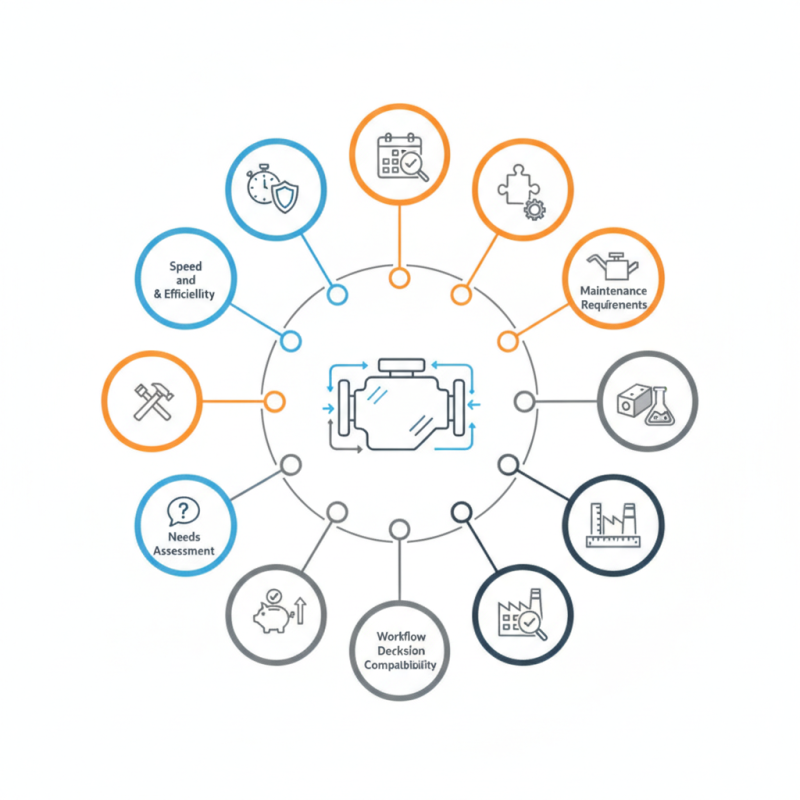
Top 10 Tips for Choosing an Engine Blocks Deburring Machine
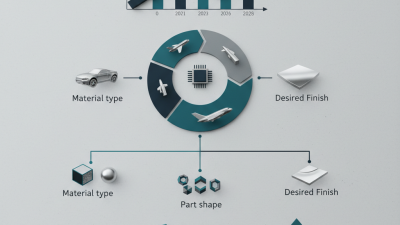
This chart illustrates the importance ratings for various key features to consider when choosing an engine blocks deburring machine. Each feature is rated on a scale from 1 to 10 based on its significance in making a purchasing decision.
Assessing Your Production Needs and Budget
When selecting an engine block deburring machine, understanding your production needs and budget is crucial. According to the Precision Machined Products Association, over 25% of manufacturers face challenges in production efficiency due to inadequate equipment. Investing time in this assessment can greatly enhance operational success.
Evaluate your production volume carefully. If you handle large batches regularly, a more advanced machine may be appropriate. However, smaller operations might benefit from a simpler model. Look for machines that offer versatility without compromising on efficiency. Check for user-friendly interfaces. Machines that are easier to operate can reduce training costs and minimize production downtime.
Be mindful of budget constraints. A comprehensive market analysis is vital to make informed purchasing decisions. Research indicates that companies often underestimate maintenance costs, which can be significant. Make sure to include these in your budget considerations. Don’t overlook the importance of seller support. Reliable after-sales service is essential for maintaining machine performance over time.