How to Choose the Best Gravity Pour Casting Machine?
Choosing the right Gravity Pour Casting Machine is crucial for any metal fabrication business. The quality of your cast products often depends on the equipment you use. This machine allows for precise control over metal flow, which leads to better outcomes.
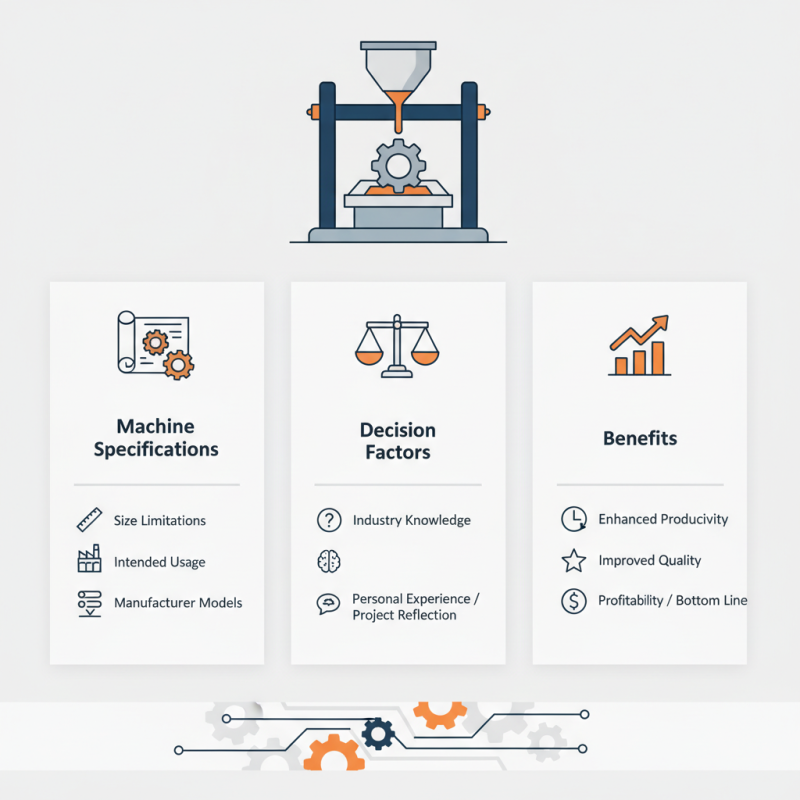
Many factors contribute to making a sound decision. You need to consider machine specifications, size limitations, and intended usage. Manufacturers offer different models, each with unique capabilities. An informed choice involves weighing these aspects carefully.
Investing in a Gravity Pour Casting Machine demands research and assessment. Industry knowledge is essential, but personal experience also plays a significant role. Reflect on previous projects and the results achieved. Consider what improvements could have been made. Finding the right machine can enhance productivity and quality, ultimately affecting your bottom line.
Understanding the Basics of Gravity Pour Casting Machines
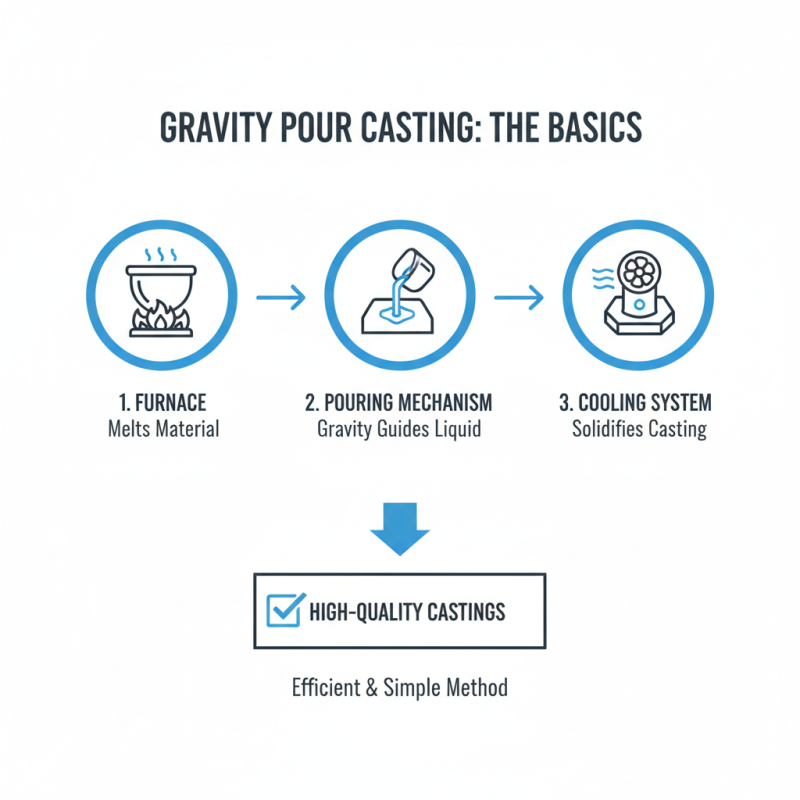
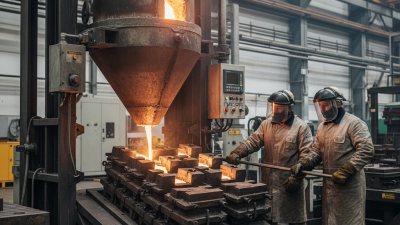
When exploring gravity pour casting machines, understanding their fundamental components is essential. These machines utilize gravity to pour molten material into molds. This method is popular for its efficiency and simplicity. The machine generally includes a furnace, a pouring mechanism, and a cooling system. Each part must function cohesively to ensure high-quality castings.
Another aspect to consider is the material being cast. Different metals require specific temperatures and pouring techniques. For example, aluminum melts at lower temperatures than bronze. Operators must be familiar with these materials to optimize the casting process. Additionally, the mold design directly impacts the quality of the final product. Molds need to accommodate expansion and contraction during cooling.
While gravity pour casting machines are efficient, they are not without challenges. Pouring at the wrong angle can lead to air pockets or uneven surfaces. It’s crucial to maintain a steady hand and controlled pouring speed. Operators should reflect on their techniques regularly for improvement. Regular maintenance of the machine is also necessary. Overlooking minor issues can escalate into significant problems. Understanding these variables is vital for producing the best castings.
Key Features to Consider When Selecting a Casting Machine
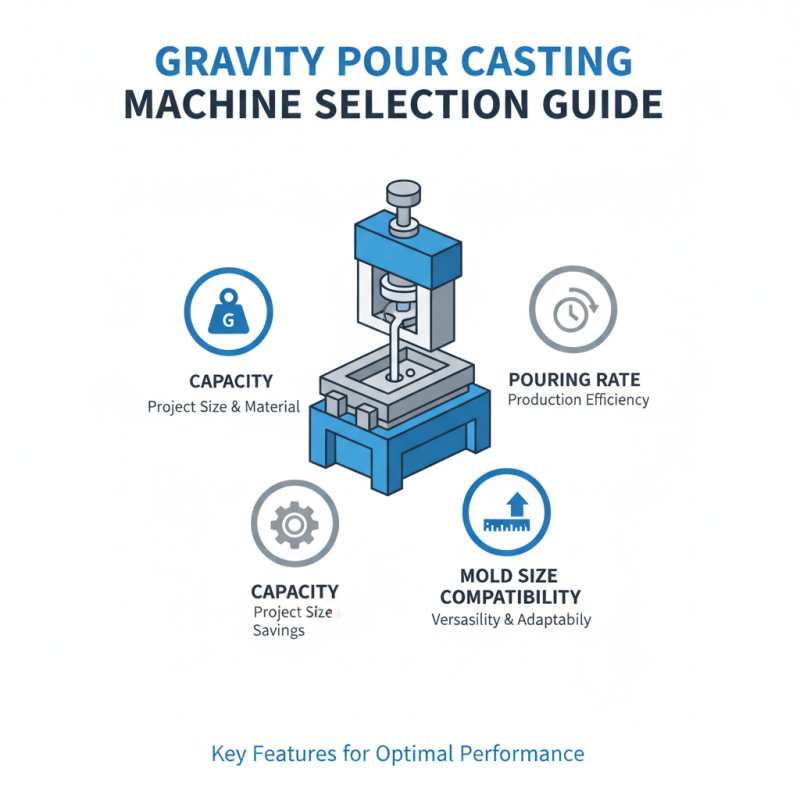
When selecting a gravity pour casting machine, understanding its key features is essential. The machine's capacity is a significant factor to consider. Different projects may require different sizes, and ensuring your machine has the right capacity can save time and material. Pay attention to the pouring rate, as this impacts production efficiency.
Another critical aspect is the material compatibility. Various alloys and metals demand machines that can handle their unique properties. Making a mistake here could lead to defects in the final product. Additionally, look for machines with adjustable settings. Customization can greatly enhance the casting process, allowing for better-quality outputs.
Safety features deserve consideration as well. Machines should have reliable safety mechanisms to protect operators. This could include emergency shut-off systems and safety guards. Consider seeking machines with good customer support and maintenance options. A machine's reliability can suffer without proper support, leading to frustrating downtime. Each of these factors will influence your overall satisfaction with the machine you choose.
Comparing Different Models and Brands of Gravity Pour Machines
When exploring gravity pour casting machines, it’s crucial to compare various models and brands. Each machine offers unique features tailored for specific applications. Some models excel in efficiency, while others prioritize precision. Not all machines provide the same level of durability; therefore, reviewing material specifications is essential. A solid machine should withstand repeated use in demanding environments.
User feedback is invaluable in this selection process. Many operators highlight their experiences, offering insights into ease of use and maintenance. Some machines, while robust, may require frequent adjustments. Others might have a steeper learning curve. Diving into reviews can reveal patterns in reliability and performance. A hands-on demonstration can also clarify which model feels the most intuitive.
Keep an eye on the warranty and customer support. Some brands might present longer warranties than others, indicating confidence in their product. However, a lengthy warranty doesn't always translate to superior quality. Be prepared to research the manufacturer's reputation in the industry. Identifying a trusted source can make a significant difference in your investment and satisfaction over time.
Comparison of Gravity Pour Casting Machines
This chart compares various models of gravity pour casting machines based on their pouring speed and weight. Model C stands out with the highest pouring speed, while Model B has the lowest weight among the options analyzed.
Assessing Your Production Needs for Optimal Machine Choice
When evaluating your production needs for a gravity pour casting machine, several factors come into play. One essential aspect is the scale of your operations. According to industry reports, around 70% of manufacturers emphasize the importance of aligning machine capabilities with production frequency. If your output demand is high, consider a machine with faster cycle times. However, balancing speed with quality is crucial. A machine that sacrifices precision for speed may lead to higher reject rates.
The material types you intend to cast also impact your choice. Different machines cater to specific alloys and metal combinations. Data shows that over 80% of casting defects arise from incompatible material use. Reflect on the types of metals you will primarily utilize. Understanding these requirements will help in selecting machinery that meets your unique challenges.
Production space is another critical factor. Many facilities underestimate the area required for optimal machine placement and operation. Reports indicate that poorly planned spaces can lead to workflow inefficiencies. Take time to assess your layout. Ensure that you allocate sufficient room for maintenance, material handling, and operator safety. Failing to consider these aspects could lead to costly disruptions in production.
Maintenance and Support for Gravity Pour Casting Machines
Maintaining a gravity pour casting machine is crucial for its longevity and optimal performance. Regular checks on parts can prevent unexpected breakdowns. Focus on wear-prone components like the pouring nozzle and heating elements. These components need replacement after extended use. Develop a routine schedule for maintenance, as neglect can lead to costly repairs.
Support for these machines is equally important. Knowledgeable technicians can diagnose issues quickly. Having access to manuals and online resources is invaluable. Training for operators should cover both regular maintenance tasks and troubleshooting techniques. This ensures fewer delays in production. Communication with support teams can clarify doubts and facilitate timely repairs.
Despite meticulous care, machines may still face challenges. It’s vital to adapt and learn from operational faults. Documenting these experiences helps in refining maintenance practices. Emphasizing a culture of continuous improvement will foster a more resilient operation overall. Balancing routine upkeep with a proactive support strategy can significantly enhance productivity.