leave a message

Top 10 Automotive Parts Grinding Machines for Global Buyers

Choosing the right Automotive Parts Grinding Machine can influence accuracy, production speed, and long-term operating costs. Global buyers must look beyond attractive specifications. Wheel stability, spindle performance, coolant control, automation, and service support often decide real workshop results. A machine producing smooth brake discs may not suit hardened gears or compact steering components.

Jeffrey A. Badger, Ph.D., a widely recognized grinding specialist, states, “Grinding is a science, not an art.” His observation remains practical on modern production floors. A small change in wheel grade, dressing frequency, or coolant temperature can alter surface finish within hours. Operators may notice this through visible burn marks, changing noise, or inconsistent measurements.

This guide examines ten grinding machines for automotive applications worldwide. Each option is considered through practical criteria, including tolerances, workpiece capacity, cycle time, energy use, controls, and maintenance access. Safety systems and technical support also matter, especially for buyers operating across different regions.

No ranking is perfect. A premium machine may be excessive for a small supplier. A lower-cost model may create hidden expenses through downtime or limited spare parts. Buyers should compare actual components, not only brochures. A test grind using representative steel parts can reveal more than a long specification sheet. The strongest choice balances precision, reliability, operator skill, and future production needs. That balance is sometimes difficult to measure. Yet it is where responsible purchasing begins.
Top 10 Automotive Parts Grinding Machines for Global Buyers

Automotive Parts Grinding Machines: Purpose, Scope, and Core Functions

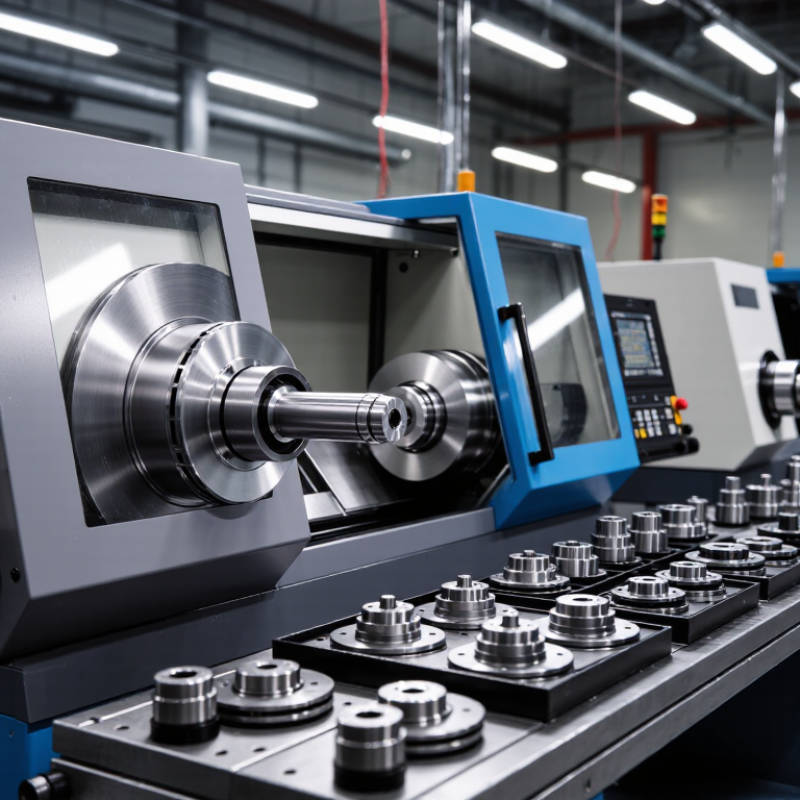
Automotive parts grinding machines remove small amounts of material with controlled abrasive action. They improve dimensions, surface finish, and contact accuracy on critical vehicle components. Common applications include brake discs, crankshafts, gears, bearings, valves, and steering parts. Each component demands a different grinding method.

A production technician typically checks wheel condition, coolant flow, clamping pressure, and dressing frequency before machining. These details affect heat, vibration, and final tolerance. Cylindrical grinders handle round shafts, while surface grinders process flat faces. Centerless systems support high-volume shafts without traditional workholding. CNC control can manage repeated paths, compensation, and in-process measurements.

Precision matters here. A slight thermal crack may remain invisible after cleaning. Buyers should examine spindle speed, machine rigidity, dressing systems, filtration, and inspection compatibility. The machine must also match local power standards, operator training, maintenance access, and safety requirements. Supplier documentation should state achievable tolerances under defined conditions, not vague performance claims.

Perfect consistency is difficult. Tool wear changes results. Even experienced operators can miss gradual vibration. That is why trial grinding, sample inspection, and maintenance records deserve attention before global purchasing decisions. A lower purchase price may create higher costs through rejected parts, longer setup times, or unavailable service support.
Top 10 Grinding Machine Types for Automotive Component Manufacturing

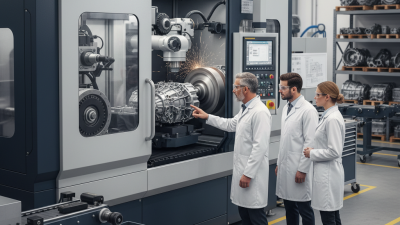
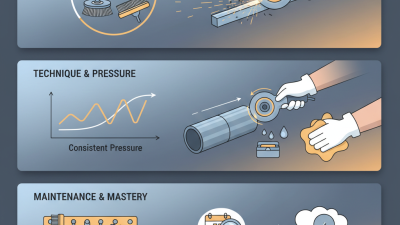
Automotive component manufacturing depends on grinding machines that deliver repeatable size, shape, and surface quality. Cylindrical grinders handle shafts, pins, and bearing seats with controlled outside diameters. Centerless grinders support high-volume production without clamping each workpiece. Surface grinders create flat faces on brake components and precision plates. Internal grinders finish bores inside gears, sleeves, and hydraulic parts. Each type needs suitable wheels, coolant flow, and measurement routines.

Thread grinders produce accurate threads for steering and fastening components. Gear grinders refine tooth profiles after heat treatment, where small errors can increase noise. Camshaft grinders follow complex lobe profiles while controlling lift and timing. Crankshaft grinders remove limited material from journals and fillets, demanding stable fixturing. These machines often need skilled setup, not just impressive specifications. Poor dressing can ruin an otherwise expensive process.

Tool and cutter grinders sharpen drills, milling tools, and forming cutters used across a factory. Double-disc grinders process two parallel faces quickly, making them useful for spacers and transmission plates. Global buyers should check spindle speed, axis travel, wheel size, automation, and after-sales training. Compatibility with local voltage and inspection equipment also matters. A faster machine is not always better. Excessive speed may increase heat, distortion, or wheel wear. Trial grinding with real automotive materials can reveal problems that brochures overlook.

Key Specifications and Performance Criteria for Global Buyers

Top 10 Automotive Parts Grinding Machines for Global Buyers

Choosing among the top ten automotive parts grinding machines requires more than comparing price and wheel speed. Buyers should examine spindle power, grinding diameter, workpiece length, and achievable tolerance. A machine rated for 0.005 mm accuracy may perform differently after continuous production. Ask for inspection reports using actual sample parts. A high spindle speed is not automatically better. The abrasive wheel, material hardness, and thermal control must match the application.

Coolant filtration is a practical performance criterion. Fine metal particles can damage pumps, affect surface finish, and increase maintenance time. Check the machine’s enclosure, noise level, electrical requirements, and compatibility with local factory standards. Automatic loading can improve output, but it also adds sensors and possible downtime. Manual access remains useful during setup and small-batch work. That trade-off deserves careful review.

Tips: Request a cutting test before purchase. Measure roundness, surface roughness, cycle time, and heat marks. Confirm spare-part availability and remote support in your region. Review operating manuals in a language your technicians understand. Do not rely only on catalog figures; real factory conditions may expose vibration, coolant, or fixturing problems. Leave capacity for future components, but avoid buying oversized equipment without a clear production reason.

Applications Across Engine, Transmission, Brake, and Chassis Parts

Top 10 Automotive Parts Grinding Machines for Global Buyers

Applications Across Engine, Transmission, Brake, and Chassis Parts

Engine components demand stable grinding under heat and repeated loading.

Crankshafts, camshafts, and valve seats need controlled removal and consistent surface finishes. In shop trials, operators often check wheel balance before setting the final pass. Small vibration can create visible patterns on a journal. It happens more often than expected.

Transmission production uses grinding machines for gears, shafts, synchronizer rings, and bearing seats.

Profile grinding supports accurate tooth geometry, while cylindrical grinding refines shaft diameters. Skilled technicians monitor dressing intervals, coolant flow, and thermal drift. A clean coolant stream matters. Without it, burning or dimensional variation may appear after several parts.

Brake and chassis parts require both precision and repeatability.

Disc grinding machines can control rotor thickness and parallelism, while centerless systems support pins, rods, and suspension shafts. For brake components, inspection should include runout, surface roughness, and edge condition. Chassis joints may need different wheel specifications because materials and shapes vary. A machine that performs well on steel discs may struggle with hardened pins. This is an easy purchasing mistake.

Global buyers should compare workpiece range, automation options, guarding, maintenance access, and documented inspection results. Independent sample testing remains valuable before approving a production machine.

Safety, Maintenance, Compliance, and Supplier Evaluation Guidelines

For global buyers, safety begins with the machine’s physical design. A safe grinder should have enclosed wheels, interlocked guards, emergency stops, and clear operating instructions. Check coolant mist control, noise levels, lighting, and access around the work area. Operators still need suitable eye, hearing, and hand protection. Small omissions become expensive.

Maintenance should be judged during a live demonstration, not from brochures. Ask how quickly wheels can be dressed, filters changed, and spindle vibration checked. Inspect coolant tanks for easy cleaning and confirm that maintenance points are clearly labeled. Request service intervals, spare-parts lists, troubleshooting guides, and operator training records. A practical logbook can reveal repeated overheating or unstable tolerances. It is easy to overlook.

Compliance documents should match the destination country, voltage, guarding design, and workplace requirements. Ask for risk assessments, electrical test records, material declarations, and translated manuals. During factory acceptance testing, measure surface finish, dimensional accuracy, cycle time, and noise under realistic loads. Keep signed results for later comparison.

Supplier evaluation requires more than a polished factory tour. Review engineering experience, technician availability, training quality, warranty limits, and response times across time zones. Ask for references from comparable production environments, without accepting unverified claims. A remote support plan is useful, but it cannot replace local technical capability. Buyers should also inspect packaging, corrosion protection, installation instructions, and shipment insurance. An honest weakness in the supplier’s process may be easier to manage than hidden confidence.