leave a message

Why Choose Automatic Polishing Lines for Your Factory?

Why Choose Automatic Polishing Lines for Your Factory?

Factory managers are under pressure to improve finish quality, output, and workplace consistency. Automatic Polishing Lines address these demands with controlled pressure, programmed motion, and repeatable abrasive contact. A skilled operator may polish a curved stainless-steel panel beautifully. However, repeating that result across hundreds of panels is difficult. Fatigue, dust, changing pressure, and small process variations can quickly affect the surface.

The International Federation of Robotics reported 541,302 industrial robots were installed worldwide in 2023. Its World Robotics 2024 report also recorded more than 4.2 million robots operating globally. These figures show that industrial automation is no longer experimental. It is becoming a practical production strategy. The precise return depends on product geometry, labor costs, energy use, and maintenance discipline. The equipment alone cannot guarantee success.

Jeff Burnstein, president of the Association for Advancing Automation, has said, “Robots are not taking jobs; they’re changing jobs.” That observation applies strongly to polishing. Operators can move from repetitive contact work toward programming, inspection, tooling, and process control. A line can also reduce direct exposure to dust and vibration, when designed with proper extraction and guarding.

Still, automation is not magic. A poorly selected abrasive, unstable fixture, or incomplete quality plan may reproduce defects faster. Factories should test sample parts before purchasing. They should measure cycle time, roughness, reject rates, and changeover effort. Reports from IFR provide useful industry context, while real production trials provide the evidence that matters most for choosing Automatic Polishing Lines.
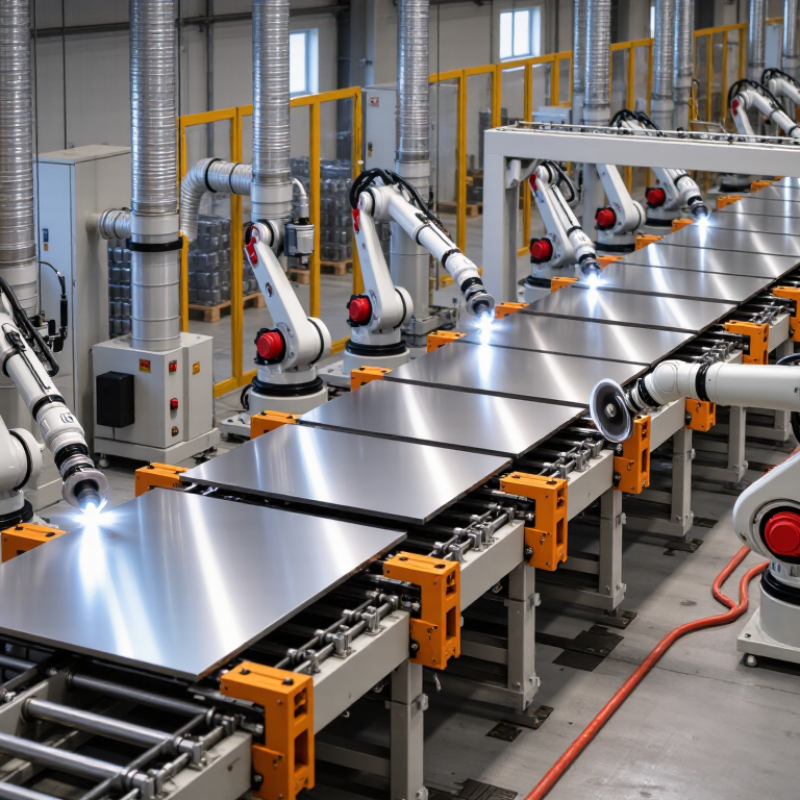
Why Choose Automatic Polishing Lines for Your Factory?

What Is an Automatic Polishing Line?

Why Choose Automatic Polishing Lines for Your Factory?

An automatic polishing line is an integrated production system that finishes parts with limited manual handling. It connects loading, abrasive grinding, buffing, cleaning, inspection, and unloading equipment. Conveyors or robotic arms move each workpiece through controlled stations. Sensors monitor pressure, speed, position, and surface quality. A programmable controller coordinates the sequence.

The process is repeatable. That matters when a metal housing needs the same satin texture across thousands of pieces. Operators can adjust belt speed, polishing pressure, and dwell time from one control panel. The line also records production data, helping engineers identify defects earlier.

However, automation is not magic. Poor part alignment, worn abrasives, or incorrect recipes still create visible marks.

Industry investment supports this direction. The International Federation of Robotics reported more than 541,000 industrial robots installed worldwide in 2023, showing stronger factory automation demand. Deloitte’s 2023 smart manufacturing survey found that 86% of respondents viewed smart manufacturing as a major competitiveness driver within five years. These figures do not guarantee a fast return. A factory must study cycle time, labor availability, product variation, dust control, and maintenance skills before installation. Sometimes, a semi-automatic cell fits better. That uncomfortable possibility deserves attention.
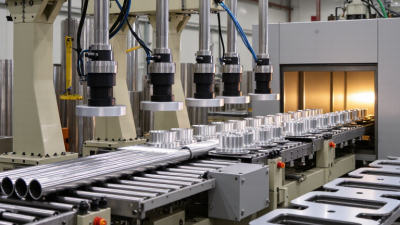
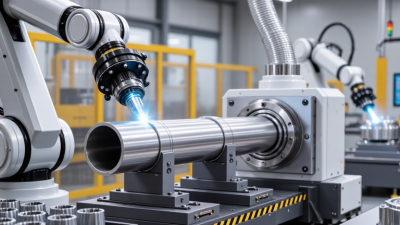
How an Automatic Polishing Line Works

Why Choose Automatic Polishing Lines for Your Factory?

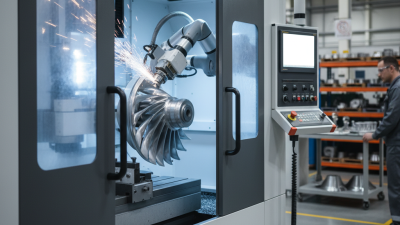
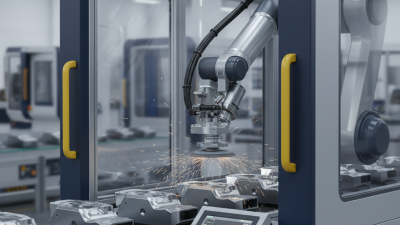
An automatic polishing line converts separate finishing tasks into one controlled workflow. Parts enter through a loading station, often on pallets or conveyors. Sensors identify their position and surface condition. Robotic arms then guide abrasive wheels, belts, or brushes across programmed paths. Pressure, speed, and contact time can be adjusted during production.

After polishing, cleaning and inspection stations check gloss, scratches, edges, and remaining residue. Some systems use cameras to detect uneven finishes. Data from each cycle can reveal worn abrasives or unstable pressure. The International Federation of Robotics reported 541,302 industrial robots were installed worldwide in 2023. This growth shows how factories increasingly depend on repeatable automation. Deloitte’s 2024 Smart Manufacturing and Operations Survey also found that 86% of manufacturers view smart manufacturing as important for future competitiveness.

Automation is not magic. A poorly selected abrasive still creates poor results. Part variation can also confuse a rigid program. Operators should test several materials before setting production parameters. That step feels slow, but it prevents expensive rework.

Tips: Keep the first trial small. Measure surface roughness before and after polishing. Record wheel wear, cycle time, and defect rates. Clean sensors every shift. Review the data weekly, because small changes often appear before visible quality problems.

Key Components and Production Stages

Why Choose Automatic Polishing Lines for Your Factory?

An automatic polishing line combines several working units into one controlled process. Common components include loading tables, transfer conveyors, abrasive heads, pressure systems, coolant delivery, and inspection stations. Each part affects surface quality. A weak conveyor can create uneven contact, even when the polishing head performs well. Modern lines also use sensors to monitor pressure, speed, temperature, and abrasive wear. These details help operators maintain stable results across long production runs.

Production usually begins with loading and alignment. Parts then move through rough grinding, intermediate polishing, fine finishing, cleaning, and inspection. The exact stages depend on material, shape, and required surface roughness. In practical factory assessments, automatic lines reduce handling marks and improve repeatability. However, automation does not remove every problem. Poor part positioning still causes defects. I have seen small fixture errors produce visible streaks across an otherwise smooth panel. That is why trial runs, sample checks, and regular calibration remain essential.

Tips: Keep abrasive pressure moderate during early trials. Record speed, temperature, and defect locations. Clean coolant filters often. Train operators to inspect edges, corners, and hidden surfaces. Do not judge performance from one perfect sample. A longer production test is more reliable. Some lines need adjustments after installation, and that is normal. A careful factory team should review finish quality, maintenance access, energy use, and changeover time before choosing the final configuration.

Benefits for Factory Efficiency and Product Quality

Why Choose Automatic Polishing Lines for Your Factory?

Automatic polishing lines can improve factory efficiency and product quality when processes are stable. They maintain consistent pressure, speed, and contact across repeated workpieces. Operators spend less time correcting uneven finishes or handling abrasive dust.

The International Federation of Robotics reported 541,302 industrial robots were installed worldwide in 2023. This represented a 10% annual increase. The figure reflects wider automation demand, not polishing alone. Deloitte’s 2023 Smart Manufacturing and Operations Survey found that 86% of manufacturing leaders viewed smart manufacturing as important for competitiveness. These findings support investment in connected polishing equipment, especially where production volumes are predictable. Sensors can identify pressure changes, worn tools, and abnormal vibration before defects spread. Less rework can also reduce material waste and delivery delays. Still, automation is not magic. Poor programming can reproduce the same defect across hundreds of parts.

Tips: Begin with a small production cell. Measure cycle time, surface roughness, rework rate, and abrasive consumption before scaling. Train operators to inspect finished surfaces, even when the line reports normal performance. Keep manual sampling in the plan. It catches problems that software may miss.

A practical line should support quick fixture changes and recipe adjustments. This matters when product sizes or surface requirements change frequently. Review data weekly, but question unusual improvements. A cleaner dashboard does not always mean better quality.

Why Choose Automatic Polishing Lines for Your Factory?

Compared with manual polishing, automatic lines can increase throughput, reduce direct labor requirements and rework, and improve first-pass yield through consistent process control. Actual results depend on material, part geometry, abrasive selection, and line configuration.

Factors to Consider Before Installation

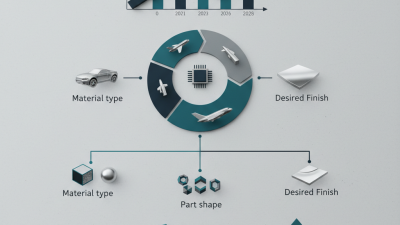
Before installing an automatic polishing line, examine the workpiece, finish target, and daily production volume. Different metals respond differently to pressure, abrasive grade, and polishing speed. A line designed for flat panels may perform poorly on curved parts. Measure the largest and smallest components carefully. Small differences can create expensive adjustments later.

Factory space also matters. Check floor strength, ceiling height, ventilation, drainage, power capacity, and material flow. Leave enough room for inspection and maintenance access. Operators should reach filters, belts, and polishing heads without unsafe climbing. Experienced engineering teams usually confirm these details through a site survey. It is a practical step, not paperwork. Utility estimates should include peak demand, not average consumption.

Test representative parts before approving the equipment layout. Include difficult surfaces, narrow edges, and parts with previous defects. Record cycle time, abrasive use, noise, dust levels, and finish consistency. A sample that polishes perfectly once may fail after several hours. That possibility deserves attention. Automatic lines can reduce repetitive labor, but they still need trained operators and disciplined maintenance. Plan spare parts, cleaning schedules, quality checks, and emergency stops from the beginning. Some factories overestimate labor savings and underestimate changeover time. That mistake is common. A flexible line may cost more initially, yet it can suit changing orders better. Ask for measurable acceptance criteria before installation, including surface roughness, throughput, reject rate, and adjustment limits.