


Robotic Grinding and Polishing for Brass and Zinc Alloy Faucets: The Future of Smart Manufacturing
The faucet industry is changing. Today's customers expect more than a product that simply controls water flow. They want attractive designs, smooth surfaces, consistent quality and reliable performance. As a result, manufacturers are investing in better materials, more refined finishes and more efficient production technologies.
For faucet manufacturers, this shift creates an important business opportunity. High-end kitchen and bathroom faucets are opening up new possibilities for companies that can deliver premium surface quality while keeping production costs under control.
Grinding and polishing are critical steps that determine the final appearance, surface consistency and manufacturing efficiency of a faucet.
For manufacturers working with brass and zinc alloy, robotic grinding and polishing offers a practical way to improve production, reduce dependence on manual labor and prepare for the next stage of smart manufacturing.
1. Why Is the High-End Faucet Market Creating New Opportunities?
Kitchen and bathroom faucets are no longer viewed as purely functional plumbing products. In residential projects, hotels, commercial buildings and renovation markets, faucets are also important design elements.
Consumers and professional buyers increasingly pay attention to details such as surface finish, color consistency, design quality and the overall feel of the product.
This creates opportunities for manufacturers that can produce premium faucets with reliable quality and attractive finishes.
Brushed metal, polished chrome, matte black, gold-tone and other decorative finishes allow manufacturers to develop differentiated product lines for different customer groups.
At the same time, international faucet brands and distributors need manufacturing partners capable of delivering consistent quality at competitive costs.
For factories, the opportunity is not simply to produce more faucets. It is to produce better faucets with greater efficiency.
As competition increases, manufacturers that improve their production technology may be better positioned to serve higher-value markets and respond to demanding customer requirements.
2. Brass and Zinc Alloy: Two Important Materials in Faucet Manufacturing
Different faucet designs require different materials, and brass and zinc alloy are both used in the industry.
Understanding their manufacturing characteristics helps factories choose the right production and finishing processes.
Brass Faucets
Brass is a copper-zinc alloy widely used for faucet bodies, valve components and other plumbing parts. Its good casting and machining characteristics make it suitable for producing complex shapes, while its compatibility with various surface treatments makes it a popular choice for many premium faucet designs.
Before plating or other decorative finishing, brass faucet bodies often require grinding and polishing to remove casting marks, machining lines and surface imperfections. A well-controlled finishing process helps prepare the surface for subsequent treatment and supports a more consistent final appearance.
Zinc Alloy Faucets
Zinc alloy is another important material for faucet manufacturing, particularly in applications where casting efficiency, complex shapes and production cost are key considerations.
It can be used to produce a wide variety of faucet components and decorative parts. However, zinc alloy components require appropriate process parameters because excessive grinding pressure or material removal can damage edges or affect dimensional accuracy. The grinding process must therefore be matched to the alloy, component geometry and required surface finish.
3. Why Grinding and Polishing Matter So Much
A faucet body may look simple after casting, but its surface can contain numerous imperfections. These may include:
- Casting marks and parting lines
- Burrs and excess material
- Uneven surfaces
- Machining marks
- Small surface defects
- Inconsistent transitions between curved surfaces
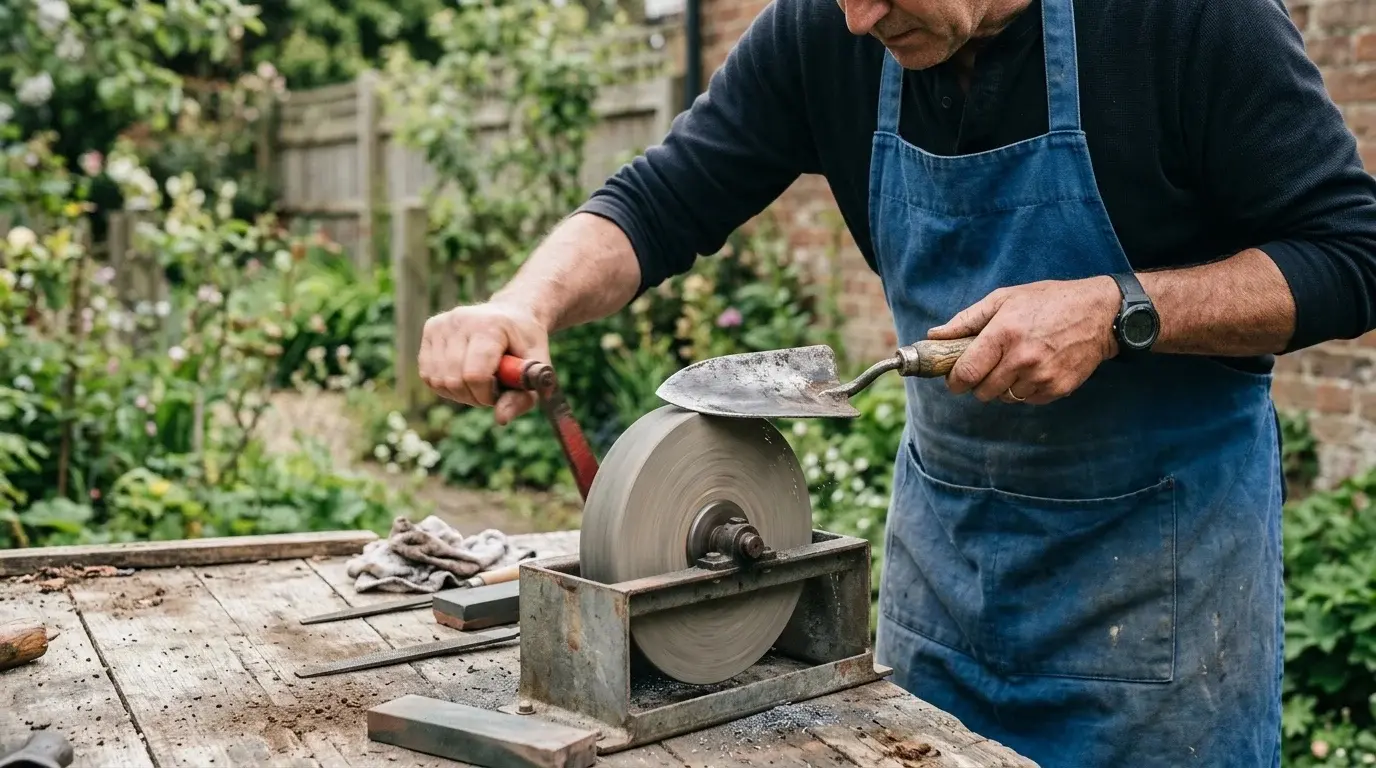
If these imperfections are not properly addressed, they can affect the final appearance and create problems during subsequent surface treatment. Manual grinding and polishing have traditionally been used to remove these defects. Skilled workers can achieve excellent results, but the process depends heavily on individual experience and technique. A premium faucet needs a premium finishing process.
4. Robotic Grinding and Polishing: A Smarter Way to Manufacture Faucets
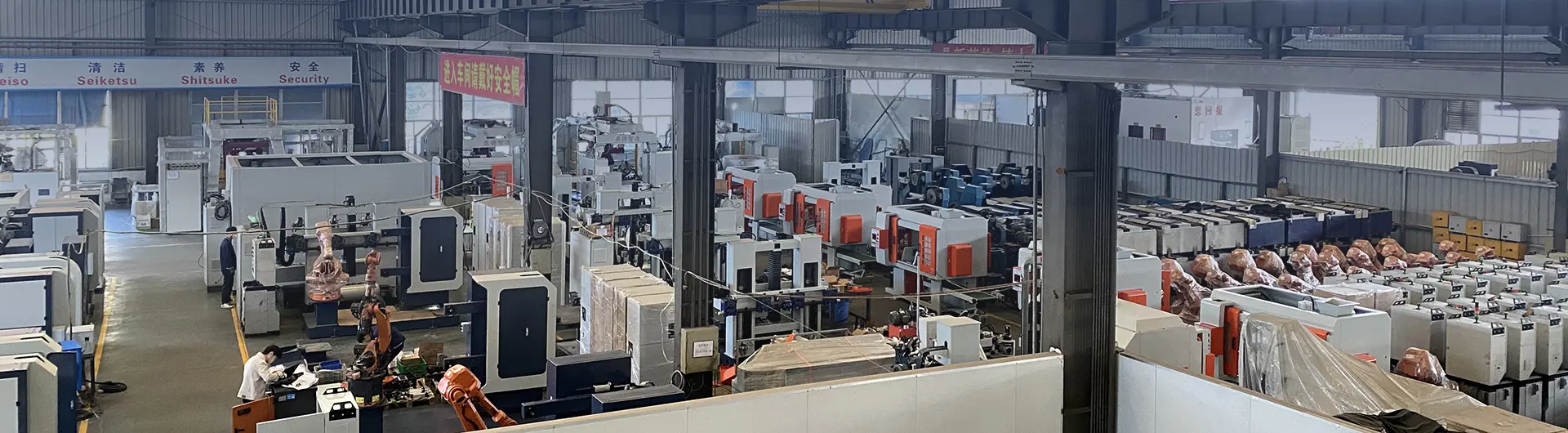
An automatic robotic grinding and polishing cell uses an industrial robot, appropriate abrasive tools, fixtures and process controls to perform repetitive surface-finishing operations.
A typical process may include: Workpiece Loading → Robotic Grinding → Surface Refinement → Robotic Polishing → Quality Inspection → Unloading
Once the process has been developed and validated, the robot can repeat the programmed movements across production batches. This helps manufacturers establish a more standardized finishing process.
5. Higher Efficiency Without Depending Entirely on Skilled Labor
Finding and retaining experienced grinding and polishing workers can be a challenge. An automated grinding and polishing cell can perform repetitive tasks according to the factory's production schedule. The potential benefits include:
- Reduced dependence on manual grinding and polishing labor
- More consistent processing cycles
- Improved production repeatability
- Higher potential production capacity
- Easier standardization of manufacturing procedures
6. Better Precision and More Consistent Surface Quality
Precision is especially important when manufacturing premium faucets. A properly configured robotic system can repeat programmed paths and maintain more consistent processing conditions. With suitable tooling, fixtures and process parameters, this helps reduce variation between components.
7. A Safer and Cleaner Production Environment
A robotic grinding cell can separate operators from repetitive grinding operations through appropriate guarding and safety systems. Dust extraction can also be integrated into the equipment to collect grinding dust at the source, supporting safer operations and better environmental management.
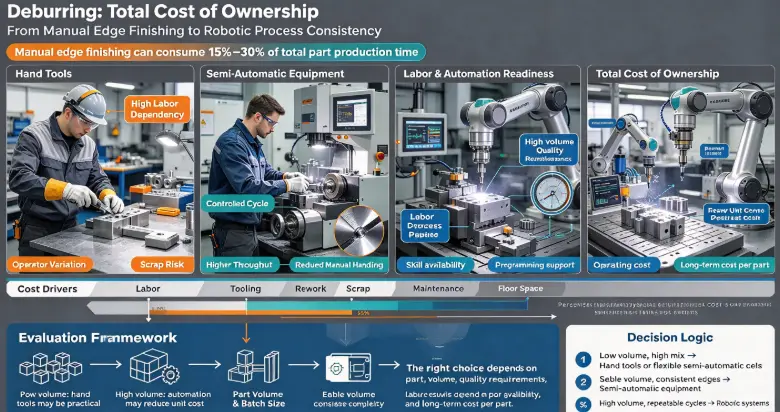
8. Lower Labor Costs and Better Long-Term Production Economics
Manufacturers should consider the ongoing costs of labor, training, quality control, rework and production interruptions. An automated cell can reduce the number of workers directly involved in repetitive finishing operations, leading to labor efficiency, consistent processing, and scalable manufacturing.
9. From Individual Machines to a More Integrated Faucet Production Line
A more effective strategy is to consider how the entire production process fits together. Integrating stages like casting, CNC machining, and robotic finishing helps manufacturers coordinate production capacity and establish a more efficient workflow.
10. Why Work with DingZhu Intelligent Equipment?
With more than 20 years of experience in grinding and polishing equipment manufacturing, Xiamen DingZhu Intelligent Equipment Co., Ltd. provides automated surface-finishing solutions for manufacturers across multiple metalworking industries.
Our equipment has been supplied to major industrial customers and well-known brands in markets including India, Brazil, Turkey and Algeria.
Prepare Your Faucet Factory for the Next Stage of Manufacturing
Automated robotic grinding and polishing can help faucet manufacturers improve efficiency, maintain more consistent surface quality, reduce dependence on manual labor and create a safer working environment.
Contact DingZhu Intelligent Equipment to discuss your faucet designs, surface-finishing requirements and plans for automated production.