
The Future of Wheel Refurbishment: A Growing Opportunity in the Automotive Aftermarket
The automotive industry is changing rapidly, but one thing remains constant: vehicles need to be maintained throughout their entire service life.
As the global number of vehicles continues to grow, the automotive aftermarket is becoming an increasingly important business sector. While much attention is given to engines, batteries, tires, and electronic components, automotive wheels represent another long-term opportunity that is often underestimated.
Every vehicle depends on its wheels, and wheels are among the components most exposed to road conditions. Scratches, curb damage, corrosion, oxidation, impact marks, and worn finishes are unavoidable over time.
This creates a continuous demand for wheel repair, refurbishment, grinding, polishing, and refinishing.
For automotive aftermarket companies, wheel refurbishment is no longer simply a repair service. With the right equipment and production process, it can become a scalable and profitable business.
More Vehicles Mean More Wheels to Maintain
The growth of the global vehicle population is creating a larger installed base of vehicles that will require aftermarket services for years to come.
A newly manufactured vehicle may only need limited maintenance during its first few years. However, as vehicles become older, the need for repair and refurbishment increases.
The same principle applies to wheels.
A vehicle with four wheels does not simply create demand for four wheels at the time of production. Over its lifetime, those wheels may need to be repaired, refinished, replaced, or refurbished several times.
This creates a recurring aftermarket opportunity.
The situation becomes even more significant as SUVs, premium passenger vehicles, electric vehicles, and other modern vehicles increasingly use larger aluminum alloy wheels with more complex surface finishes.
For companies operating in the automotive aftermarket, this means the potential customer base is not limited to new vehicle production.
It includes:
- Wheel repair shops
- Automotive service centers
- Wheel refurbishment companies
- Alloy wheel manufacturers
- Automotive parts distributors
- Used-car service providers
- Fleet maintenance companies
- Automotive aftermarket investors
The market opportunity is therefore much broader than traditional wheel manufacturing.
Why Damaged Wheels Are Becoming a Business Opportunity
Wheel damage is common.
A vehicle can accumulate scratches from curbs, surface marks from road debris, oxidation caused by environmental exposure, and other cosmetic defects during normal use. More serious impacts can also create damage that requires professional repair.
In many situations, replacing a complete wheel is not the most economical option.
A high-quality alloy wheel can be expensive, particularly for premium vehicles or larger wheel sizes. If the wheel structure remains suitable for repair, refurbishment can provide an attractive alternative.
The basic business model is straightforward:
Used or damaged wheel → professional repair → grinding and surface preparation → polishing or refinishing → restored wheel → resale or reuse
The value comes from transforming an existing component into a product that can return to the market.
This is one reason why wheel refurbishment fits naturally into the growing circular economy and automotive aftermarket.
Refurbishment Can Extend the Commercial Life of Wheels
The automotive industry is increasingly focused on resource efficiency and extending product lifecycles.
Wheel refurbishment supports this concept by allowing suitable wheels to be processed and returned to service instead of being discarded prematurely.
For businesses, the benefits can go beyond sustainability.
Refurbishment can create an additional revenue stream from used wheels, damaged wheels, and customer-owned wheels.
A professional refurbishment company can purchase used wheels, restore them, improve their appearance, and sell them as refurbished products.
Automotive service centers can add wheel repair and refinishing to their existing services.
Wheel manufacturers and distributors can also develop refurbishment capabilities to support warranty, aftermarket, and replacement-wheel operations.
This makes wheel refurbishment attractive not only as a technical process, but also as a business model.
The Challenge: Manual Refinishing Is Difficult to Scale
Although the market opportunity is attractive, traditional wheel finishing processes can become a bottleneck as production volume increases.
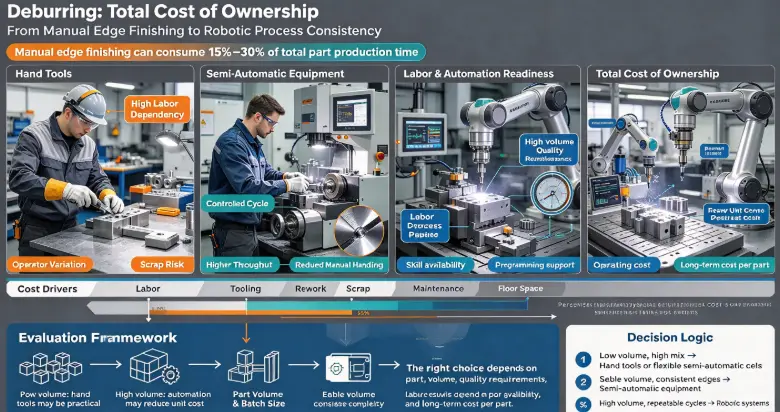
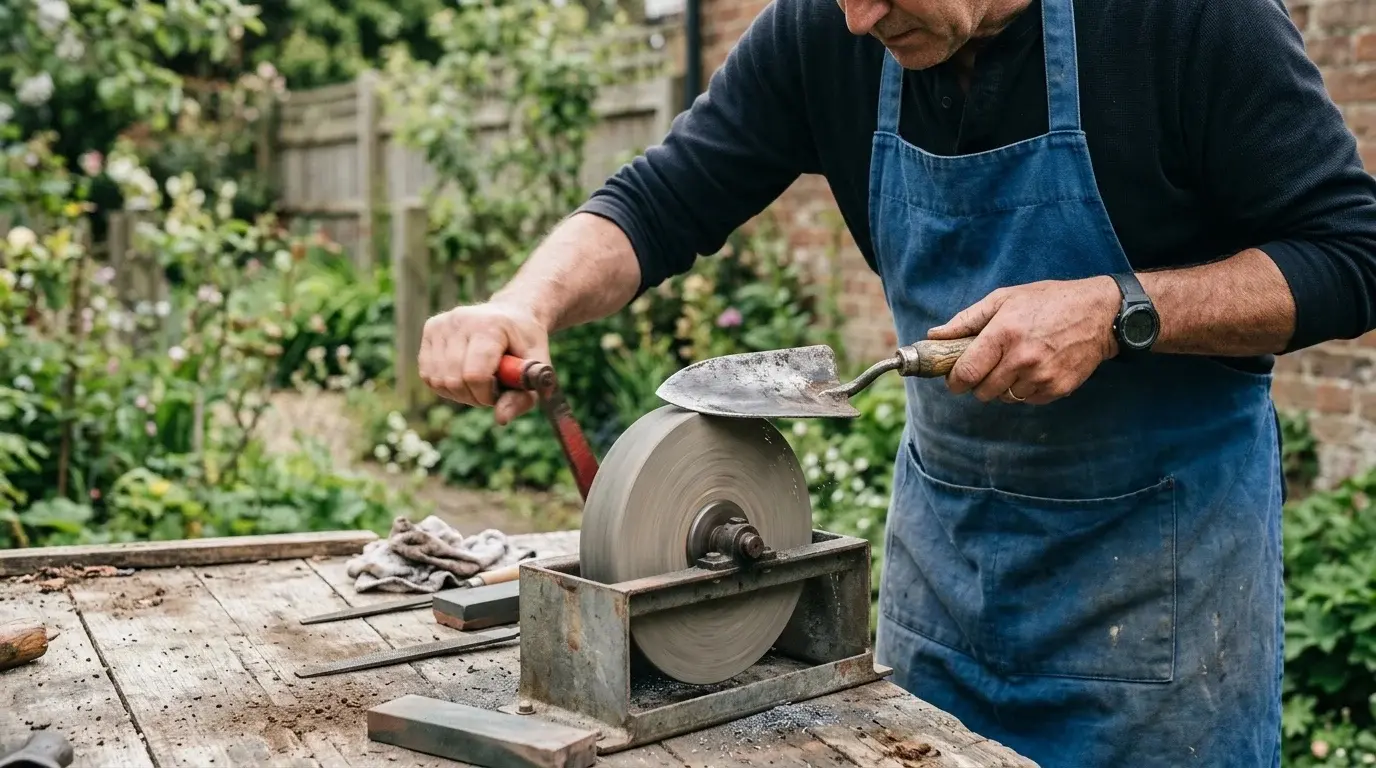
Manual grinding and polishing require skilled operators. The operator must control the position, pressure, movement, and processing time of the tool while maintaining a consistent surface finish.
This can work for small volumes, but scaling the business creates several problems.
Labor costs increase as production grows. Skilled workers can be difficult to recruit and retain. Processing quality may vary between operators, and repetitive grinding and polishing operations can create a demanding working environment.
For companies looking to process hundreds or thousands of wheels, simply adding more workers is not always the best solution.
This is where automation becomes important.
Automation Can Transform Wheel Refinishing Operations
Robotic grinding and polishing technology allows companies to move from a labor-intensive workshop model toward a more standardized production process.
An industrial robot can repeatedly move a wheel through programmed grinding and polishing paths while maintaining controlled and repeatable movements.
The result is a production system that can be designed around the company's required output, wheel specifications, finishing requirements, and available factory space.
For business owners and purchasing managers, the most important advantages include:
Higher Production Efficiency
Automated equipment can perform repetitive finishing operations continuously, helping companies increase production capacity without increasing labor at the same rate.
Consistent Surface Quality
Robot-controlled movements can provide greater process repeatability, helping reduce differences between individual wheels.
Lower Dependence on Skilled Labor
Automation reduces the amount of repetitive manual work required from operators, allowing skilled employees to focus on process supervision, quality control, maintenance, and other higher-value tasks.
Better Workplace Conditions
Grinding and polishing operations can generate dust and other workplace hazards. Automated equipment can be integrated with dust collection and safety systems, helping create a more controlled production environment.
Easier Business Expansion
Once a standardized automated process has been established, companies can expand production capacity by adding equipment rather than relying entirely on additional skilled workers.
The Opportunity Is Bigger Than Wheel Repair
The commercial potential of wheel finishing extends beyond traditional repair shops.
A mature automated wheel processing business can serve multiple customer groups.
Automotive aftermarket:
Repair and restoration of damaged or worn wheels.
Wheel refurbishment:
Purchasing used wheels, restoring their appearance, and reselling them.
Wheel manufacturing:
Grinding, polishing, and surface preparation during production.
Automotive distributors:
Preparing replacement wheels for aftermarket sales.
Fleet operators:
Maintaining and restoring wheels across large vehicle fleets.
Used-car businesses:
Improving vehicle appearance before resale.
This flexibility gives automated wheel finishing systems a wider range of applications and potential revenue sources.
Choosing the Right Automation Partner Matters
For companies investing in automation, purchasing a robot alone is not enough.
Wheel finishing involves multiple technical factors, including wheel geometry, material, surface condition, abrasive selection, tool pressure, polishing requirements, fixtures, robot programming, dust collection, and production layout.
An automation project therefore needs to be considered as a complete production system.
This is where DingZhu Intelligent Equipment can provide value.
DZ Intelligent Wheel Grinding & Polishing System
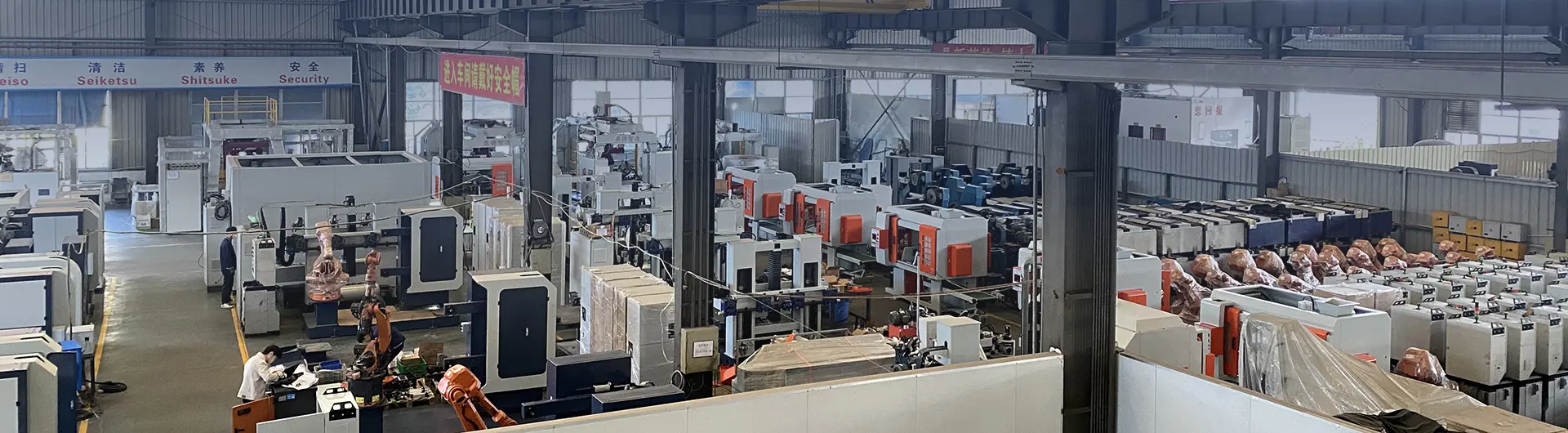
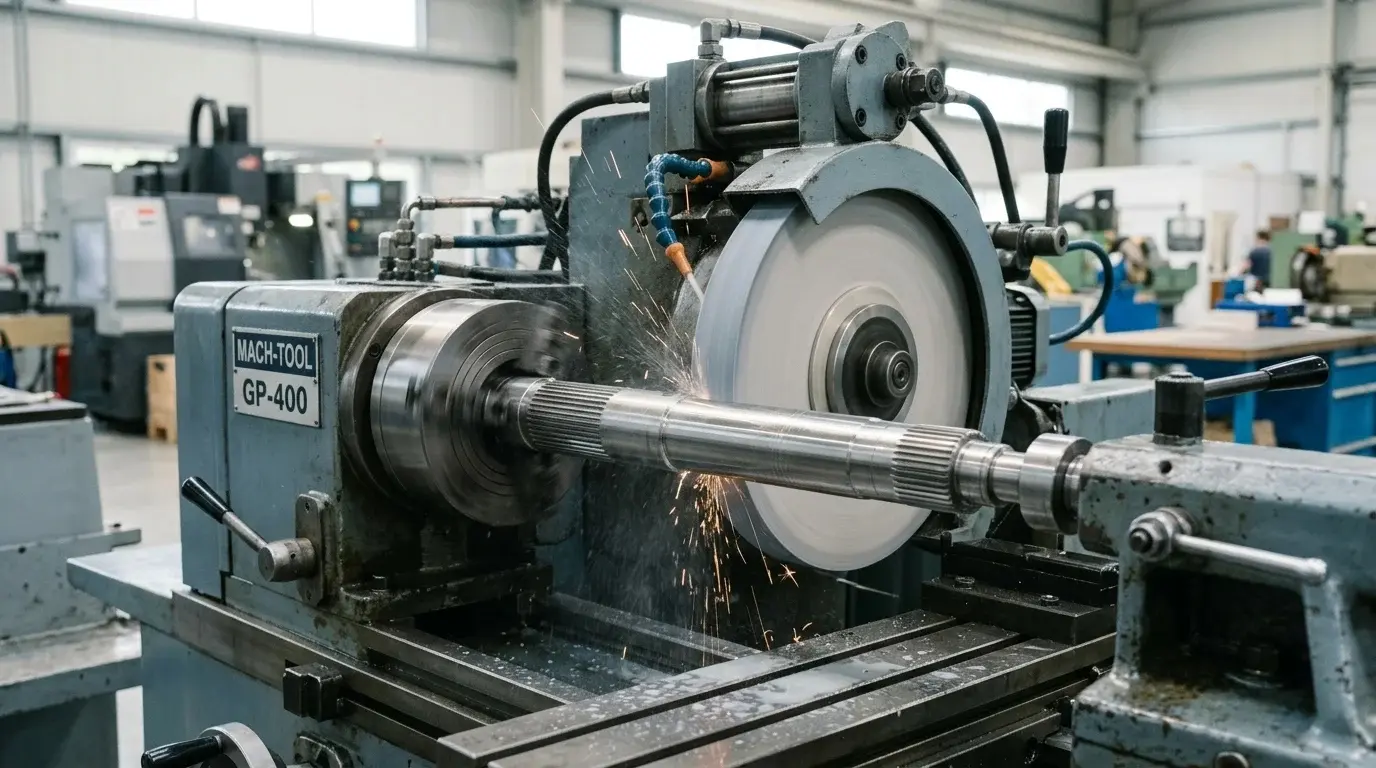
DingZhu Intelligent Equipment specializes in automated grinding and polishing solutions for metal components.
Our DZ Intelligent Wheel Grinding & Polishing System is designed to help automotive and aftermarket companies automate wheel finishing processes and establish a more efficient production workflow.
Instead of providing only a robot or an individual polishing machine, DZ can develop an integrated solution according to the customer's specific requirements.
The system can combine:
- Industrial robotic handling
- Grinding equipment
- Polishing equipment
- Customized fixtures
- Abrasive and polishing tools
- Robot programming
- Dust collection
- Safety protection
- Process development
- Installation and commissioning
The exact configuration can be customized according to wheel dimensions, materials, surface conditions, required finish, production capacity, and factory layout.
One-Stop Automation From Concept to Production
For an industrial customer, the most difficult part of automation is often not purchasing individual machines. It is making all components work together as one stable production system.
DingZhu provides a one-stop automation service, helping customers move from initial process evaluation to equipment integration and production commissioning.
Our team can work with customers to evaluate:
- What type of wheels need to be processed?
- What surface finish is required?
- How many wheels need to be processed per day?
- Which grinding and polishing operations should be automated?
- What fixtures and tooling are required?
- How should dust collection and safety protection be configured?
- How should the automated cell fit into the existing factory?
This approach allows the equipment solution to be designed around the customer's actual production requirements rather than forcing the customer to adapt to a standard machine.
Turning a Growing Aftermarket Into a Long-Term Business
The global automotive fleet will continue to generate demand long after vehicles leave the factory.
As vehicles become older, wheels will continue to experience wear and damage. At the same time, the growing popularity of alloy wheels and larger wheel sizes is creating more opportunities for professional restoration and refinishing.
For companies willing to invest in automation, this creates an opportunity to build a more efficient and scalable wheel refurbishment business.
The key is to move beyond traditional manual processing and develop a production system capable of handling increasing demand with consistent quality.
Wheel refurbishment is becoming more than a repair service. It is becoming an important part of the modern automotive aftermarket economy.
With the right technology, equipment, and production strategy, companies can turn damaged and used wheels into valuable refurbished products while reducing manual processing and improving operational efficiency.
Build Your Automated Wheel Finishing Business With DZ
DingZhu Intelligent Equipment provides customized robotic wheel grinding and polishing solutions for companies looking to improve their wheel finishing operations.
Whether you are establishing a new wheel refurbishment facility, upgrading an existing workshop, or looking for automated finishing equipment for wheel production, our team can provide a complete solution from process design and equipment integration to installation and technical support.
If you are exploring the business potential of automotive wheel refurbishment and want to build a professional automated production line, contact DZ Intelligent Equipment to discuss your application and requirements.