

Why Brass Faucets Remain a Smart Choice for Modern Faucet Manufacturing
When developing or sourcing a new faucet, material selection is one of the first decisions manufacturers need to make. Stainless steel has become increasingly popular because of its corrosion resistance and modern appearance. However, brass remains one of the most widely used materials for high-quality kitchen and bathroom faucets.
For faucet manufacturers, brass offers an important combination of castability, machinability, durability, surface-finishing flexibility and production efficiency. When combined with automated grinding and polishing technology, brass can provide an efficient manufacturing route for complex faucet bodies and large-volume production.
Why Is Brass Widely Used for Faucets?
Brass is primarily an alloy of copper and zinc. Its manufacturing characteristics make it particularly suitable for faucet bodies, valve components, connectors and other plumbing components.
One of the biggest advantages of brass is its ability to be formed into relatively complex shapes through casting. Faucet bodies often contain curved surfaces, internal waterways, mounting structures and multiple connection points. Casting allows manufacturers to produce these geometries efficiently before machining and surface finishing.
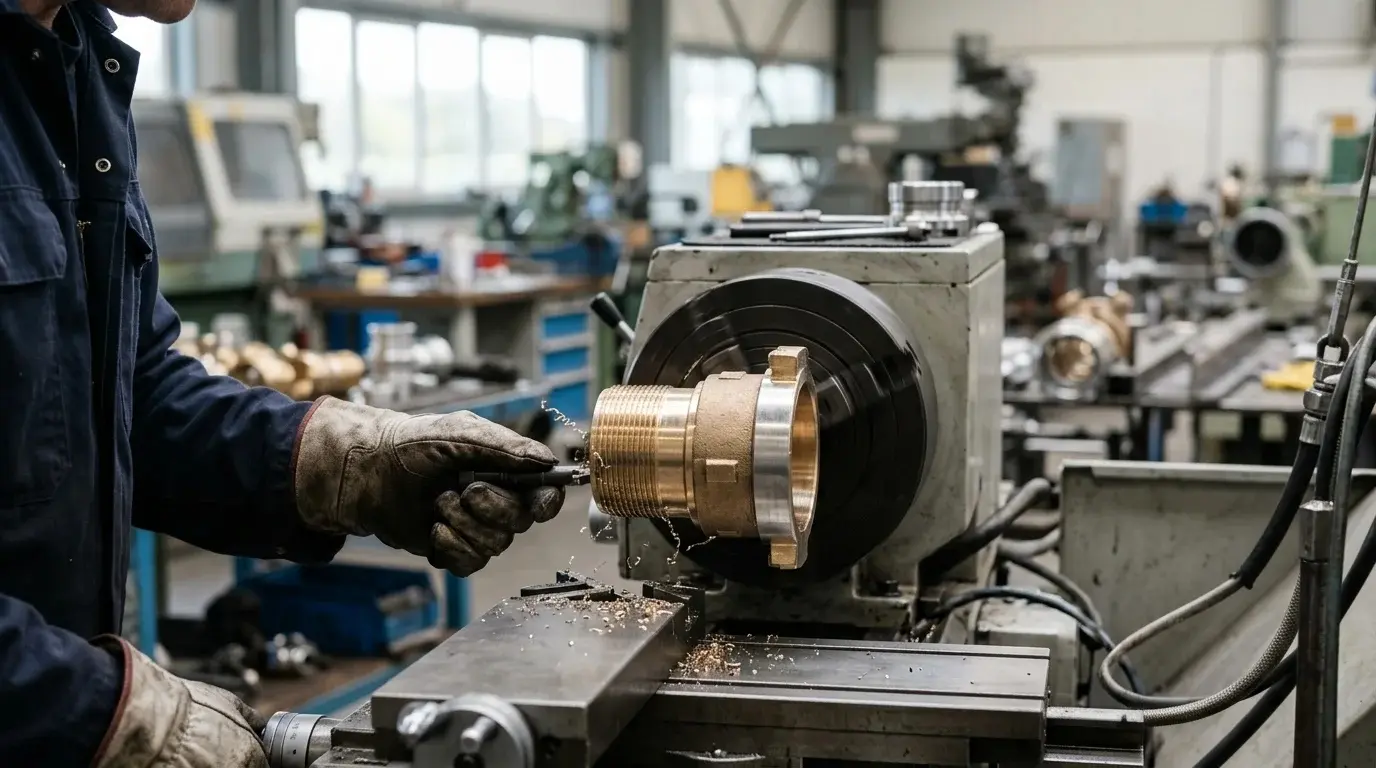
Brass is also comparatively easy to machine. Threads, holes, sealing surfaces and other precision features can be processed efficiently after casting. This is an important advantage for manufacturers producing faucets in medium or high volumes.
In addition, brass is highly compatible with different surface-finishing processes. Chrome plating, brushed finishes, matte finishes and various decorative coatings can all be applied to properly prepared brass surfaces.
For manufacturers offering multiple faucet designs and finishes, this flexibility can simplify production planning.
Brass vs. Stainless Steel Faucets: Which Material Is Better?
The answer depends on the application.
Stainless steel, particularly 304 and 316 grades, offers excellent corrosion resistance and has a natural metallic surface that does not depend on decorative plating. Stainless steel is also attractive for applications where lead-free material selection is a major purchasing requirement.
However, stainless steel is not automatically the best choice for every faucet manufacturing project.
Brass has several manufacturing advantages, particularly when the product requires:
- Complex cast shapes
- Extensive CNC machining
- Multiple decorative finishes
- Chrome or other plated surfaces
- Efficient high-volume production
- Automated grinding and polishing
The key consideration for manufacturers is therefore not simply the material price. It is the total manufacturing process.
A material that is easier to cast, machine and finish can have a significant impact on production efficiency, labor requirements and overall manufacturing cost.
1. Brass Offers Excellent Casting Performance
Faucet manufacturing often starts with the body.
For complex faucet designs, casting can produce the basic geometry before subsequent machining and finishing operations. Brass has long been used in plumbing applications because of its good casting characteristics.
This is particularly valuable for manufacturers producing different faucet models. Instead of machining the entire faucet body from a solid block, casting can create a near-net-shape component and leave machining operations for the areas where dimensional accuracy is required.
The result is a manufacturing process that can combine:
This integrated approach is one reason brass remains an important material in the faucet industry.
2. Brass Is Well Suited to Surface Finishing
For many faucet brands, appearance is not simply an aesthetic issue. It is part of the product's market positioning.
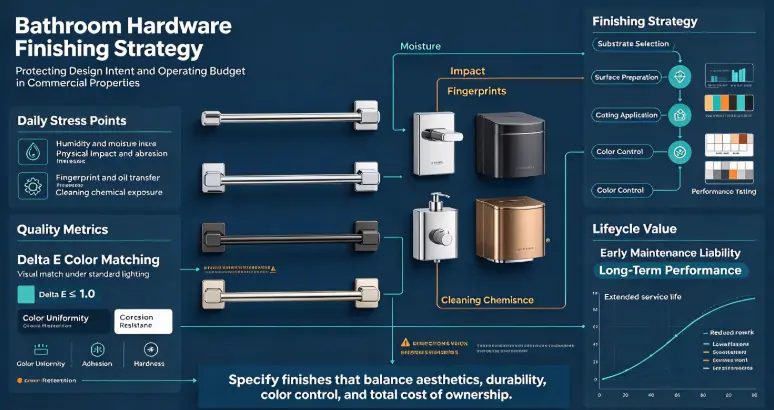
A faucet may need to achieve a bright chrome finish for a mainstream bathroom collection, a brushed finish for a modern kitchen range, or a premium decorative finish for a higher-end product line.
Brass provides a flexible substrate for many of these finishing processes.
However, the final appearance depends heavily on surface preparation.
Casting marks, flash, machining lines and small surface imperfections need to be removed before plating or other finishing processes. If the grinding and polishing process is inconsistent, even a high-quality faucet body may produce inconsistent final products.
This is where automation becomes increasingly important.
3. Automated Grinding and Polishing Can Improve Production Consistency
Traditional faucet polishing often relies heavily on skilled workers.
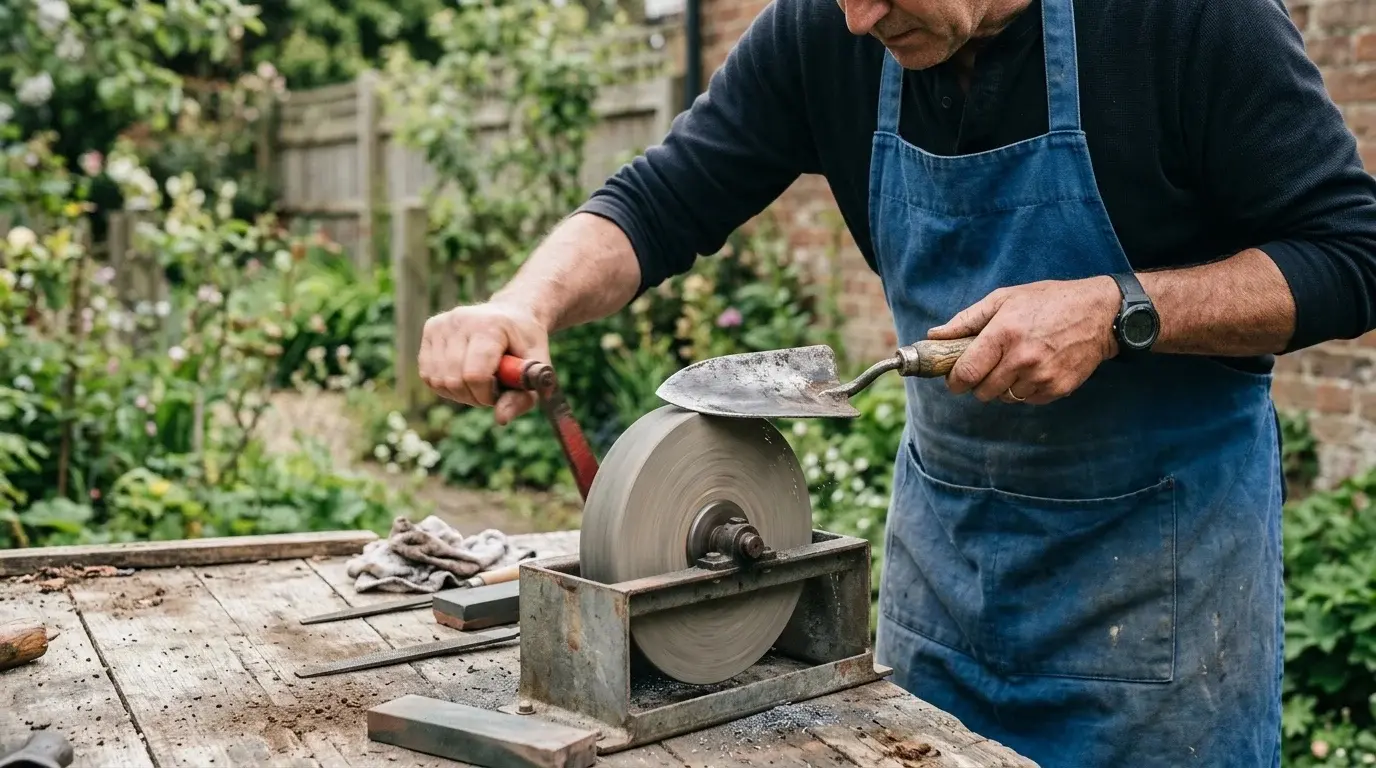
An operator manually controls the position of the faucet against abrasive belts or polishing wheels. The pressure, angle and processing time can vary from one operator to another.
This creates a common challenge for faucet manufacturers:
How can a factory maintain consistent surface quality while increasing production capacity?
Robotic grinding and polishing provides an answer.
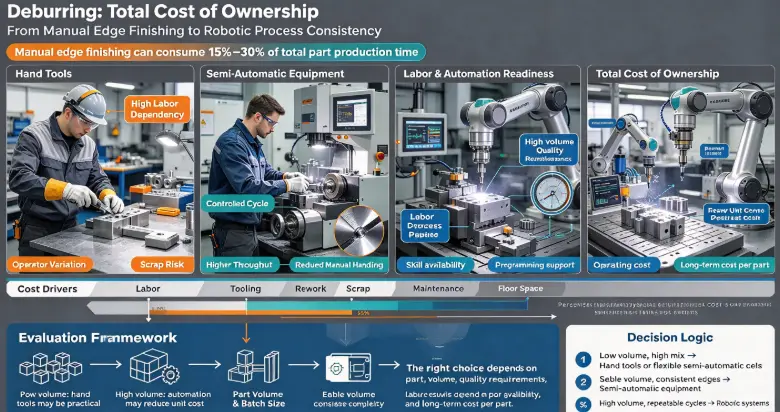
A robotic polishing cell can control the movement, working angle, pressure and processing sequence more consistently than manual operations. Once the process has been properly programmed and tested, the same polishing path can be repeated across large production batches.
For brass faucet manufacturers, this can help reduce dependence on manual polishing labor while improving production repeatability.
4. A Robotic Solution Is More Than Just Replacing Manual Labor
For a modern faucet factory, automation should not simply mean installing a robot.
The complete polishing process needs to be considered.
A typical automated brass faucet polishing solution may include:
Depending on the faucet design, different abrasive tools and polishing wheels can be selected for different stages of the process.
For manufacturers producing several faucet models, robotic systems can also be programmed for different product geometries.
This makes automation particularly attractive for factories that are gradually moving from labor-intensive production toward standardized manufacturing.
5. Brass Faucets Can Support Flexible Product Positioning
Another advantage of brass is its compatibility with different faucet designs.
A manufacturer can develop traditional bathroom faucets, contemporary basin mixers, kitchen faucets, commercial faucets and customized OEM products using different brass grades and manufacturing processes.
The same production system can also support different surface finishes.
This flexibility is important for brands and distributors that want to maintain several product lines without completely changing their manufacturing infrastructure.
Of course, the appropriate brass alloy must be selected according to the destination market, water conditions and applicable regulations. For drinking-water applications, manufacturers should also specify suitable low-lead or lead-free brass and verify the required compliance standards.
Material selection should always be based on the actual application rather than simply choosing the cheapest alloy.
6. From Brass Casting to Finished Faucet: A Complete Manufacturing Solution
For faucet manufacturers, the biggest production challenge is often not a single process. It is coordination between multiple processes.
Casting quality affects grinding.
Grinding quality affects polishing.
Polishing quality affects plating or other surface treatment.
Machining accuracy affects assembly.
This means that improving only one production stage may not deliver the expected improvement in the finished product.
A more effective approach is to consider the entire manufacturing chain.
For manufacturers looking to establish or upgrade a brass faucet production line, an integrated solution can include:
Brass Casting
The faucet body is produced according to the required design and material specification.
Trimming and Surface Preparation
Casting flash, gates and excess material are removed before further processing.
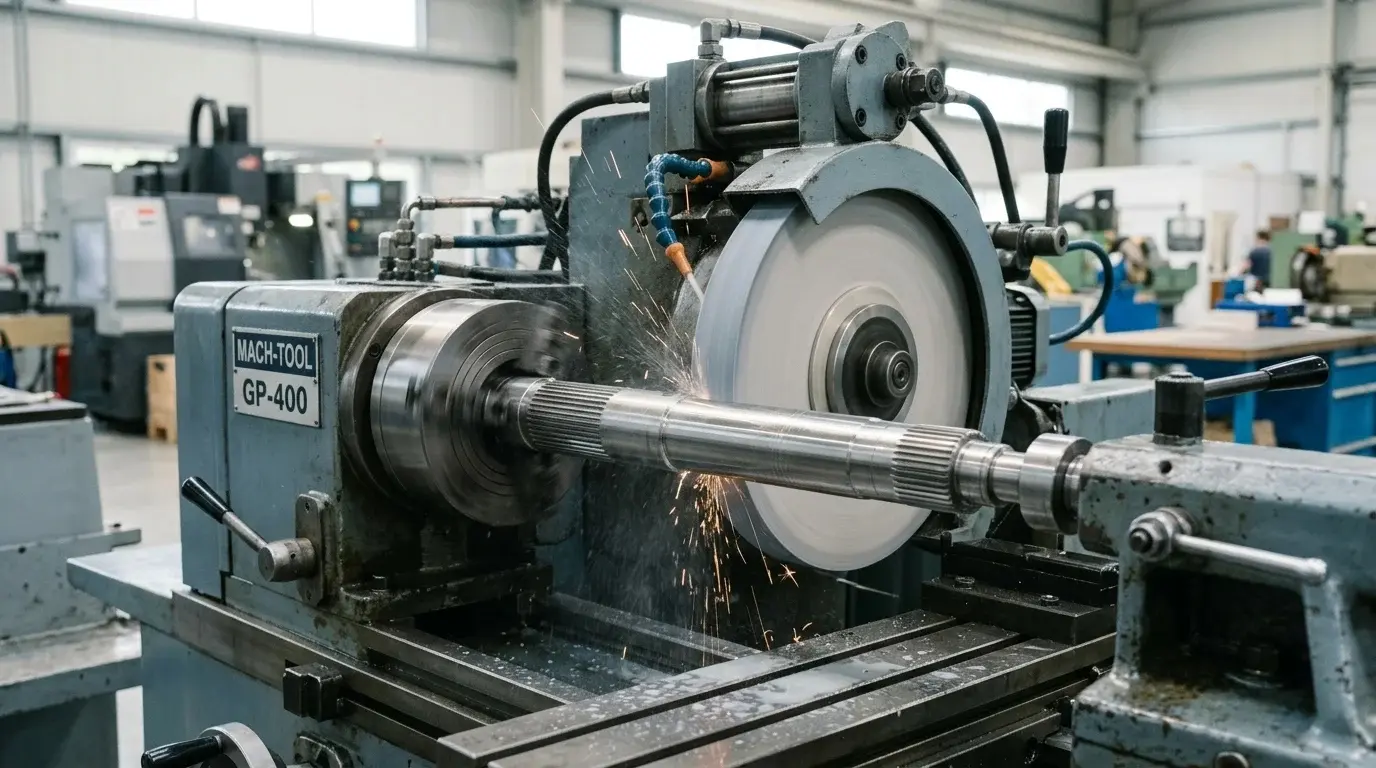
Robotic Grinding
Casting marks and unwanted surface material are removed automatically.
Robotic Polishing
The faucet body is progressively polished to achieve the required surface condition.
CNC Machining
Critical holes, threads, sealing surfaces and other precision areas are machined to the required dimensions.
Surface Treatment
The prepared faucet body can then proceed to chrome plating, PVD, painting or other specified finishing processes.
Assembly and Testing
The completed faucet is assembled and tested according to the customer's requirements.
This type of production architecture gives manufacturers greater control over quality, production efficiency and long-term capacity.
DZ Intelligent Manufacturing: From Casting to Robotic Polishing
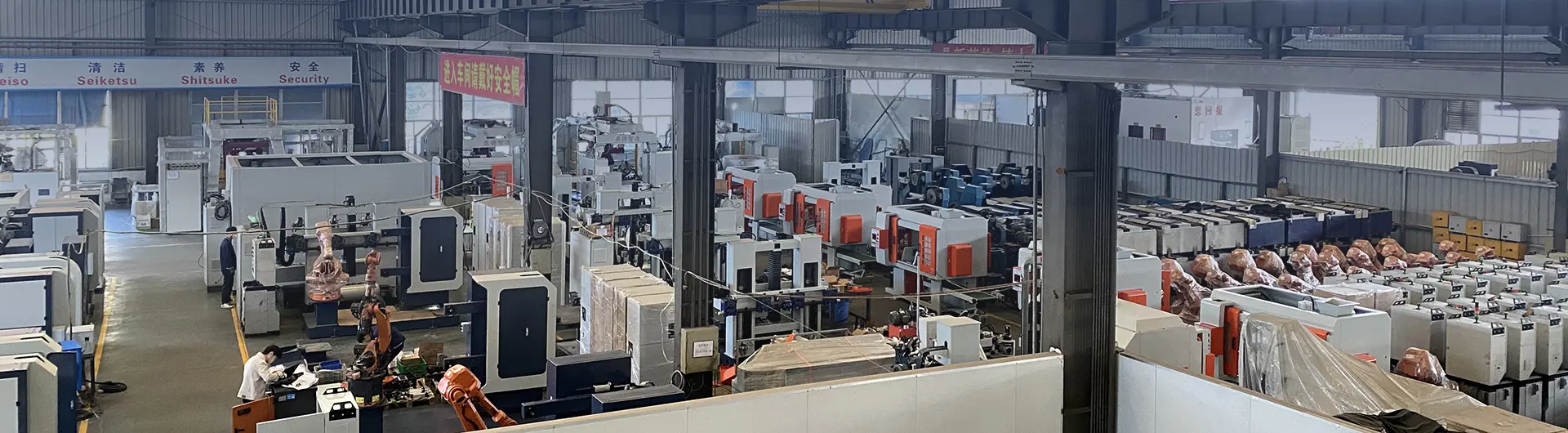
At Xiamen DingZhu Intelligent Equipment Co., Ltd., we focus on automation solutions for metal grinding and polishing, while also providing equipment and technical support for faucet manufacturing applications.
For brass faucet manufacturers, our solutions can be designed around the actual product geometry and production requirements rather than using a one-size-fits-all polishing system.
Our robotic grinding and polishing solutions can be applied to faucet bodies and other sanitary ware components, helping manufacturers automate repetitive surface-finishing operations and improve production consistency.
For factories planning a new faucet production line or upgrading an existing facility, we can also provide a more complete manufacturing solution covering brass casting, grinding, polishing and related production processes.
The objective is simple: connect the individual manufacturing processes into a more efficient production system.
Why Choose Automation for Brass Faucet Production?
For a growing faucet manufacturer, automation can provide several long-term advantages:
- More consistent surface quality
- Reduced dependence on manual polishing
- Improved production repeatability
- Higher potential production capacity
- Easier process standardization
- Better integration with modern factory production
- Greater flexibility for different faucet models
The most important benefit, however, is process stability.
A skilled polishing worker can produce excellent results. The challenge is reproducing those results consistently across thousands of components.
Robotics makes it possible to convert individual operator experience into a repeatable manufacturing process.
Conclusion
Stainless steel has clear advantages in applications where corrosion resistance, natural surface finish and lead-free material selection are the primary priorities. However, brass remains an extremely practical material for many faucet manufacturers because of its excellent castability, machinability and surface-finishing flexibility.
For manufacturers producing complex faucet bodies, the combination of brass casting + CNC machining + robotic grinding + robotic polishing can create an efficient and scalable production process.
The future of faucet manufacturing is not simply about choosing brass or stainless steel.
It is about choosing the right material and building the right manufacturing system around it.
If you are planning to manufacture brass faucets, upgrade an existing polishing line, or develop a complete faucet production solution, DingZhu Intelligent Manufacturing can provide robotic grinding and polishing solutions together with technical support for brass faucet casting and production processes.
Contact us to discuss your faucet design, production capacity and automation requirements.