
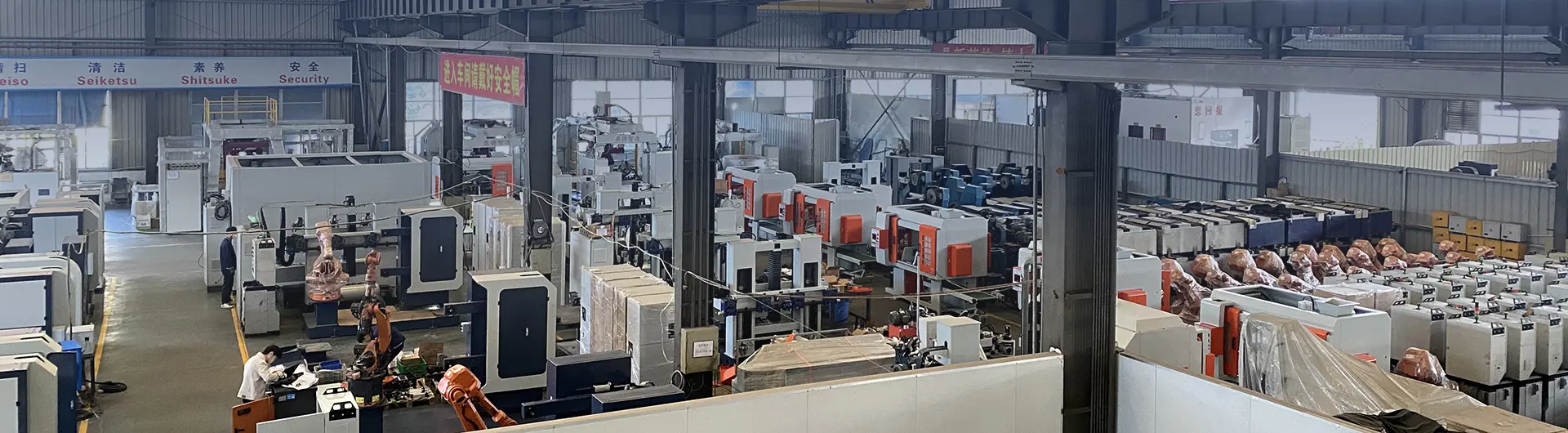
Industry
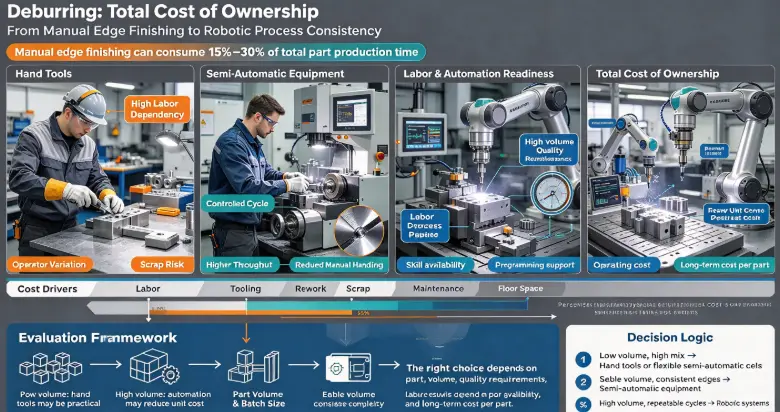
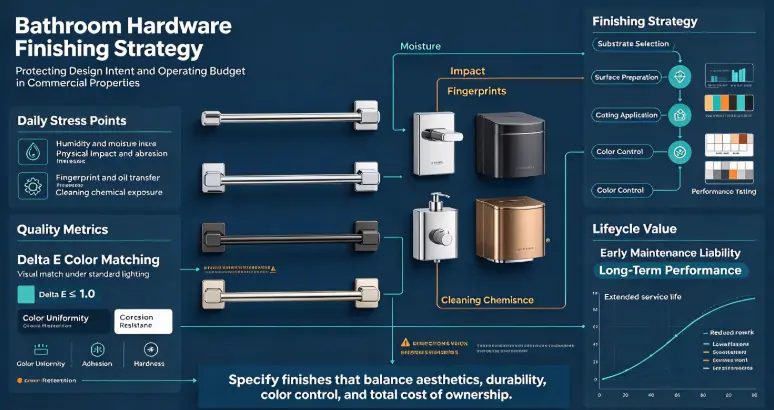
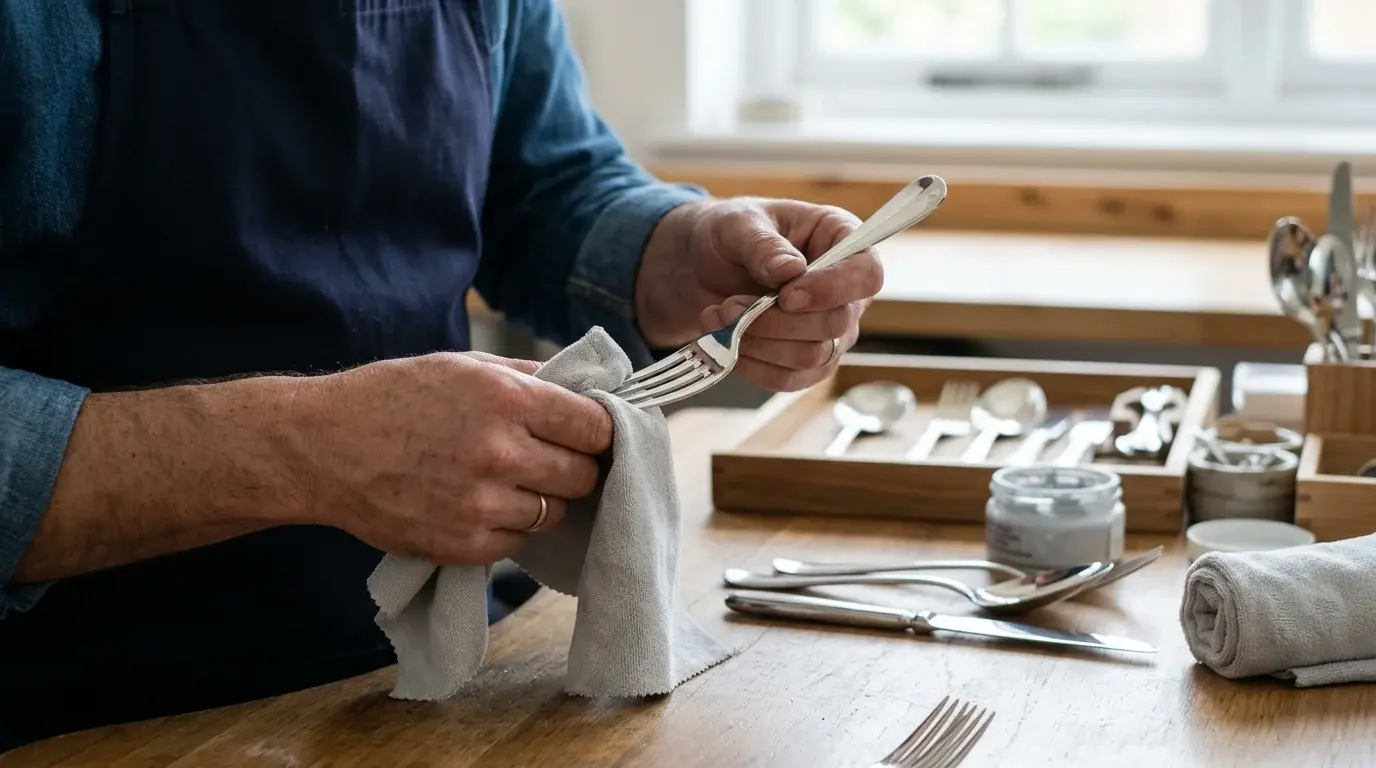

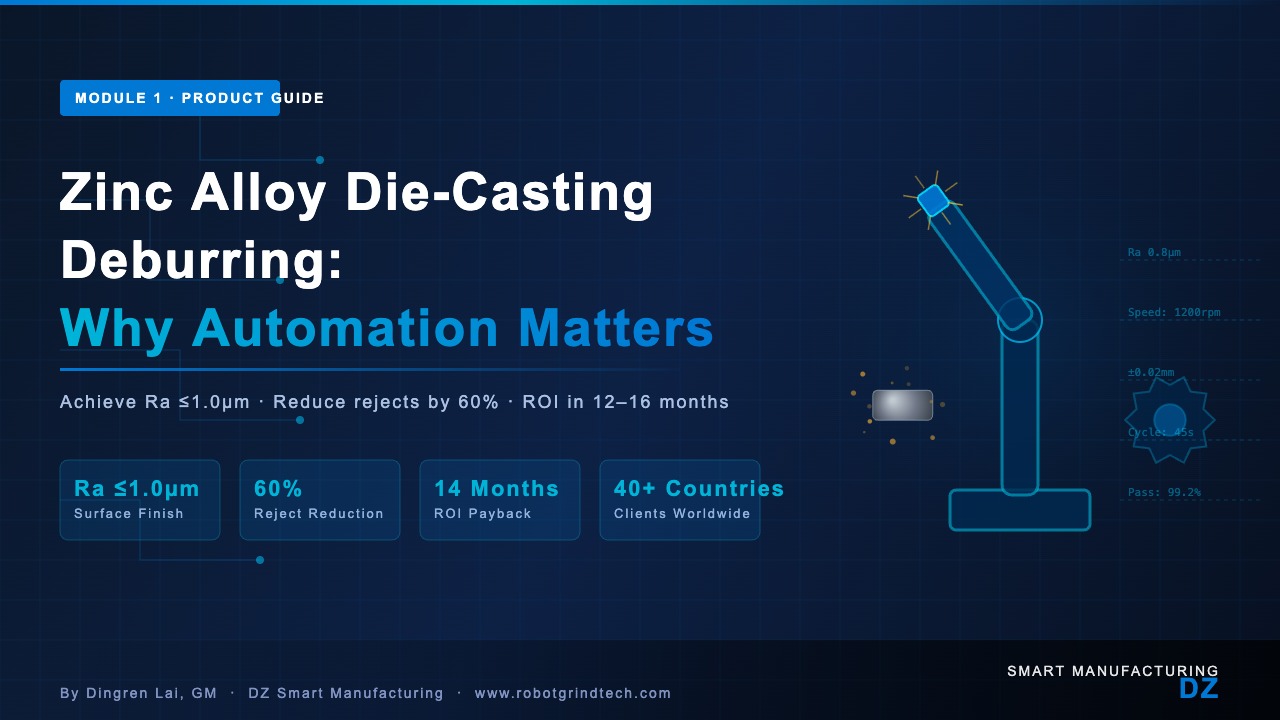
Zinc Alloy Die-Casting Deburring: Why Automation Matters
Zinc alloy die casting is one of the world's most widely used manufacturing processes — from door handles and lock bodies to automotive trim and electronic housings. But every die-cast part shares a common challenge: burrs and flash left behind by parting line separation. These sharp protrusions must be removed before downstream processes like electroplating, powder coating, or assembly.
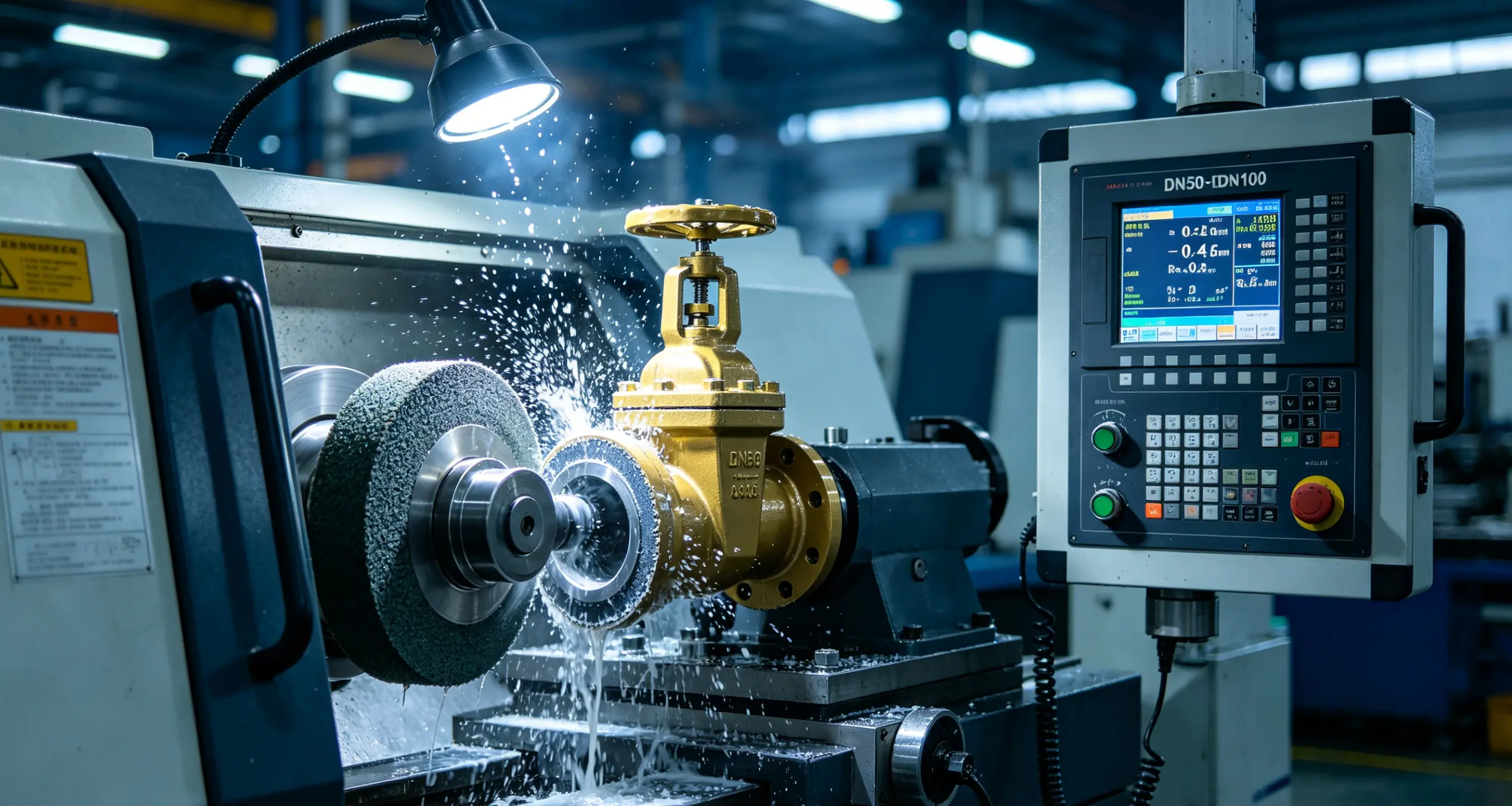
Automatic Valve Grinding Machine: Precision for Every Angle
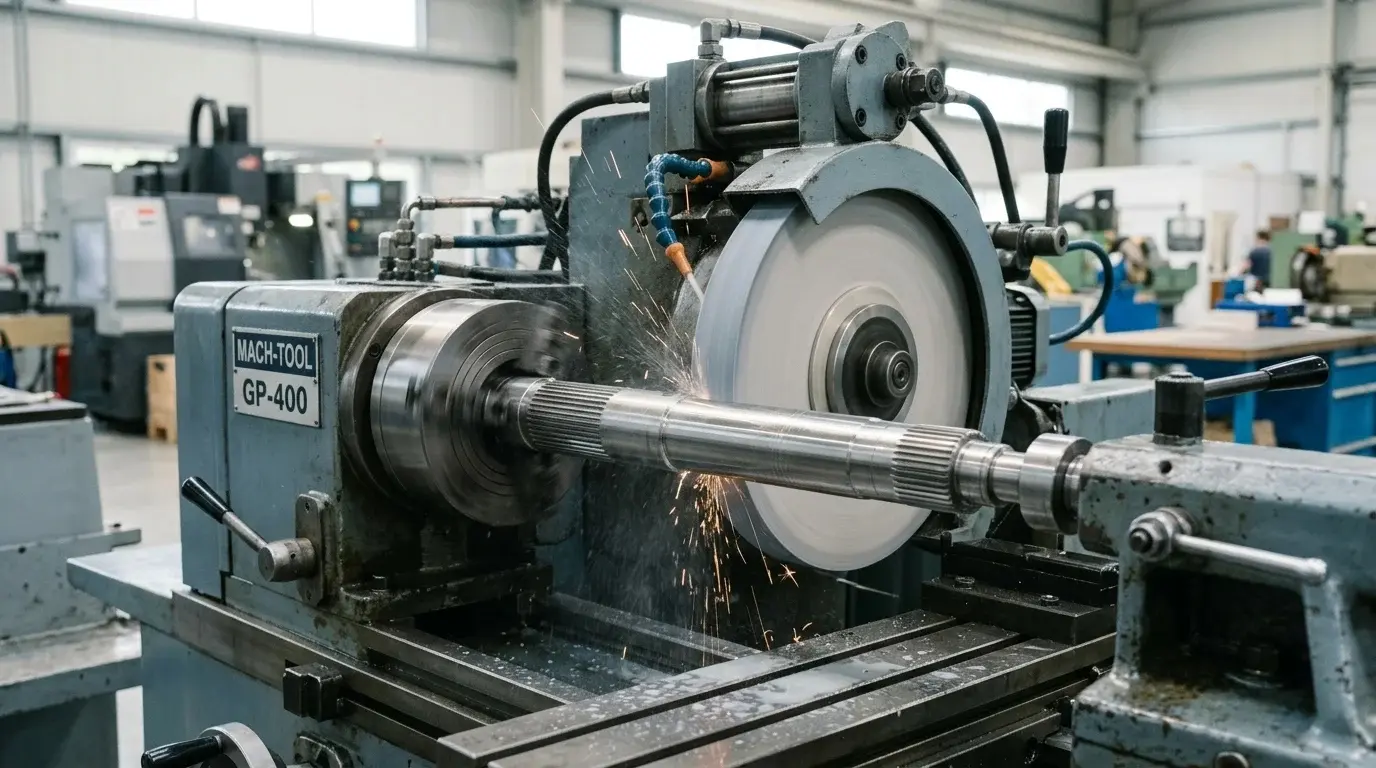
An automatic valve grinding machine is a specialized CNC-controlled surface finishing system designed to grind, lap, and polish the critical sealing surfaces of industrial valves. Unlike general-purpose grinding machines, these systems are engineered specifically for the geometry of valve seats, gates, discs, and ball surfaces — where even a 2-micron surface imperfection can cause leaks, premature wear, or complete valve failure.
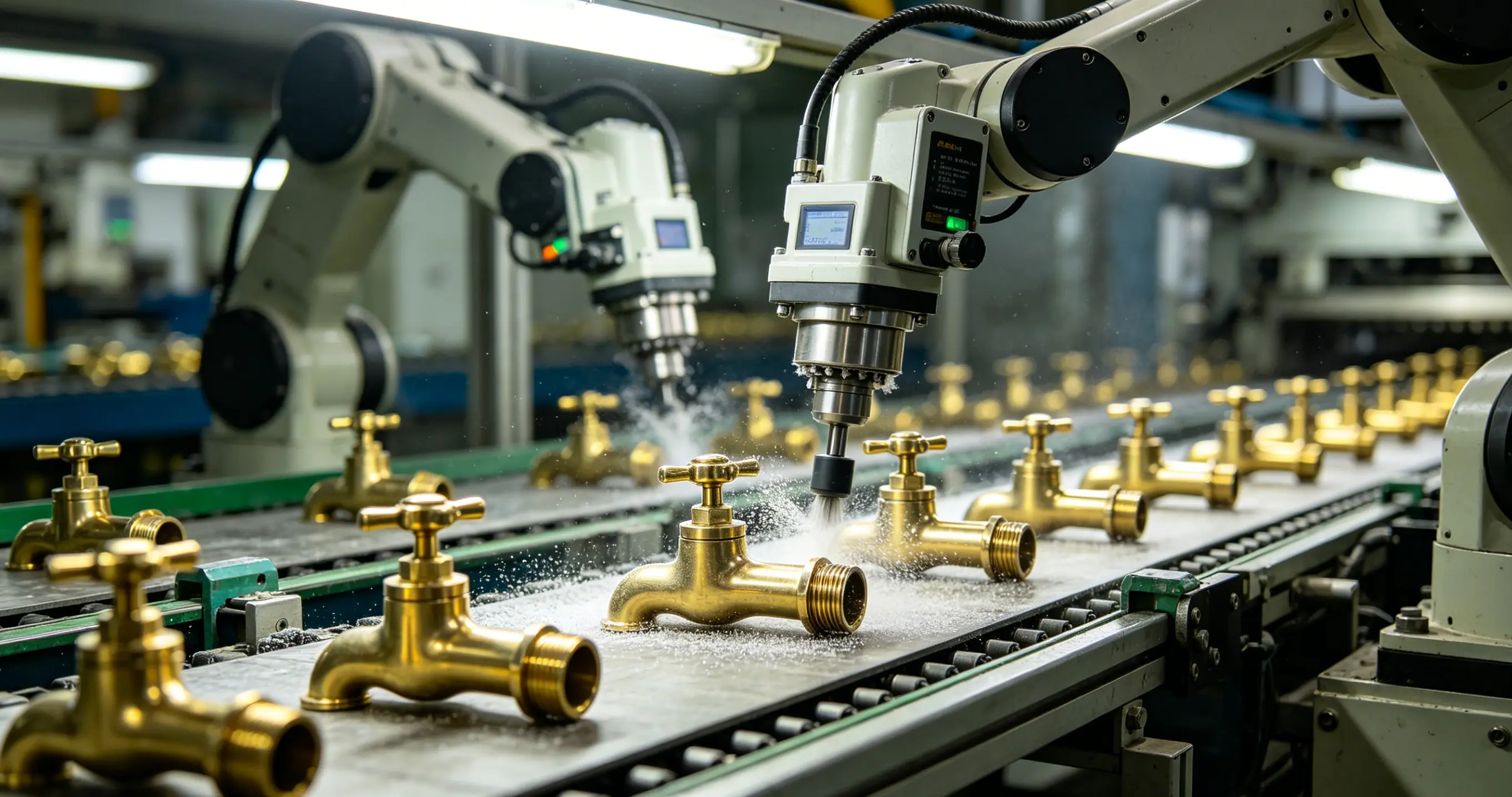
Brass Faucet Deburring Solution: From Casting to Ready-to-Install
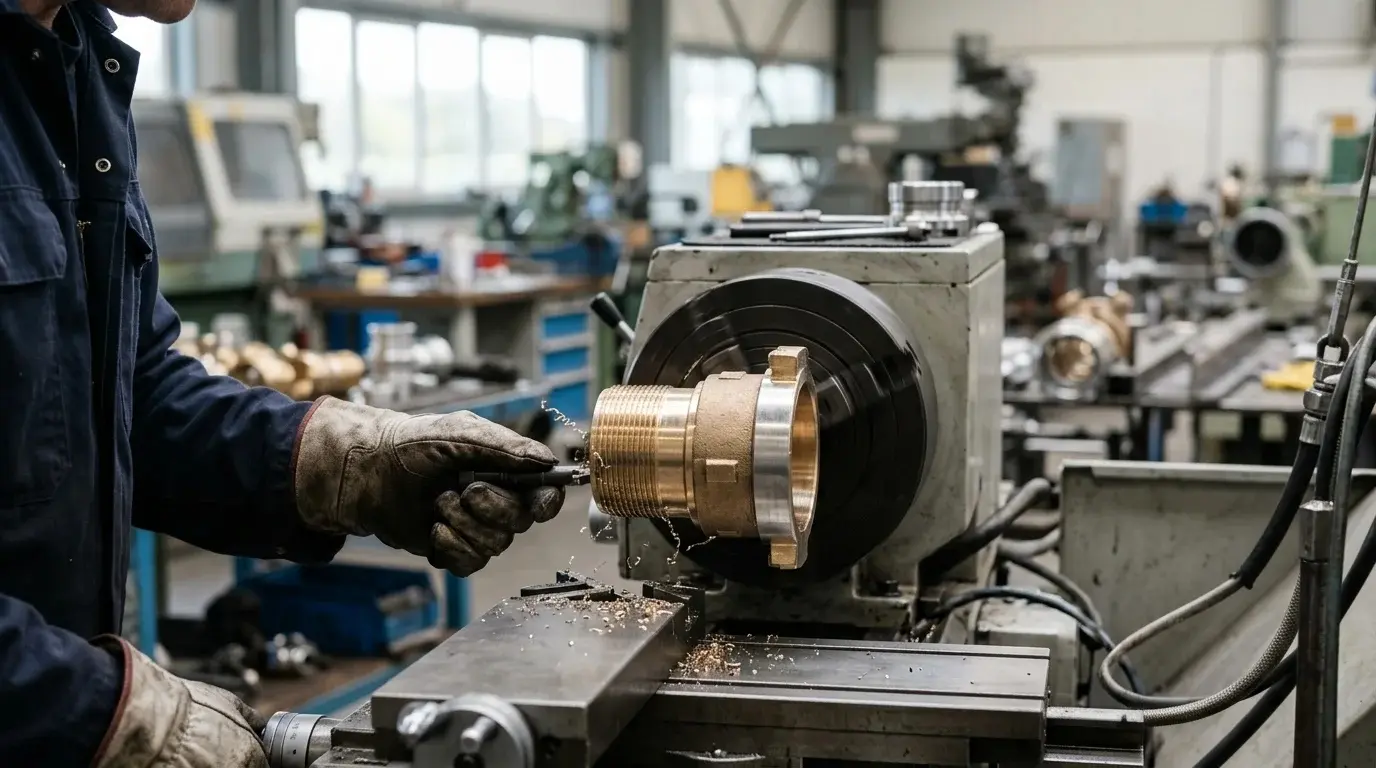
A brass faucet deburring solution is an integrated automated system that removes burrs, flash, parting lines, and surface imperfections from cast brass faucet bodies — transforming rough sand-cast or gravity-cast components into clean, dimensionally accurate, ready-to-install finished parts. Unlike generic deburring equipment, faucet-specific solutions address the unique challenges of brass plumbing fixtures: complex internal waterways, threaded connections, curved spout profiles, and the demanding surface finish requirements of visible bath hardware.
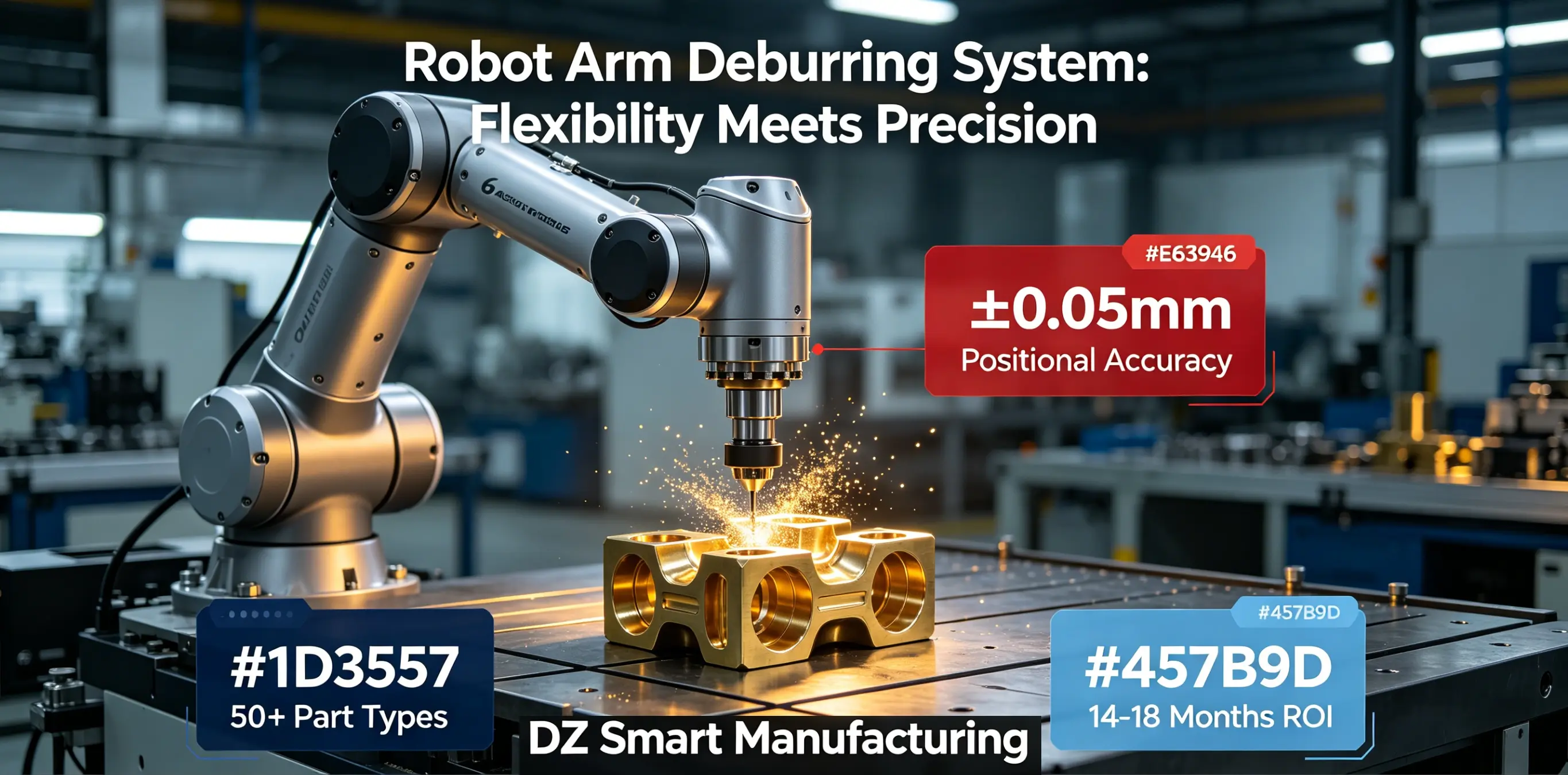
Robot Arm Deburring System: Flexibility Meets Precision
A robot arm deburring system combines a multi-axis industrial robotic arm with specialized deburring tools and intelligent programming to automatically remove burrs, flash, and excess material from machined or cast parts. Unlike fixed(fixed automation deburring machines), robot arm systems offer unprecedented flexibility to handle diverse part geometries without mechanical retooling.
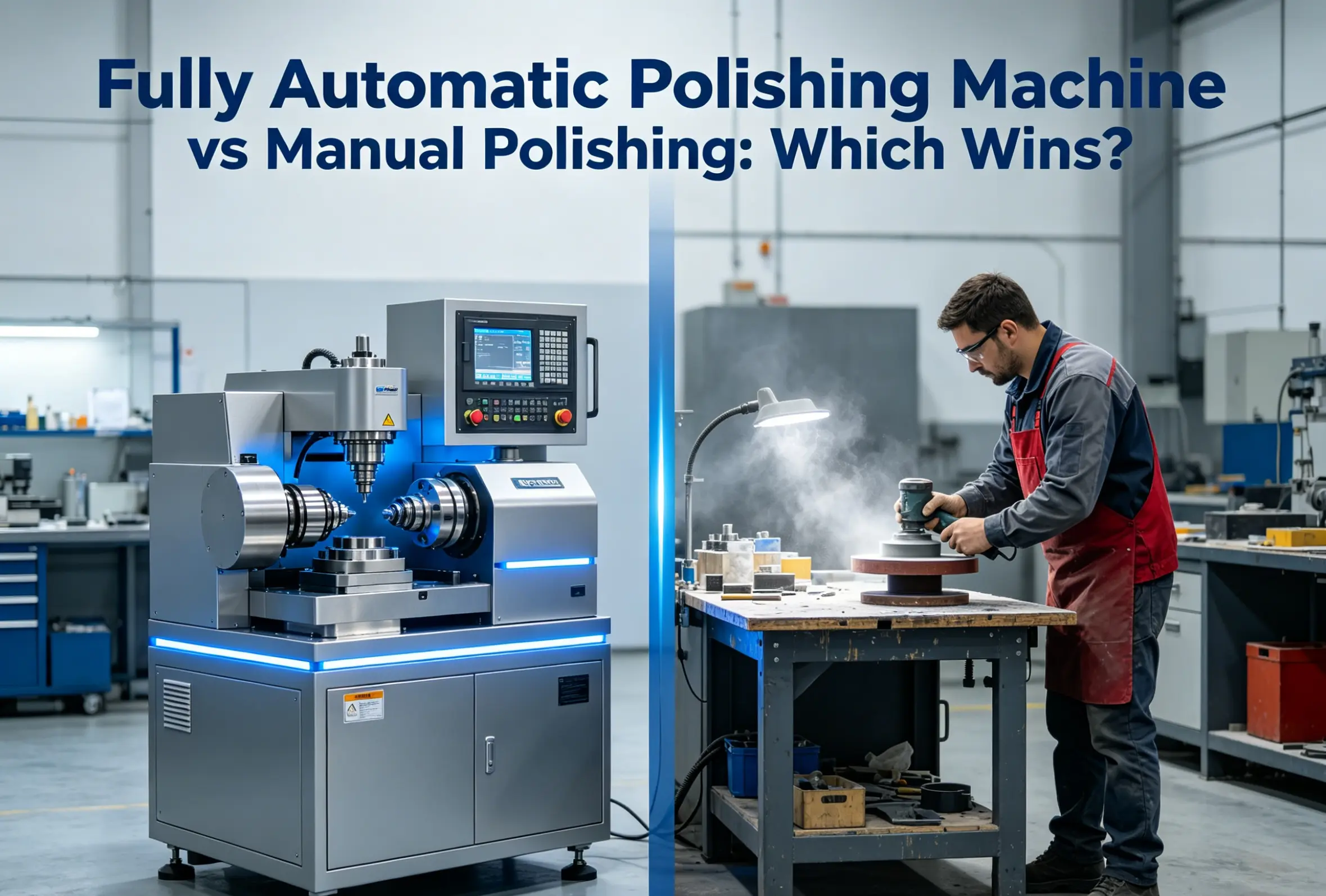
Fully Automatic Polishing Machine vs Manual Polishing: Which Wins?
You have 25 polishing workers. Three quit last month. Two more are threatening to leave. Your overseas buyer just sent an email: "Next shipment rejected — Ra 2.8, spec is Ra 1.6. Fix it or we cancel the order."