News

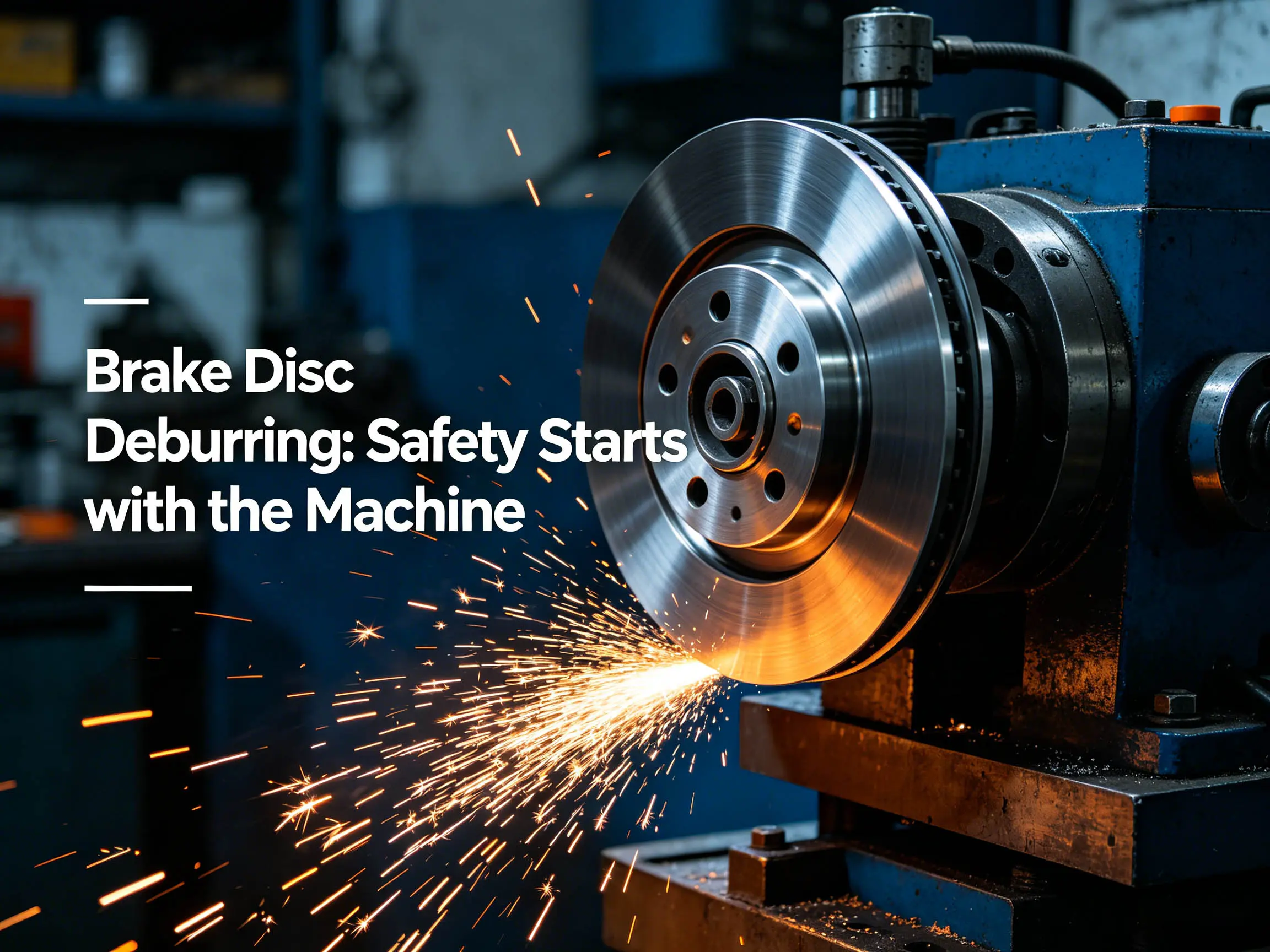
Brake Disc Deburring: Safety Starts with the Machine
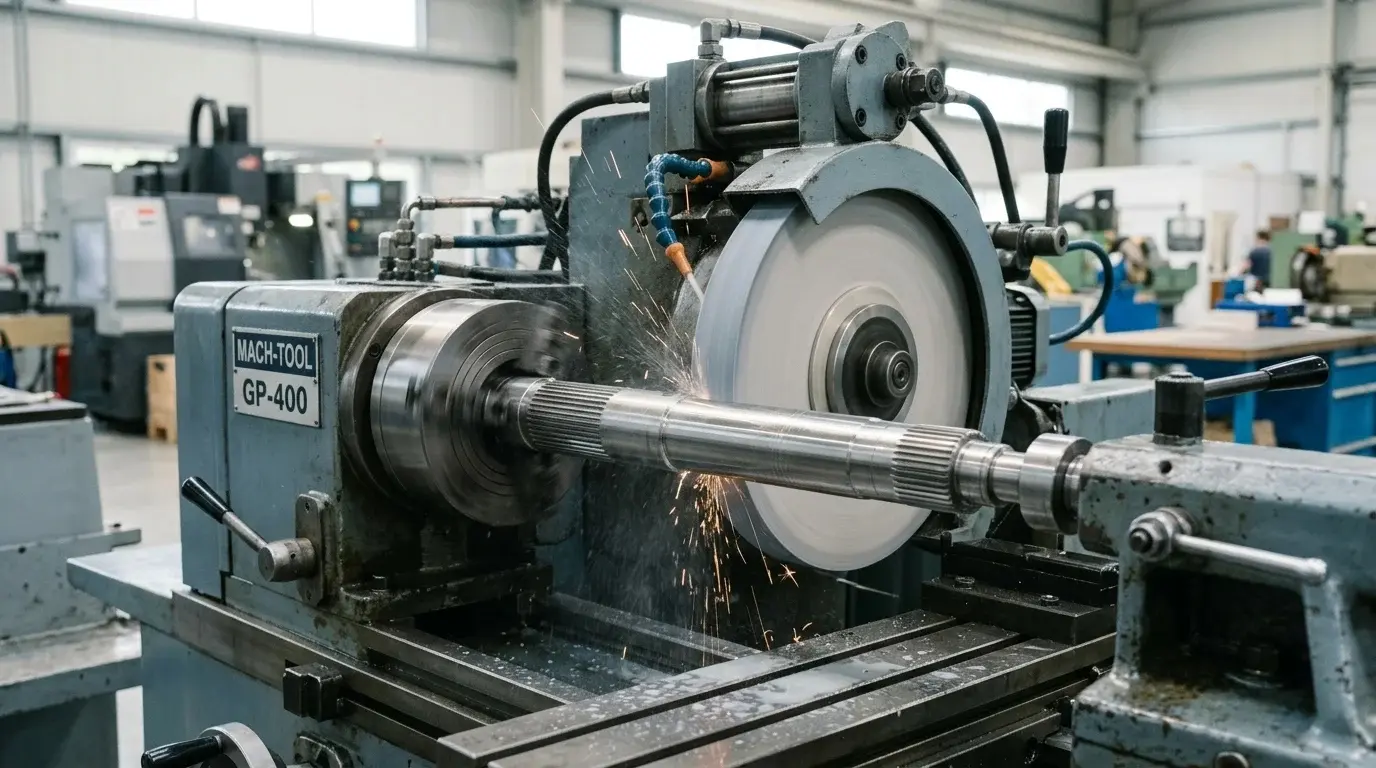
Brake disc deburring explained: how automated deburring ensures DTV ≤0.005mm, eliminates vibration, and meets ECE R90 / IATF 16949 standards for OEM brake parts.
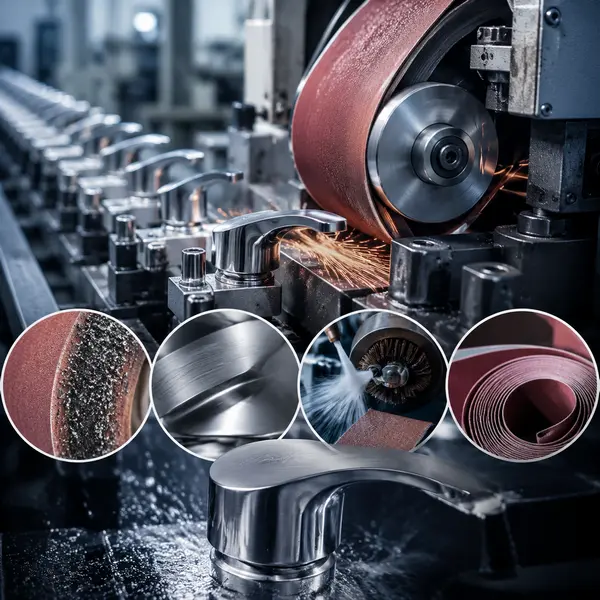
Full-Lifecycle Abrasive Belt Management: How Consumables Determine Grinding Quality
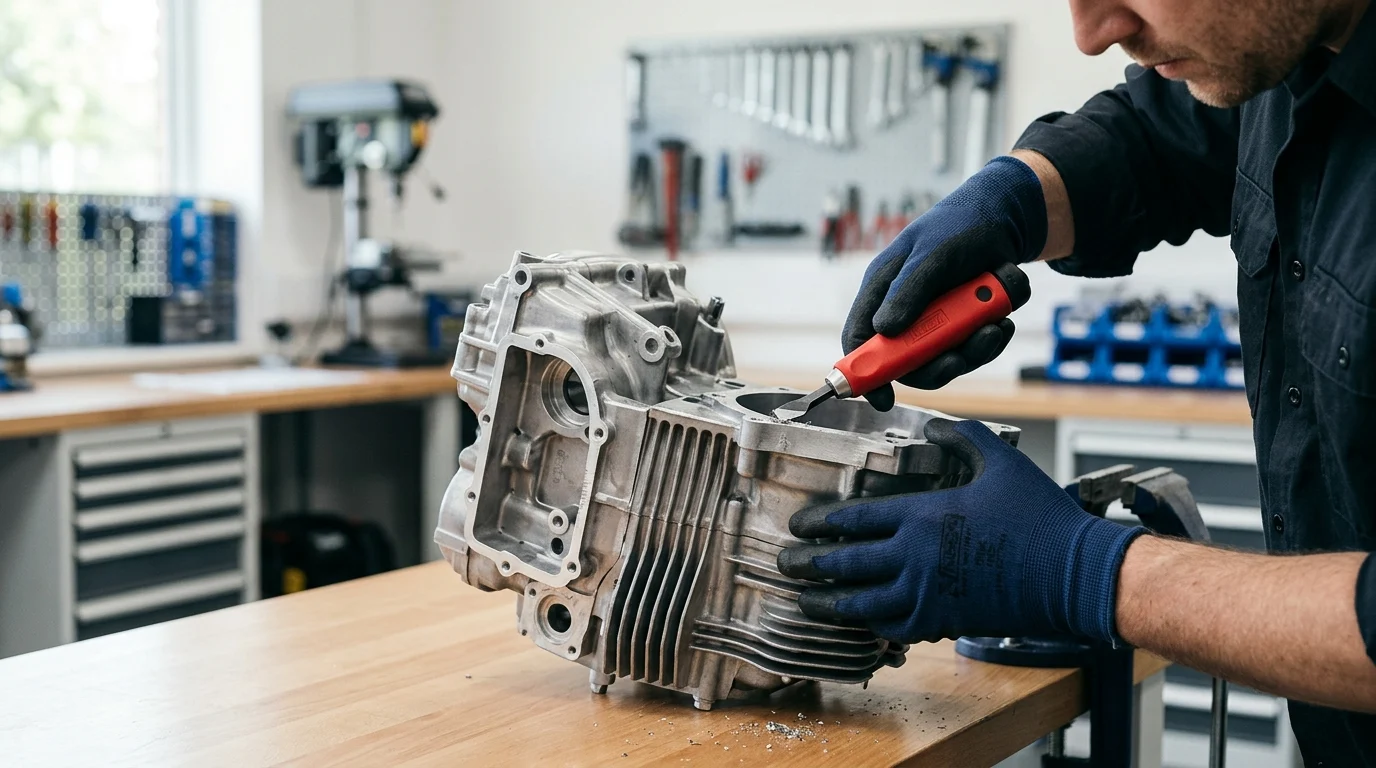
Motorcycle Parts Deburring: Engine Components Done Right
A motorcycle engine leaves little room for finishing errors: at 10,000–14,000 RPM, a microscopic burr can become a flow restriction, a fatigue crack starter, or a loose particle capable of damaging bearings and cylinder walls. Deburring engine components is therefore a precision reliability process, not a final-touch cosmetic operation. This article examines how burrs, flash, sharp edges, and EDM recast layers affect lubrication, airflow, fatigue strength, and service life. It also outlines practical edge-control expectations—such as typical 0.1–0.3 mm edge breaks—and explains why consistent, repeatable deburring is essential for high-performance motorcycle parts.

Door Handle Polishing Solution: Consistent Quality at Scale
In high-volume architectural hardware production, the difference between a profitable batch and a costly rework cycle often starts at the polishing station. Door handles made from zinc die castings, forged brass, or machined stainless steel must be leveled, refined, and measured before plating or PVD can deliver a premium appearance. Even small inconsistencies in surface preparation can raise rejection rates, delay shipments, and expose defects that coatings cannot hide. This article explains how manufacturers can build a scalable polishing process using defined roughness targets, gloss measurements, dimensional controls, and repeatable automation practices to achieve consistent cosmetic quality without sacrificing throughput.